Proper washer maintenance goes far beyond cleaning the lint trap or running occasional cleaning cycles. One of the most overlooked yet crucial aspects of washer care involves ensuring your machine sits level and stable. According to appliance experts at Future Life Network, this simple step can dramatically impact your washer’s performance and longevity.
When washers operate on uneven surfaces, they experience excessive vibration, unbalanced loads, and premature wear on critical components. Additionally, understanding how long should a washer and dryer last helps homeowners make informed decisions about maintenance investments versus replacement costs. Most quality washers should provide 10-15 years of reliable service when properly maintained and leveled.
However, many homeowners unknowingly shorten their appliance’s lifespan by neglecting this fundamental setup requirement. Therefore, learning proper leveling techniques represents one of the most cost-effective ways to protect your investment and ensure optimal washing performance for years to come.
Why Leveling Your Washer Matters
Unlevel washers create a cascade of problems that extend far beyond simple annoyance. When your machine rocks or vibrates excessively during operation, internal components experience unnecessary stress and wear. The drum bearings, suspension system, and motor mounts all work harder to compensate for the instability.
Furthermore, an unlevel washer cannot properly distribute water and detergent throughout the load. This uneven distribution leads to poor cleaning performance, requiring additional wash cycles that waste energy and water. Additionally, clothes may emerge with soap residue or cleaning inconsistencies that necessitate rewashing.
The financial implications extend beyond energy costs. Excessive vibration can damage flooring, particularly hardwood or laminate surfaces. Moreover, the constant movement can cause water connections to loosen, potentially leading to leaks and water damage. These secondary damages often cost significantly more than the washer itself.
Signs Your Washer Needs Leveling
Recognizing the symptoms of an unlevel washer allows for prompt correction before serious damage occurs. The most obvious indicator involves excessive movement or “walking” during the spin cycle. Your washer should remain stationary throughout all cycles, with only minimal vibration during high-speed spinning.
Unusual noises during operation often signal leveling issues. Banging, thumping, or grinding sounds typically indicate that internal components are struggling against an unstable foundation. Additionally, these sounds may worsen over time as the problem compounds.
Water pooling around the base suggests that your washer cannot drain properly due to improper positioning. However, this symptom might also indicate other issues, so thorough inspection becomes necessary. Therefore, combining visual inspection with performance monitoring provides the most accurate diagnosis.
Tools and Materials Needed
Before beginning the leveling process, gather the necessary tools to ensure efficient completion. Most leveling projects require only basic household tools that many homeowners already possess.
A standard bubble level represents the most critical tool for this project. Choose a level that measures at least 24 inches long for accurate readings across the washer’s width. Additionally, you will need adjustable wrenches or pliers to manipulate the leveling feet.
Some washers feature plastic leveling feet that require hand adjustment rather than tools. However, metal feet typically need wrenches for proper positioning. Furthermore, having a flashlight or headlamp improves visibility when working in tight spaces behind or under the appliance.
Step-by-Step Leveling Process
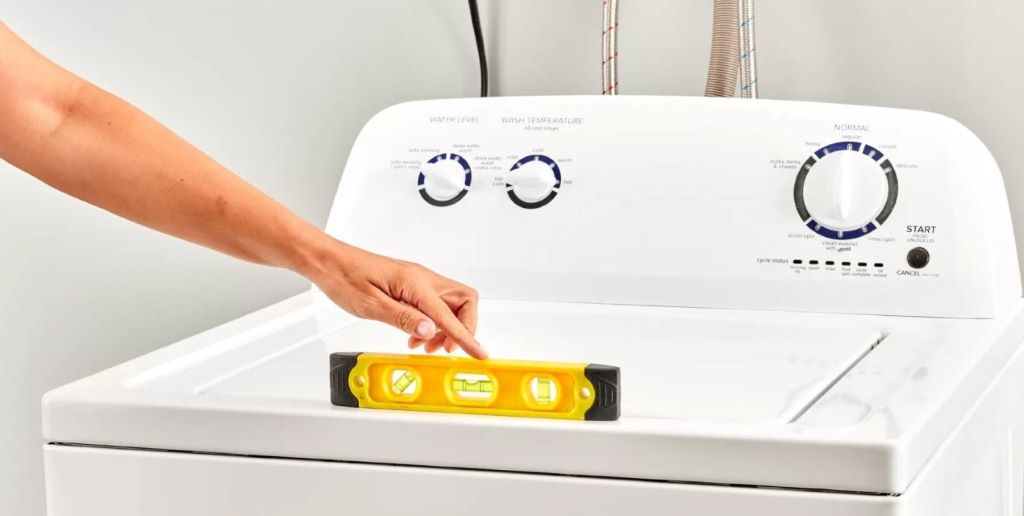
Begin by ensuring the washer is empty and disconnected from power for safety. Position the level on top of the washer, running it from front to back first, then side to side. Take note of which direction the bubble moves to determine the adjustment needed.
Most washers feature four adjustable feet at each corner. Start with the front feet, as these are typically easier to access. Turn the feet clockwise to raise that corner or counterclockwise to lower it. Make small adjustments, checking the level frequently to avoid overcorrection.
After adjusting the front feet, move to the rear corners. These may require tilting the washer slightly or using a flashlight for better visibility. Additionally, some models feature locking nuts that secure the feet in position once properly adjusted. Tighten these nuts to prevent future movement.
Front-to-Back Leveling
Place your level running from the front of the washer to the back, centering it on the machine. The bubble should rest perfectly between the center lines when the washer is properly leveled in this direction. Most washers tend to tip slightly forward due to the weight distribution of the drum and motor assembly.
Adjust the rear feet to correct front-to-back imbalance. Raising the rear feet will bring the bubble toward center if the washer tips forward. However, make gradual adjustments to avoid creating new problems in the opposite direction.
Test the adjustment by gently pushing down on each corner of the washer. The machine should feel solid and stable without any rocking motion. Additionally, repeat the level check to confirm your adjustments achieved the desired result.
Side-to-Side Leveling
Position the level across the washer’s width, typically from left to right when facing the front panel. This measurement often proves more challenging because many laundry rooms have sloped floors for drainage purposes.
Adjust the feet on the low side by extending them until the bubble centers between the level’s guidelines. Therefore, if the left side appears low, extend the left feet rather than retracting the right ones. This approach maintains the proper height relationship with surrounding appliances.
Double-check your work by testing both directions again. Sometimes adjusting one direction affects the perpendicular measurement. Additionally, ensure that all four feet maintain firm contact with the floor without any gaps or wobbling.
Testing and Fine-Tuning
Once you believe the washer is properly leveled, conduct a comprehensive test to verify your work. Load the washer with a typical-sized load of laundry and run a complete wash cycle. Monitor the machine carefully throughout all phases of operation.
During the fill cycle, listen for unusual water flow sounds that might indicate continued imbalance. The wash cycle should operate smoothly without excessive movement or noise. However, the spin cycle provides the most rigorous test of your leveling efforts.
Pay particular attention to the final spin phase when the drum reaches maximum speed. A properly leveled washer should remain virtually motionless during this phase. Additionally, the spin should complete without the machine attempting to redistribute the load multiple times.

Common Mistakes to Avoid
Many homeowners make critical errors that compromise their leveling efforts. Using inadequate tools, particularly short levels, leads to inaccurate measurements and poor results. Always use a level that spans most of the washer’s width or depth for reliable readings.
Overtightening adjustable feet can strip threads or crack mounting points, creating expensive repair situations. Make gradual adjustments and test frequently rather than making large corrections all at once. Additionally, failing to check level in both directions often results in solving one problem while creating another.
Ignoring manufacturer specifications represents another common mistake. Some washers require specific height ranges or have maximum extension limits for the leveling feet. Therefore, consult your owner’s manual before beginning the leveling process to understand any unique requirements.
Maintenance and Monitoring
Leveling your washer is not a one-time task that can be forgotten indefinitely. Regular monitoring ensures continued optimal performance and helps identify developing problems before they cause damage.
Check your washer’s level every six months or whenever you notice changes in operation. Moving the appliance for cleaning or maintenance can disturb the careful adjustments you have made. Additionally, settling foundations or shifting flooring can gradually affect the level over time.
Keep your level easily accessible for quick checks. A properly maintained washer that remains level will reward you with years of reliable service and superior cleaning performance. Furthermore, this simple maintenance task prevents the majority of premature failures that plague improperly installed machines.
Professional Installation Considerations
While leveling a washer falls within most homeowners’ capabilities, certain situations warrant professional assistance. Extremely uneven floors may require shimming or platform installation that exceeds typical DIY comfort levels.
New appliance installations often include leveling services, and taking advantage of these services ensures proper setup from the beginning. Professional installers possess specialized tools and experience that can address challenging installation situations. Moreover, professional installation often includes warranty protections that DIY installation might void.
However, understanding the leveling process helps you evaluate professional work and maintain your appliance properly over time. Additionally, basic leveling knowledge proves valuable when troubleshooting performance issues or preparing for service calls.
Conclusion
Proper washer leveling represents one of the most impactful yet underutilized maintenance practices available to homeowners. This simple procedure dramatically extends appliance life, improves cleaning performance, and prevents costly secondary damage to your home.
The investment of time and effort required for proper leveling pays dividends through reduced energy costs, fewer repairs, and extended appliance lifespan. Additionally, the improved performance and reduced noise create a more pleasant laundry experience for your entire household.
Regular monitoring and maintenance of your washer’s level ensures continued optimal performance. Therefore, make leveling checks part of your routine home maintenance schedule alongside other seasonal tasks. Your washer, your clothes, and your budget will thank you for this simple yet crucial attention to detail.
Frequently Asked Questions
Q: How often should I check if my washer is level? A: Check your washer’s level every six months or whenever you notice unusual vibration, noise, or movement during operation. Additionally, recheck after moving the appliance for any reason.
Q: Can I use books or wood blocks instead of adjusting the leveling feet? A: Never use makeshift materials to level your washer. Proper leveling feet distribute weight evenly and provide stable support. Books or blocks can compress, shift, or fail, creating dangerous situations and voiding warranties.
Q: What happens if I cannot get my washer perfectly level? A: Aim for the bubble to rest within the center guidelines of your level. Slight variations are acceptable, but significant imbalance will cause problems. If your floor is extremely uneven, consider professional installation or floor modifications.
Q: Should both my washer and dryer be leveled? A: Yes, both appliances benefit from proper leveling. However, washers require more precise leveling due to the spinning action and water movement. Dryers are generally more forgiving but still perform better when properly positioned.
Q: Will leveling my washer void the warranty? A: Proper leveling using manufacturer-provided adjustment feet will not void your warranty. In fact, most warranties require proper installation and leveling. However, using unauthorized modification methods or damaging the feet during adjustment might affect warranty coverage.
Read More:
Corded vs Cordless Stick Vacuums: Which One’s Right for You?