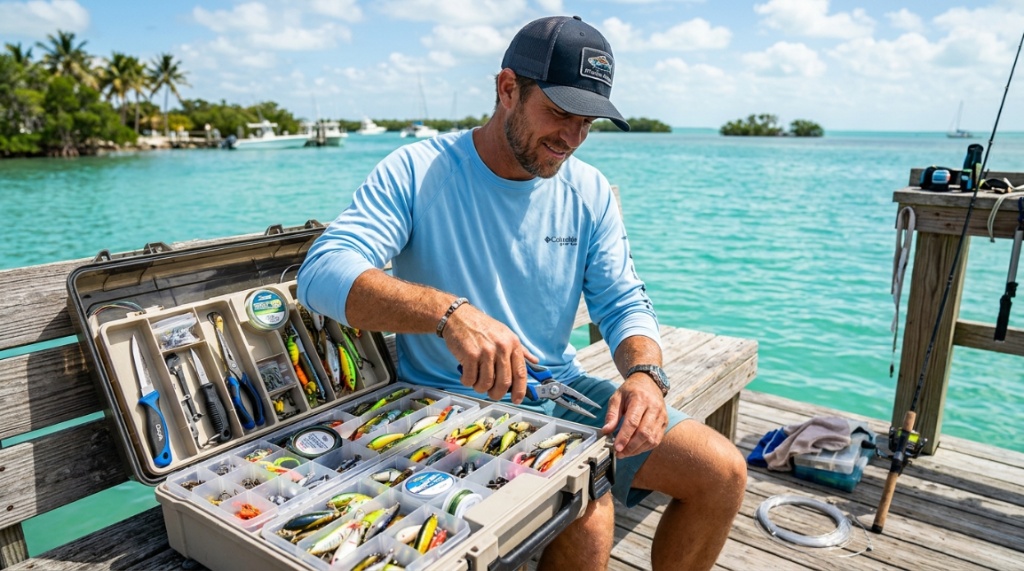
Fishing in Florida is a completely different animal than fishing anywhere else in the country. Between the relentless salt spray, the intense subtropical sun, and the sheer variety of species you might hook—from snook in the mangroves to grouper on deep wrecks—your gear takes a beating. If you’ve ever opened a tackle bag to find a rusted pair of pliers or a corroded knife, you already know the frustration. The solution isn’t just buying any set of tools; it’s finding the best fishing tool kit in Florida for your specific style of angling. This guide breaks down exactly what to look for, what to avoid, and how to build a kit that survives the unique demands of the Sunshine State.
Why Florida’s Environment Demands Specialized Tools
Florida’s saltwater environment is notoriously brutal on equipment. The combination of high humidity, warm temperatures, and saline water creates the perfect storm for corrosion. Tools that work fine on a freshwater lake in Ohio will often disintegrate within months—or even weeks—on a Florida flats boat.
Beyond corrosion, the types of fish you target require specific tools. A 10-pound snook has a mouth full of sharp gill plates, while a redfish is tough and heavy. You need tools that can handle the physical stress of fighting large, powerful fish without failing at the moment of truth. When you are searching for the best fishing tool kit in Florida, you are really looking for a kit that prioritizes corrosion resistance, durability, and accessibility above all else.
Essential Components of a Florida-Ready Kit
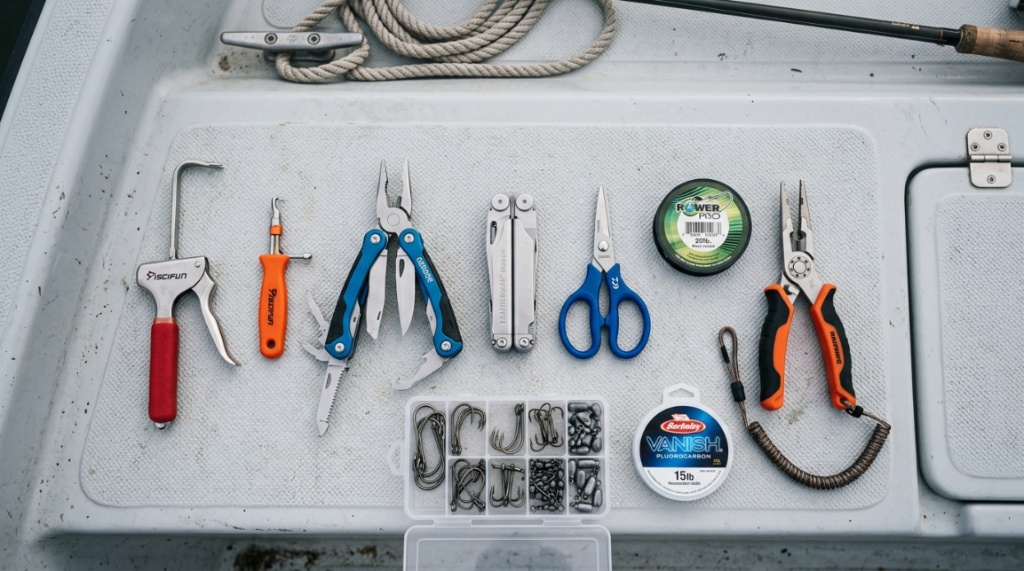
Not every kit on the market is suitable for the rigors of Florida fishing. Many “all-in-one” kits are filled with cheap, chrome-plated tools that will rust after one trip. A proper kit should contain specific items that serve distinct purposes.
Corrosion-Resistant Pliers
This is the most critical item in your kit. You need pliers that can handle saltwater exposure. Look for tools made from titanium or coated stainless steel. Avoid standard carbon steel. The pliers should have a strong cutting edge capable of snipping through heavy monofilament or fluorocarbon line, and ideally braided line as well. Split-ring strength is also vital, especially if you fish for bass or panfish in freshwater, but in saltwater, you need the jaws to open wide enough to handle large hooks.
Quality Line Cutters
While pliers can cut line, a dedicated set of line cutters is faster and more precise. In Florida, you often need to retie quickly when a fish breaks you off on structure. Look for cutters with a curved blade that fits flush against the hook eye. Many high-end cutters are made from tungsten carbide, which stays sharp for years.
Hook Removers and Dehookers
Florida has strict regulations regarding the handling of certain species, particularly snook and tarpon. Using a dehooking tool minimizes damage to the fish, increasing its survival rate after release. A good hook remover allows you to extract deep hooks without pulling the fish out of the water or causing unnecessary harm.
Fillet Knife with Sheath
If you plan to keep fish for dinner, a sharp fillet knife is essential. The knife should have a flexible blade for working around rib bones and a non-slip handle. The sheath is critical for safety and to protect the blade from the corrosive salt air when not in use.
Material Matters: Titanium vs. Coated Steel
When comparing kits, the material of the tools is the single biggest factor in longevity. There is a significant trade-off between cost and performance.
Titanium is the gold standard for saltwater. It is naturally corrosion-proof, meaning it doesn’t rely on a coating that can wear off. Titanium tools are lightweight and incredibly strong. However, they are expensive. If you fish every weekend, the investment is worth it.
Coated Stainless Steel is a more budget-friendly option. These tools use a corrosion-resistant coating (like Teflon or a specialized polymer) over a stainless steel base. The problem is that the coating can chip or scratch, exposing the metal underneath to saltwater. Once that happens, rust begins to form. If you choose coated steel, inspect the tools regularly for chips.
Portability and Storage Considerations
How you carry your tools matters just as much as the tools themselves. In Florida, you are often moving between the beach, a kayak, or a boat. Your kit needs to be portable and accessible. Before heading out on the water, make sure your footwear is up to the task by learning Fishing Footwear Mistakes Before Your Next Trip.
Belt Holsters vs. Tackle Bags
For surf fishing or wading, a belt holster is invaluable. It keeps your pliers and cutters within arm’s reach while your hands are busy holding a rod. For boat fishing, a tackle bag with dedicated tool slots is better. It keeps everything organized and prevents tools from sliding around and getting lost.
Consider a kit that includes a lanyard or a floating case. Dropping a pair of pliers overboard is a common occurrence. A floating case or a tool with a lanyard can save you from losing expensive equipment.
Comparing Popular Kit Types
To help you decide, here is a comparison of the common types of kits available, focusing on their suitability for Florida conditions.
| Kit Type | Best For | Pros | Cons |
|---|---|---|---|
| Basic Steel Kit | Occasional freshwater or dock fishing | Cheap, readily available | Rusts quickly in saltwater; low durability |
| Coated Stainless Kit | Inshore bay fishing | Good balance of cost and durability | Coating can chip; requires rinsing |
| Premium Titanium Kit | Offshore, flats, and frequent anglers | Virtually rust-proof; lightweight; strong | Expensive |
| Compact Travel Kit | Kayak fishing and wading | Small, lightweight, easy to store | May lack leverage for large fish |
Common Mistakes to Avoid When Buying
Many anglers make the mistake of buying the cheapest kit they can find, only to replace it within a year. Here are the most common pitfalls to avoid:
- Ignoring the Cutting Edge: A pair of pliers with a dull cutter is useless. You will struggle to cut through braided line, which is essential for flipping lures.
- Choosing Plastic Hinges: Some budget pliers use plastic or composite hinges. These break under the pressure of a large fish. Always ensure the pivot point is metal.
- Forgetting the Split Ring Tool: If you change lures often, a split-ring tool is a lifesaver. It saves your fingernails and speeds up the process.
- Not Rinsing Gear: Even with the best kit, you should rinse your tools with fresh water after every saltwater trip. This removes salt crystals that can cause wear and tear over time.
How to Maintain Your Kit for Longevity
Even the best fishing tool kit in Florida will fail if you don’t maintain it. The salt air is relentless, but a simple routine can extend the life of your tools significantly.
First, always rinse your tools with fresh water immediately after returning from the water. Use a hose or a bucket of tap water. Pay special attention to the hinges and cutting edges where salt tends to accumulate.
Second, dry the tools thoroughly. Leaving them wet in a closed tackle bag creates a humid environment that promotes corrosion. Lay them out on a towel to air dry before storing them.
Finally, apply a light coat of corrosion inhibitor, such as a silicone spray or a specialized reel oil, to the metal parts. This adds a protective barrier against moisture. This is especially important for the cutting edges of your pliers and knives.
Frequently Asked Questions
Can I use freshwater fishing tools in Florida saltwater?
You can, but they will not last long. Standard freshwater tools are typically made from uncoated steel or cheap alloys that rust rapidly in saltwater. It is worth investing in saltwater-specific tools to avoid having to replace them constantly.
What is the most important tool in a saltwater kit?
Corrosion-resistant pliers are the most important tool. They are used for hook removal, cutting line, and crimping weights. Without a reliable pair of pliers, you will struggle with almost every aspect of fishing.
Are titanium pliers worth the extra cost?
Yes, for serious anglers. Titanium pliers are guaranteed not to rust, which means they will last for many years. They are also lighter than steel, which reduces fatigue when wearing them on a belt all day. If you fish more than a few times a month, the cost is justified.
How often should I replace my fishing tools?
It depends on the material and maintenance. A well-maintained titanium kit can last a lifetime. Coated steel kits may last 1-3 years with proper care. If you notice rust or the cutting edges becoming dull, it is time to replace them.
Do I need a separate knife for filleting and cutting line?
Yes. A fillet knife is designed for precision cutting of flesh and bones. Using it to cut braided line will dull the blade quickly. A dedicated pair of line cutters or the cutter on your pliers is better for line.
Conclusion
Choosing the right tools is an investment in your success and safety on the water. The unique saltwater environment in Florida demands that you prioritize corrosion resistance and durability over cost. Whether you opt for a premium titanium set or a reliable coated steel kit, the key is to ensure it contains the essential components: pliers, cutters, and a knife. Remember to maintain your gear by rinsing and drying it after every trip. By focusing on quality materials and proper care, you can ensure your tackle is always ready for the next big catch. Take your time, assess your specific fishing style, and choose a kit that will stand up to the Florida sun and salt.