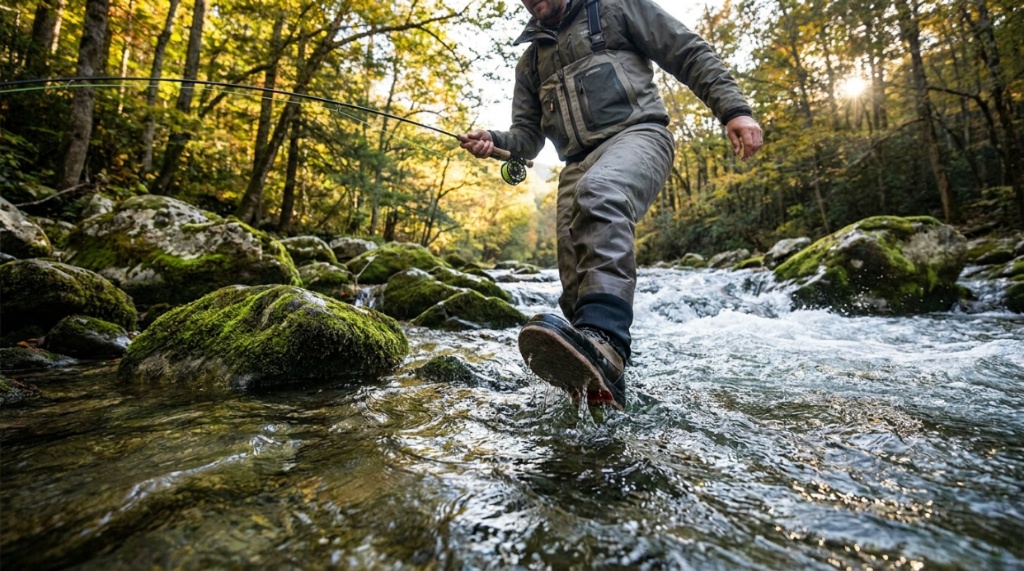
The single most predictable gear failure on any fishing trip isn’t a broken rod or tangled reel — it’s footwear that blisters your feet by hour three, slips on the first wet surface, or falls apart before the season ends. Avoiding common fishing footwear mistakes before your next trip means recognizing that your feet carry you through every cast, every fight, and every step on slippery surfaces — and poorly chosen shoes compromise all of it. Fishing footwear encompasses any purpose-built shoe, boot, sandal, or bootie designed for angling environments — featuring non-slip outsoles, water management systems, and protective construction for wet, hazardous conditions. The problem most anglers face isn’t ignorance — it’s assumption. assume regular outdoor shoes work. assume waterproof means comfortable. assume expensive means appropriate. Each assumption leads to a specific mistake that degrades trips, wastes money, or risks injury. This guide covers every common fishing trip essentials mistake related to footwear — and provides the fix before your next trip rather than during it.
What’s the Most Dangerous Fishing Footwear Mistake?
The most dangerous mistake is wearing shoes with inadequate wet-surface grip on boat decks — leading to slips that cause injuries ranging from bruises to broken bones, concussions, and drownings when anglers fall overboard.
This mistake happens because:
- Standard athletic shoes feel grippy on dry surfaces, creating false confidence
- The transition from dry to wet happens suddenly (wave splash, rain, fish spray) without warning
- Boat movement adds lateral forces that your body isn’t braced for
- Once you’ve committed to a trip with wrong shoes, there’s no option to change — you’re stuck with dangerous footwear for the entire day
How to avoid it:
- Test any fishing shoe on a wet smooth surface (tile, glass) before trusting it on a boat
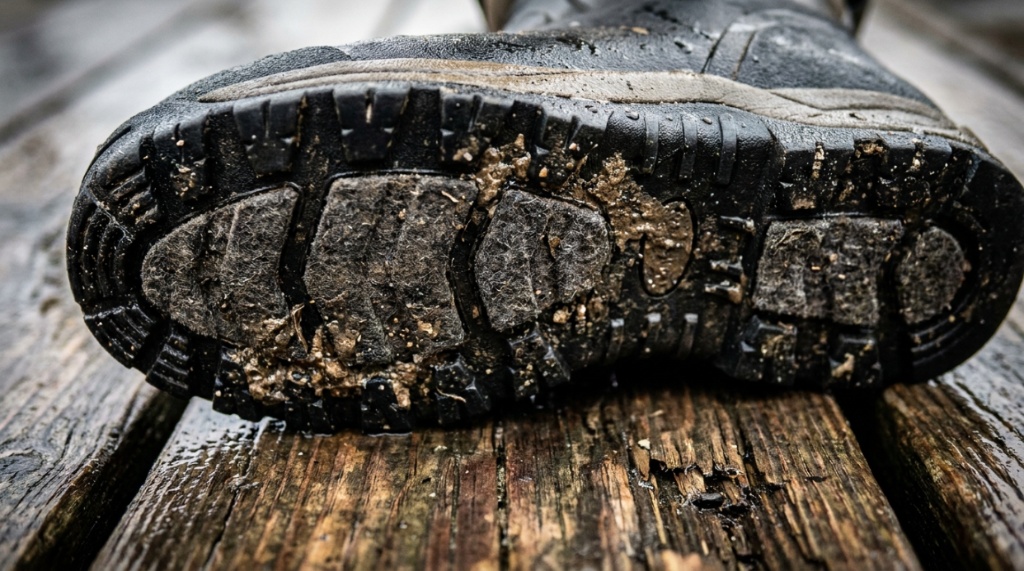
- Look for visible siping (razor-thin cuts across rubber sole blocks) — their presence indicates wet-surface engineering
- Choose shoes from fishing-specific brands (Grundéns, XTRATUF, Shimano) rather than general athletic brands for boat use
- Replace shoes when sole siping wears smooth — degraded traction is invisible until you slip
- Never assume deck shoes, Crocs, flip-flops, or bare feet provide adequate boat-deck safety
US Coast Guard data indicates that falls overboard — often initiated by slips on wet surfaces — rank among the top three causes of recreational boating fatalities. Proper footwear is genuinely life-saving equipment, not a comfort preference.
Why Do Anglers Choose the Wrong Waterproofing Level?
Anglers choose wrong waterproofing because they default to “waterproof sounds better” without assessing whether their specific conditions need water exclusion (cold environments) or water management (warm environments where drainage outperforms sealing).
The waterproofing mismatch creates two opposite problems:
- Over-waterproofing (warm conditions): Sealed waterproof boots in hot weather trap perspiration, creating sauna conditions inside the shoe. Feet become wetter from sweat than they would from external water exposure. Result: blisters, maceration, fungal growth, and extreme discomfort that ends trips early.
- Under-waterproofing (cold conditions): Drainage shoes in cold water (under 60°F) allow water to flood feet freely. Cold wet feet lose sensation within 30 minutes, reducing balance and creating hypothermia risk. Result: numbness, impaired walking, early trip termination, and potential cold-water injury.
Decision guide:
| Condition | Correct Choice | Wrong Choice |
|---|---|---|
| Water temp above 70°F | Quick-dry drainage | Waterproof sealed |
| Water temp 60–70°F | Water-resistant (light protection) | Either extreme |
| Water temp below 60°F | Waterproof + insulated | Drainage shoes |
| Boat fishing (any temp) | Non-slip appropriate to temperature | Terrain-focused boots |
| Hot day + occasional splash | Breathable drainage | Full waterproof seal |
What Sizing Mistakes Ruin Fishing Trips?
The most common sizing mistake is buying fishing shoes that fit perfectly in the store morning — without accounting for the 5–10% foot swelling that occurs during 6–12 hours of all-day standing and activity on the water.
Sizing errors and their consequences:
- Too tight (most common): Shoes that feel “snug” at purchase become restrictive after 3–4 hours of wear. Compressed toes develop blisters, blackened toenails, and numbness. Restricted circulation in tight shoes amplifies cold-weather discomfort exponentially.
- Too loose: Internal foot movement during boat lurches and terrain walking creates friction points. Heel lift causes blisters on the back of the foot. Loose shoes can shift during critical moments — hook-setting, fighting fish — when stability matters most.
- Wrong width: Many fishing shoes come in standard width only. Wide feet in standard-width shoes develop pressure points on bunions and pinky toes that become painful blisters. Narrow feet in standard shoes experience excessive internal movement.
Correct sizing approach:
- Try fishing shoes in the afternoon (feet are naturally larger after a day of activity)
- Wear the socks you’ll actually fish in during fitting
- Buy a half-size larger than your dress shoe size
- Verify you can wiggle all toes freely with socks on
- Walk around the store for 5+ minutes — initial comfort isn’t the same as extended comfort
- If between sizes, always size up rather than down
How Does Ignoring Break-In Lead to Trip-Ruining Blisters?
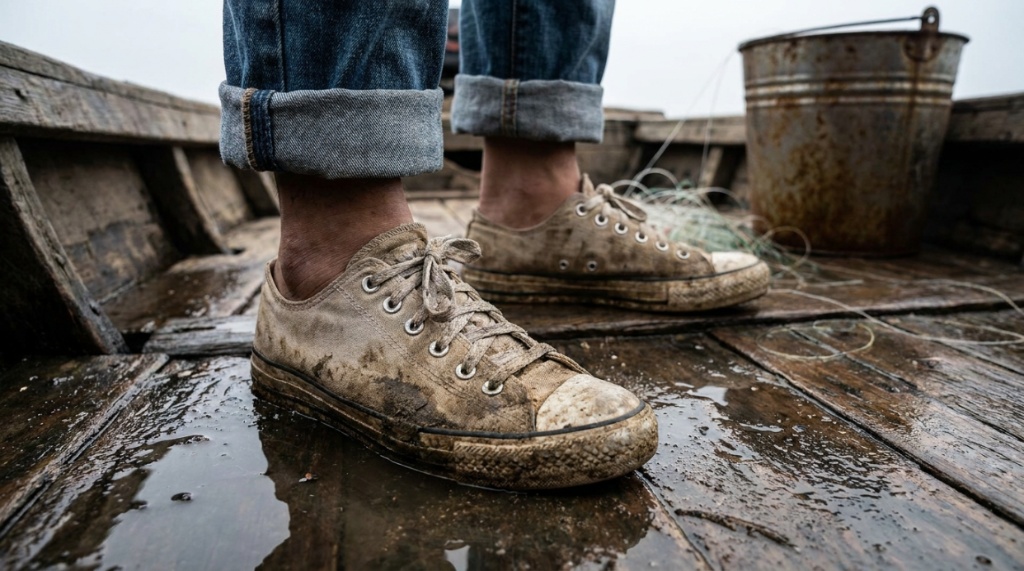
New fishing shoes that haven’t been broken in create friction points at stiff seams, edges, and lacing areas — and these pressure zones develop into full blisters within 2–3 hours of aggressive use, potentially requiring trip abandonment when walking becomes painful.
Why break-in matters more for fishing shoes than daily shoes:
- Fishing involves standing for hours (constant foot-to-shoe contact without position variety)
- Wet conditions soften skin — making it more blister-susceptible
- You can’t change shoes mid-trip (especially offshore)
- Fishing shoes use stiffer materials (rubber, thick leather, waterproof membranes) that require more molding time than soft casual shoes
Break-in protocol to prevent trip-day blisters:
- Session 1: Wear new shoes for 1–2 hours doing normal activities. Identify any hotspot areas (pressure, rubbing).
- Session 2: Wear for 3–4 hours. Apply moleskin or bandage to hotspot areas identified in session 1. Note if new hotspots appear.
- Session 3: Wear for a short fishing trip (2–3 hours). Bring backup shoes in case problems emerge. This tests shoes under actual fishing conditions (wet, standing, movement).
- Session 4: Full-day trip confidence. Material has softened to your foot shape, hotspots have been identified and managed.
Emergency tip: if you must use new shoes without break-in (no time before a trip), apply BodyGlide or petroleum jelly generously to all potential friction areas (heels, toe knuckles, ankle bones, instep), and carry blister bandages for immediate application at the first sign of hotspot development.
What Maintenance Mistakes Shorten Fishing Shoe Lifespan?
The three maintenance mistakes that destroy fishing shoes fastest are: failing to rinse saltwater shoes after use, storing shoes in sealed/unventilated spaces while damp, and wearing fishing shoes on concrete or asphalt surfaces that accelerate outsole wear.
Mistake-by-mistake breakdown:
- No post-trip rinse (saltwater): Salt crystals left to dry in shoe materials act as grinding abrasives every time the shoe flexes. Seams weaken, fabric fibers cut, and adhesive bonds break down. A $120 shoe that could last 2 years dies in 6 months without rinsing. Fix: 2-minute freshwater rinse after every saltwater trip. Non-negotiable.
- Sealed storage while damp: Shoes thrown into boat compartments, car trunks, or garage bins while still wet develop mold, mildew, and bacterial colonies that create permanent odor and material degradation. Fix: always air-dry in ventilated space before enclosed storage. Remove insoles to accelerate drying.
- Walking on pavement: Concrete and asphalt are far more abrasive than any fishing surface. Walking to/from the boat across parking lots in fishing shoes wears siping and sole material faster than weeks of deck use. Fix: carry fishing shoes to the boat and change on the dock. Or accept accelerated wear and budget for earlier replacement.
- Machine washing: Agitation and heat from washing machines damage waterproof membranes, delaminate bonded soles, and degrade rubber compounds. Fix: hand-rinse with fresh water only. Use soft brush for stuck debris. Air dry completely.
- UV storage: Leaving shoes on boat decks, car dashboards, or in direct sunlight between trips. UV radiation hardens rubber compounds (reducing grip), fades and weakens fabric, and accelerates material aging. Fix: store in shade or enclosed ventilated space.
Why Do Anglers Choose Style Over Function — And How to Stop?
Anglers choose style over function because fishing media, social accounts, and marketing present aesthetically appealing shoes that photograph well without demonstrating actual performance — creating purchase decisions based on appearance rather than the safety and comfort factors that determine real-world satisfaction.
How to redirect toward function-first decisions:
- Invert your evaluation order: Check sole grip technology first, comfort features second, materials/durability third, and appearance last. If a shoe passes the first three criteria, appearance among acceptable options is fine as a final tiebreaker — but it should never override functional priorities.
- Read user reviews from 3+ months of use: Fresh reviews describe aesthetics. Aged reviews describe performance. A shoe that looks great in unboxing photos but causes blisters by month two won’t mention problems in first-week reviews.
- Test before you trust: The wet-tile grip test, weight test, and flexibility test provide more information in 60 seconds than any product photo or description. Make testing your purchasing ritual.
- Separate “fishing shoes” from “lifestyle shoes”: If you want good-looking shoes for the dock bar after fishing, bring a separate pair. Don’t compromise fishing performance for post-trip aesthetics.
The best-performing fishing shoes often look industrial rather than fashionable. Accept this. The fish don’t care what your feet look like, and the boat deck doesn’t award style points before deciding whether to let you slip.
What Last-Minute Preparation Prevents Footwear Failures?
The night before any fishing trip: inspect sole condition, verify lace/strap integrity, confirm shoes are fully dry inside, pre-apply anti-chafe to known friction zones, and pack backup footwear if traveling beyond quick-return distance.
Pre-trip footwear checklist:
- Sole inspection: Check siping depth (worn smooth = replace before trip), look for sole separation at toe or heel, verify no embedded debris is filling grip channels.
- Closure check: Pull laces or straps under tension. Any fraying or weakness? Replace laces preventatively — a broken lace mid-trip on rough water leaves your foot unsecured.
- Dryness verification: Stick your hand inside each shoe. Any residual moisture from last trip? If damp, stuff with newspaper overnight and assess in morning. Never start a trip with pre-damp shoes — you’re starting the blister clock at zero.
- Anti-chafe application: Apply BodyGlide or similar to known hotspot areas the night before. It remains effective for 8+ hours after application.
- Backup plan: For offshore trips or multi-day expeditions, pack a second pair of footwear. If primary shoes fail (sole separation, unexpected blisters, flooding), having backup prevents a ruined trip.
- Sock selection: Lay out appropriate socks — moisture-wicking for warm conditions, merino wool for cold. Having wrong socks available trip-morning leads to cotton-sock defaults that guarantee blisters.
Choosing the wrong boots can ruin a great day on the water, but proper gear selection extends beyond what is on your feet. Just as the wrong shoes lead to slips, an unstable boat compromises your safety and balance. Investing in Stable Fishing Kayaks for Large Anglers Easily ensures a secure, sturdy platform, allowing you to cast comfortably without worrying about tipping over on rough currents.
Conclusion
Every common fishing footwear mistake shares one root cause: treating shoes as an afterthought rather than essential fishing trip gear that directly determines safety, comfort, and trip duration. The right fishing footwear prevents injuries from slips, prevents blisters from poor fit, prevents early trip endings from foot discomfort, and lasts seasons rather than months when maintained properly.
Before your next trip: verify grip adequacy for your fishing surface, confirm waterproofing level matches your water temperature, ensure proper sizing with activity socks, break in new shoes before committing to full-day use, and maintain your investment with proper post-trip care. These aren’t complex demands — they’re simple preparation steps that separate comfortable, safe anglers from those spending more on replacements and less time actually fishing. Get your feet right, and everything above them performs better.
Frequently Asked Questions
What’s the most common reason fishing shoes fail prematurely?
Failure to rinse saltwater shoes after use is the #1 premature failure cause. Salt crystal formation in materials creates progressive abrasive damage that weakens seams, cuts fibers, and separates bonded soles — reducing 2-year shoe lifespan to under 8 months. The 2-minute post-trip freshwater rinse is the single most impactful maintenance habit for fishing shoe longevity.
Should I wear socks with fishing shoes?
Yes, in most situations. Moisture-wicking socks prevent blisters by reducing skin friction and managing perspiration. The only acceptable sockless fishing is in warm-water drainage shoes designed for sockless wear (typically with antimicrobial linings). Even then, thin moisture-wicking socks improve comfort over extended periods. Never use cotton socks for fishing — they hold moisture and guarantee blister development.
Can hiking boots work as fishing shoes?
For freshwater bank fishing only. Hiking boots provide excellent terrain traction and ankle support for riverbank and lakeside fishing. However, they’re inappropriate for boat decks (lugged soles damage fiberglass and provide poor wet-smooth-surface grip), and their leather/metal construction deteriorates rapidly in saltwater. Consider hiking boots a freshwater-bank-only option, not a universal fishing shoe.
How do I know when my fishing shoes need replacing?
Replace when: outsole siping is worn flat (reduced wet grip = safety hazard), sole separation begins at any point (will worsen rapidly), upper materials show holes or significant degradation, shoes no longer dry fully between trips (permanent odor and material breakdown), or you notice decreased traction on surfaces where shoes previously gripped confidently.
Are expensive fishing shoes always better than cheap ones?
Not always — but for wet-deck safety specifically, yes. Premium rubber compounds and siping technology at $80+ provide measurably better grip than $30–$40 alternatives. However, for basic freshwater bank fishing in dry conditions, a $50 water-resistant trail shoe may perform adequately without premium features. Match investment to risk level: high-risk environments (boats, wading) justify premium spending; low-risk environments (dry banks) can work with budget options.
What should I do if my feet get wet during a fishing trip?
If shoes flood: squeeze out excess water, wring socks if possible, and continue fishing (no alternative exists once offshore). For subsequent comfort: shift weight regularly between feet, flex toes periodically to maintain circulation, and apply dry blister bandages to any emerging hotspots before they develop fully. Pack spare socks in a dry bag — changing into dry socks even with wet shoes significantly improves comfort for remaining trip hours.