Animals in Art Through Ancient Times

Animals are a big part of life on earth and many of us love animals and enjoy learning about them and being in their presence. Animals have long been of interest to humans, and thousands of years before art like this modern animal sculpture https://www.gillparker.com  was created, people all over the ancient world were making art based on the animals that were part of their lives.

Here are some examples of the relationship that ancient artists had with animals…

Egypt

There are many animals represented in ancient Egyptian art – most people are probably familiar with the form of Egyptian writing using symbols, known as hieroglyphics. The ancient Egyptians often used animals in art, and of course many of the animals that they used represented many of the gods that the worshipped. The jackal, the ibis and of course the cat we’re all highly revered by the ancient Egyptians and you can see many examples of this in the art of the ancient Egyptians.

Image Credit

Greece

The art of the ancient Greeks that is probably the most recognisable are the beautiful sculptures depicting the Greek gods and the heroes. But animals also feature in ancient Greek art. Many of the animals that are represented in Greek art will appear with humans, often helping to convey a message such as strength or wisdom. Animals often shown in Greek art include Lions, Bulls and Owls.

Rome

The Romans were very advanced, and their art was no exception. The mosaic is probably one of the most widely recognised forms of ancient Roman art, but paintings and pottery also were popular art forms in the Roman Empire. Animals in Roman art range from the majestic horses often found in sculptures and paintings of Great leaders, to mythological scenes showing animals as part of the stories of Roman mythology and religion. The Romans also used animals as a symbol in artwork, and the ram, the snake and the eagle were all often used to convey a message or an idea.

Image Credit

Mexico – The ancient Aztecs were reliant on the natural world and like many religions, their calendar and their worship revolved around the seasons of nature. Therefore, there are many animals used in places of worship and burial, showing both the domestic animals that were kept as well as the wild animals that the people shared their land with.

The beauty and sustainability of building with Wood.

For thousands of years buildings have been designed and built using the traditional Timber Frame Construction method.  The beauty and sustainability of a wooden building alongside the durability and low construction costs makes it the perfect medium to use for all types of building.  Conservation and replacement of trees is of the topmost priority when it comes to using timber for building purposes.  When mature trees are cut down and their sturdy trunks and branches used to build traditionally crafted properties then fresh saplings are planted so that there is always an abundance of new trees that will grow and thrive to replace the older ones.  Compared to other manmade materials, using a sustainable product like wood is better for the environment.  Lightweight, strong, durable and easy to carve into specific shapes and features, timber will always be a great choice when it comes to building.

Image credit

Complete Timber Frame Construction Kits can be purchased in a variety of sizes and styles and can be delivered to your chosen location making the start of your build straightforward and easy.  From a simple design to a much more complex construction talk through your ideas with the experienced Team behind these quality made kits before committing to any one design.

Image credit

Think of the peace and tranquillity you could achieve by purchasing your own complete Timber Frame Construction Kit, crafting your individual design and including unique specifications for your new Home.

Why Do Male Cats Knead? Unraveling Feline Mysteries

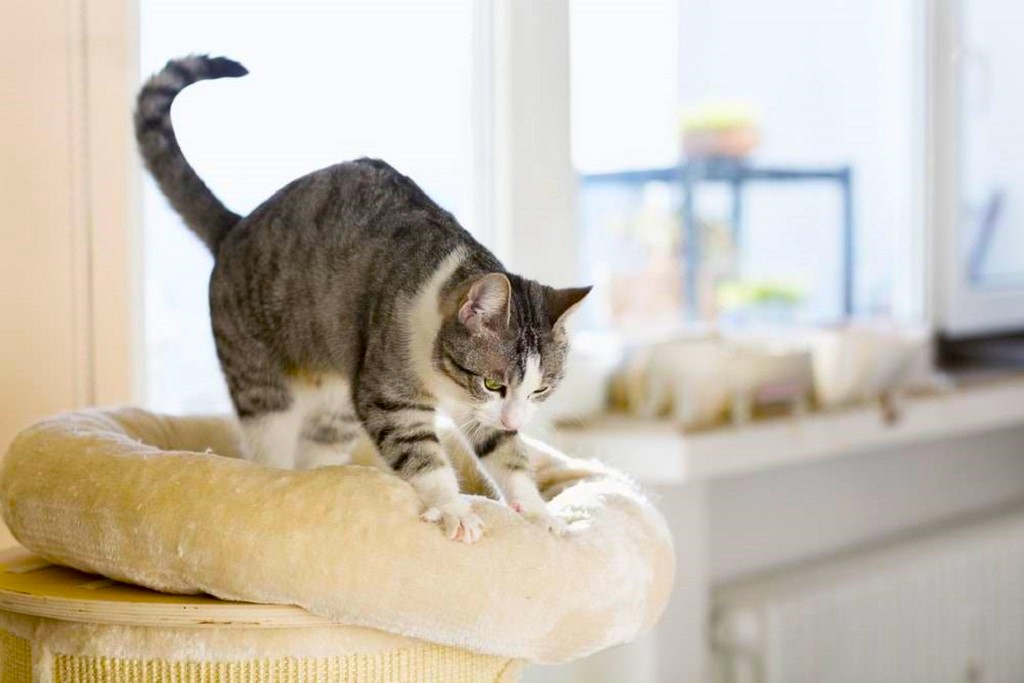
Male cats knead to mark their territory and exhibit comfort-seeking behavior. This instinctive action mimics their kittenhood practice of stimulating their mother’s milk flow.

Domestic cats often retain their kitten-like behaviors, and kneading is one such endearing trait. Male cats may knead on soft surfaces, such as blankets or their human companions, as part of their instincts. Kneading allows them to create a cozy resting place, show affection, and communicate contentment.

Understanding this feline behavior can enhance the bond between cats and their owners, highlighting the complexity and charm of our feline friends’ actions. While this behavior is common to all cats, nuances in kneading patterns can offer insights into individual cat’s feelings and well-being.

Understanding Feline Behavior

Exploring why male cats knead reveals a fascinating aspect of feline behavior, often linked to comfort and territory marking. Kneading can signify contentment or a deep-seated instinct from kittenhood, where it stimulates milk flow.

The Natural Instinct Of Male Cats

  • Marking Territory: Cats have scent glands in their soft paw pads. Kneading transfers their unique scent, claiming a space or object as their own.
  • Preparation for Rest: In the wild, ancestral cats would knead grass or leaves to create a soft bed, and this behavior continues in modern felines.
  • Stretching Muscles: The motion helps keep their muscles limber and prepared for the active periods of hunting and playing.

The Intriguing Act Of Kneading

The Instinctual Behavior Of Kneading

Exploring The Origins Of Kneading Behavior

  • Survival Instinct: Even after cats have weaned, they retain the kneading behavior.
  • Marking Territory: Cats have scent glands in the soft pads of their paws, and kneading may serve as a way to mark territory with their smell.

This innate activity also connects to the cat’s wild ancestors who would knead grass or leaves to create a soft, safe resting place. While domesticated cats enjoy the comfort of a home, the behavior persists.

Understanding The Psychological Impetus

Psychological Aspect Explanation
Comfort Kneading replicates the comfort and security felt as a kitten with their mother.
Stress Relief Like humans with stress balls, cats may knead to relieve stress or express happiness.
Affection Male cats may use kneading behavior as a way of showing affection towards their owners.

A deeper understanding of the psychological motivations behind kneading leads to a greater appreciation for this distinctive behavior, allowing pet owners to better understand and connect with their feline friends.

The Physical Manifestation Of Kneading

Male cats often knead to express comfort or mark territory with the scent glands in their paws. This instinctive behavior can signal contentment and help to establish their presence within an environment.

Unraveling The Science Behind Kneading

The Neurological And Physiological Triggers

  • Endorphin release – A key factor in stress relief and contentment.
  • Paw pad receptors – Paws are sensitive and stimulate the brain’s pleasure centers.
  • Maternal link – Residual behavior from kittenhood and the nursing phase.

The Gender-specific Nature Of Kneading

Male cats often engage in kneading behavior, which can be traced back to kittenhood instincts for stimulating milk flow. This comforting action persists into adulthood, sometimes serving as a display of affection or a way to mark territory through scent glands in their paws.

Delving Into The Gender Disparity

Before we explore the masculinity of kneading in feline behavior, it’s important to acknowledge that kneading is an instinct that traces back to kittenhood. Cats of all genders knead their mother’s belly to stimulate milk flow. Despite this shared kitten memory, mature male cats sometimes exhibit kneading behaviors that appear slightly different from their female counterparts.

  • Maturity: Male cats often continue to knead frequently as they mature while in some cases, females may knead less often post-maturity.
  • Strength and vigor: Due to the physical differences, males may knead with more force or intensity.
  • Marking Territory: Males have a strong instinct to mark their territory and may use the scent glands in their paws to knead and mark their favorite spots.

Why Do Male Cats Knead Differently?

Kneading behaviors in male cats could be influenced by other factors beyond the common comfort-seeking and nesting instincts. Let’s explore several theories and observations:

Behavioral Aspect Explanation
Marking Territory Males may knead more actively to release pheromones from their paw pads, claiming their space.
Mating Rituals Kneading could be part of courtship behavior, displaying comfort and readiness to mate.
Dominance Display Forceful kneading might project strength and dominance, particularly in multi-cat households.

The act of kneading can sometimes be accompanied by other behaviors, such as purring, and can serve multiple functions depending on environmental and social factors. Intensity, frequency, and context play crucial roles in interpreting the kneading of male cats.

The Emotional Connection Of Kneading

The intimate act of kneading is more than just an adorable quirk in male cats; it is a behavior steeped in emotional significance. Often observed as a rhythmic pressing of their paws against soft objects, kneading is a physical manifestation of a cat’s emotional state and relational bonds. While it might seem like a simple action, kneading is a complex display of feline affection and communication.

Feline Communication Through Kneading

The Role Of Kneading In Male Cat Behavior

  • Marking Territory: Kneading can also be an act of claiming territory. Male cats have scent glands in their paws, and by pressing them into surfaces, they leave behind their scent as a way of marking their presence.
  • Prepare Bedding: Genetic instincts may drive male cats to knead in an attempt to make a spot more comfortable for resting, which is reminiscent of their ancestors patting down foliage to create a soft bed.
  • Sign of Mating Readiness: Unneutered male cats might knead more frequently as a precursor to mating behavior, signaling their readiness to females.
  • Exhibit Contentment: When your male cat kneads on your lap, it’s not just seeking attention; he’s expressing deep satisfaction and emotional fulfillment, sharing this serene moment with you.

Kneading is not just a remnant of kitten behavior; it is an inherent part of a male cat’s daily rituals, offering a window into his emotional state. This tactile action cements the bond between a cat and his human, providing tangible proof of the invisible ties of affection and trust that exist in their shared space. By understanding and appreciating the emotional resonance of kneading, cat owners can foster an even deeper connection with their feline friends.

Frequently Asked Questions For Why Do Male Cats Knead

Why Does My Male Cat Keep Kneading?

Male cats often knead to show comfort, mark territory with scent glands in their paws, or prepare a soft spot to rest. This behavior may also stem from kittenhood instincts related to stimulating the mother’s milk.

Why Does My Cat Hump When He Kneads?

Cats may hump when kneading due to behavioral responses linked to comfort or mating instincts. This action can reflect contentment or, in mature cats, sexual conduct.

Why Do Male Cats Bite Blankets And Knead?

Male cats bite blankets and knead due to natural behaviors inherited from their wild ancestors. Kneading mimics the action of pressing down on grass or leaves to make a resting spot while biting can be a sign of comfort or play.

What Does It Mean When A Male Cat Kneads The Air?

A male cat kneading the air is often a sign of comfort and contentment. This behavior mimics the kneading on their mother’s belly to stimulate milk flow and is a soothing action that cats may retain into adulthood.

Conclusion

Understanding the behavior of male cats, especially their tendency to knead, can deepen the bond between pets and owners. Kneading is a natural, comforting action rooted in kittenhood. Remember, each cat’s kneading habit is unique; it’s their way of showing affection and claiming their cozy spot.

By observing this endearing behavior, we enhance our empathy towards our feline friends and their instinctual needs.

8 skincare tips for athletes

Athletes, when undergoing intense training and competitions, face conditions such as sun exposure, heavy sweating, and fluctuations in body temperature, factors that can affect skin health.

Therefore, it is important to adopt preventive and corrective measures to ensure healthy and resistant skin.

take care of your skin when you are an athlete

How do you take care of your skin when you are an athlete?

The unique physical demands that athletes face call for special attention to maintain skin health. Here are some tips to do so effectively:

1.    Effective skin cleansing

Intense physical activity can lead to clogged pores, increasing the propensity for acne. It is therefore necessary to use an acne body wash formulated with ingredients such as salicylic acid to effectively combat impurities and prevent the appearance of pimples on the body. This specialized approach ensures deep cleansing and helps to keep the skin flawless, even after intense training sessions.

2.    Sun protection adapted to the sports environment

Many athletes train in the bright sunshine on playing fields, courts, and tracks. However, this constant exposure also means a high risk of sun damage.

Dermatological studies indicate that sun protection adapted to sports environments not only prevents premature skin aging but also reduces the risk of melanoma. Choosing a water- and sweat-resistant sunscreen becomes a necessity, providing an effective barrier against UVA and UVB rays while keeping pace with vigorous physical activity.

3.    Deep hydration

Sweat, although it is the testimony of physical exertion, can also trigger cutaneous dehydration. Athletes’ skin is subjected to extreme conditions, which require deep hydration to maintain its resistance.

Moisturizers rich in ingredients such as hyaluronic acid and glycerin not only restore moisture but also strengthen the skin barrier, acting as a shield against external aggressions.

4.    Lip protection

Constant exposure to wind and sun during sports activities can leave lips prone to dryness and cracking. A crucial step in comprehensive care is the application of a lip balm for protection.

These balms are formulated with nourishing ingredients and protective agents that act as a shield for the lips. By incorporating this product before and after exercise, athletes not only maintain essential hydration but also protect their lips from adverse environmental conditions.

This small gesture ensures soft and healthy lips, contributing to a comprehensive care routine for athletes.

5.    Comprehensive hair care

The accumulation of sweat and residues in the hair is common, and choosing the best shampoo for athletes can make a difference.

Opting for a shampoo specifically designed for the needs of athletes, with revitalizing and cleansing properties, not only keeps the hair fresh and residue-free but also contributes to a healthy scalp. This comprehensive approach ensures that skin care for athletes extends from head to toe.

Post-workout cleaning

6.    Post-workout cleaning

Post-workout showering is not just a matter of personal hygiene; it is an essential practice for skin care. It has been proven that the accumulation of sweat, bacteria, and chemicals on the skin after exercise can lead to breakouts and pore blockage.

Proper cleansing with gentle products tailored to the athlete’s skin type not only purifies the skin but also promotes cellular regeneration, which is essential for recovery after intense training.

7.    Foot care

Athletes, with the constant impact and friction on their feet, often face the challenge of rough skin. It is advisable to incorporate a cream for rough feet that contains urea.

Urea, with its ability to gently exfoliate and retain moisture, becomes an essential ally in combating roughness. By regularly applying this specialized foot cream, athletes not only promote skin smoothness but also prevent the formation of calluses and cracks, ensuring a solid foundation for their physical performance.

8.    Friction protection

Constant friction during sports activities can cause discomfort and skin chafing. To counteract this challenge, it is essential to integrate a body block to fight friction.

These products, specifically designed to prevent friction between the skin and clothing, act as an effective barrier. By applying this body blocker before exercise, athletes not only minimize irritation and discomfort but also ensure unrestricted movement without the annoyances associated with constant friction.

This proactive approach promotes comfort and well-being during and after intense physical activity.

overall wellness and excellence in athletic performance

Athletes’ dedication to maintaining the integrity and health of their skin reflects their commitment to overall wellness and excellence in athletic performance.

Skin health is not superficial; it is an important part of their overall preparation, which supports their ongoing pursuit of goals and victories in the world of sports.

How to Choose the Perfect Perfume for Your Personality

When it comes to choosing a signature scent, the process can be both thrilling and fulfilling. When it comes to finding the perfect scent, the vast array of perfumes available in the market may seem daunting at first. But by knowing your preferences and requirements, as well as considering options from Spain perfume manufacturers, you can streamline your choices. With the right approach, you can find the perfect fragrance that complements your personality and lifestyle. To help you get started, we have compiled some tips that can guide you toward selecting the ideal scent that reflects the real you.

How Crisis Tree Expulsion in New York Protects People Group

New York City is known for its towering skyscrapers and bustling streets, but amidst the concrete jungle lies a hidden danger that threatens the safety of pedestrians and the environment alike. Trees that have become unstable due to age or severe weather pose a serious risk to those who pass by, leading to a growing concern for public safety. However, the solution to this problem goes beyond simply cutting down trees. Enter crisis tree expulsion, a compassionate approach that balances community protection with environmental stewardship. Let’s take a closer look at how crisis tree expulsion in New York protects people groups.

Crisis Tree Expulsion in New York

New York City is known for its towering skyscrapers, bustling streets, and diverse communities. With over 8 million residents crammed into just over 300 square miles, the Big Apple moves at a rapid pace. However, when a crisis strikes, the city must take swift action to protect its most vulnerable citizens. This was the case with the recent crisis tree expulsion in lower Manhattan.

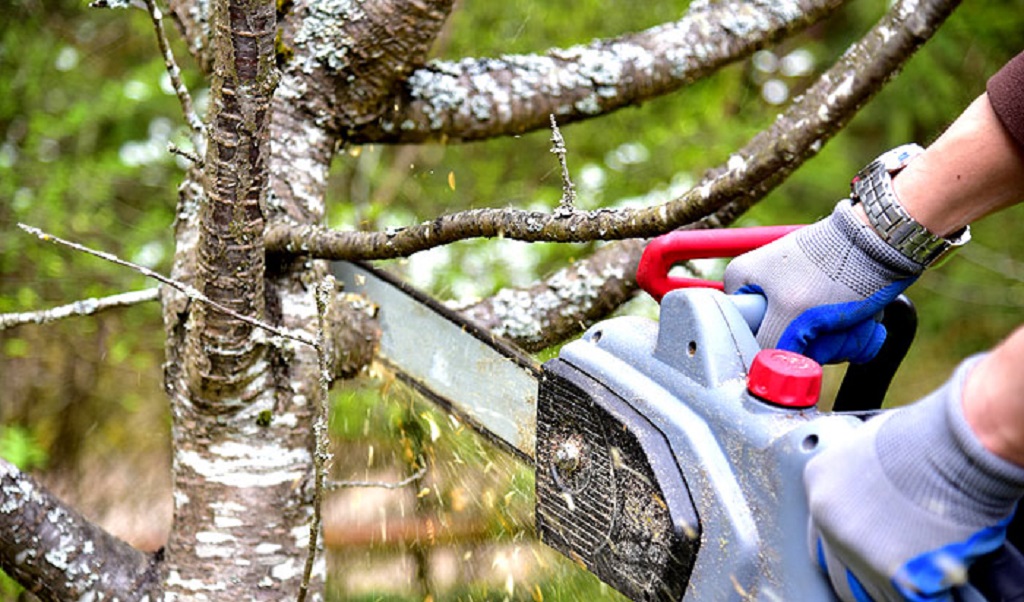
In this early month, an infestation of the destructive Asian longhorned beetle was discovered in trees across Lower Manhattan. This invasive insect threatens the health of over 30 species of hardwood trees, like maple, birch, and ash. Left unchecked, the beetles could destroy thousands of trees in city parks and along streets. Realizing the immense risk, the New York City Department of Parks and Recreation quickly removed over 1,000 infected trees.

Protecting Pedestrians

Falling trees and branches are a serious threat to pedestrians. New York’s busy sidewalks host thousands of walkers each day. From students walking to school to professionals commuting to work, people rely on city sidewalks for transportation. If precarious trees loom overhead, lives are at risk. Expelling hazardous trees makes sidewalks safe again, especially helping children, seniors, and people with disabilities regain their walking routes.

Preserving Power for Medically Fragile Residents

Unstable trees can topple onto power lines during storms. This can cause prolonged electrical outages, which compromises care for medically fragile folks relying on life-sustaining equipment. They include people on oxygen, dialysis, ventilators, and more. By removing trees that endanger utility lines, expulsion helps restore power faster. It ensures vulnerable residents maintain access to vital medical treatments.

Securing Shelter for People Experiencing Homelessness

Falling trees can damage shelters and outdoor spaces where unhoused people seek refuge. This displaces them from safe havens when they need stability most. Expedient tree expulsion enables rapid repairs to shelters, allowing displaced residents to return quickly. It also reopens gathering areas in parks, restoring a sense of community for people experiencing homelessness.

Clearing Debris to Reconnect Isolated Neighborhoods

After storms, toppled trees can make roads impassable, isolating residential areas. This delays emergency responders from reaching people in need and keeps caregivers from accessing homebound clients. Tree removal crews work diligently to clear roadways, reconnecting cut-off neighborhoods. Their efforts grant emergency access, helping vulnerable folks get urgent medical care and social services.

Restoring Transit for Essential Workers

Felled trees often obstruct bus routes, subway lines, and commuter rails, halting transit service. This prevents essential workers relying on public transportation from reaching their vital jobs caring for others. Tree expulsion enables transit crews to resume operations quickly after storms. It allows nurses, group home employees, and other frontline workers to transit safely so they can serve high-risk populations.

Protecting Drivers in At-Risk Groups

Hazardous trees also endanger drivers, like seniors with vision loss or people with disabilities. Clearing roadways of fallen trees and branches help these higher-risk motorists return to driving safely. Expulsion operations focused on major highways also protect commercial drivers, who are essential workers transporting critical supplies across the region.

Preserving Access for People with Disabilities

After severe weather, blocked sidewalks, ramps, and bus stops can make it impossible for people with disabilities to access their community. Crusader tree expulsion makes traversing New York possible again for all by restoring obstructed passageways. This allows people with differing abilities to access jobs, schools, shops, parks, and healthcare facilities.

FAQs

Q: Isn’t expelling trees harmful to the environment?

A: The city takes great care to remove only hazardous trees while preserving surrounding trees. After expulsion operations, they replanted even more trees than were removed. This makes the local ecosystem more resilient.

Q: Can’t they just trim dangerous branches instead of removing entire trees?

A: Severely damaged trees often cannot be saved. Pruning unstable branches is ineffective and leaves an irreparable safety hazard. Expulsion is a last resort for at-risk trees.

Q: Are healthy trees being removed unnecessarily?

A: Arborists carefully inspect each tagged tree and only recommend removal if the tree is dying or structurally unsound. Healthy mature trees are preserved whenever possible.

Q: Why does tree expulsion take so long after storms?

A: It’s a time-intensive process to safely remove large fallen trees while avoiding harm to crews, bystanders, and surroundings. The city prioritizes cases where trees pose an immediate danger.

Q: What happens to the tree debris after expulsion?

A: The trees are recycled instead of landfilled. Wood chips go to parks, while trunks become lumber, mulch, and more. Nothing is wasted.

Conclusion

New York’s crisis tree expulsion operations are a proven way to protect all communities when disaster strikes while respecting the urban forest. The coordinated efforts between arborists, city departments, and work crews demonstrate the compassion and resilience of New Yorkers. By expeditiously removing at-risk trees, the city upholds its duties to secure citizens’ safety and dignity during times of crisis. The system may not be perfect, but the commitment to equitably serving all people shines through.

Making Your Home Safer: Smart Lock Solutions for Every Home

A home should be a safe haven, but with crime rates on the rise, many homeowners feel vulnerable even within their own four walls. According to the FBI, over 2 million burglaries occurred in the United States in 2021 alone. Many of these break-ins happened during daytime hours when families were out at work or school. Most burglars gain entry by forcing open a door or window in just a few minutes. This highlights the importance of securing all access points into your home.

With so many options on the market, how do you choose the right smart lock for your needs and budget? Here is an overview of some of the best smart lock solutions to make your home more secure.

Why Smart Locks Solutions

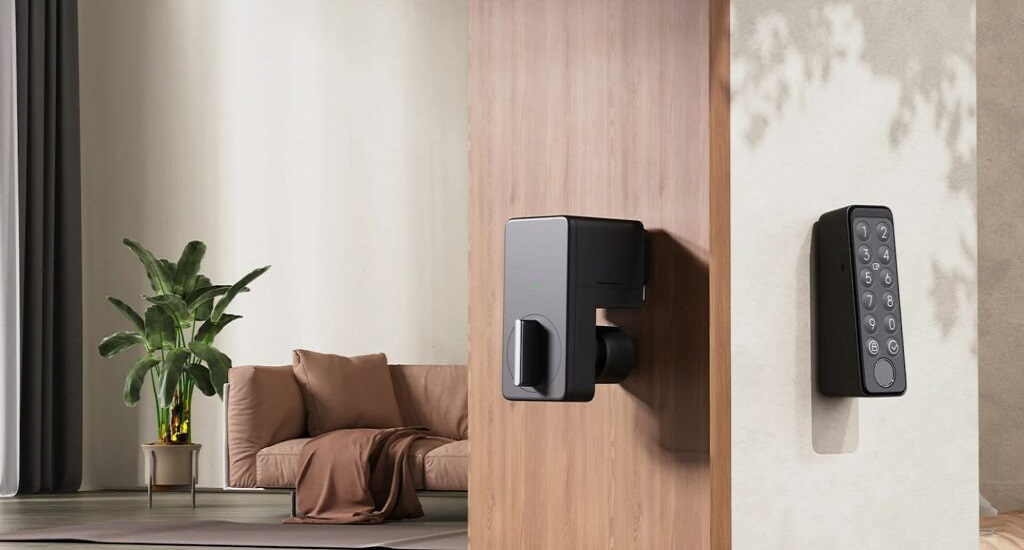
Installing smart locks on your doors provides an extra layer of security and peace of mind. Smart locks allow you to control and monitor your locks remotely using your smartphone or other devices. With just a few taps, you can check if your doors are locked, lock or unlock them, and see who has entered your home. Smart locks utilize advanced features like fingerprint scanning, facial recognition, and geofencing to provide seamless access for family members while keeping unwanted visitors out.

Keyless Deadbolts

Keyless deadbolts are a simple upgrade from traditional keyed deadbolts. They unlock when you enter a code on the built-in keypad, eliminating the need to carry keys that could be lost, stolen, or copied. Keyless deadbolts allow you to create unique codes for family members, guests, or service providers, which you can delete afterwards for security. Options like Schlage Encode and Kwikset Halo Touch feature a capacitive touchscreen and auto-locking for convenience.

Fingerprint Scanners

For ultimate convenience, a fingerprint scanning deadbolt like the Kwikset Kevo or Yale Assure Lock SL eliminates codes. Family members can simply scan a finger to unlock the door. These deadbolts store fingerprints locally rather than in the cloud to prevent hacking. Kwikset Kevo also lets you create eKeys to authorize guests via a smartphone app. With no codes or keys required, fingerprint locks are easy for kids and seniors.

Smart Locks with Remote Control

Remote controlled smart locks allow you to control your deadbolt from anywhere using a smartphone app. Lock types like August Smart Lock, Schlage Sense, and ULTRALOQ U-Bolt Pro Wifi bridge traditional deadbolts with Bluetooth and WiFi. This allows you to check lock status, lock/unlock, create virtual keys, and view activity history from anywhere. You’ll get alerts when someone enters or leaves. This gives you peace of mind knowing your home is secure even when you’re out of town.

Retrofit Smart Locks

Retrofitting your existing deadbolt with a smart lock module leaves the interior aesthetics of your door intact. Lock types like August Smart Lock Pro, Level Touch, and Lockly Secure Plus easily replace the inside portion of your deadbolt. The door remains functional with your existing keys while gaining the ability to lock/unlock your door remotely via Bluetooth/WiFi. No tricky wiring is needed. Retrofits are great for renters who cannot permanently modify their front door lock.

Smart Intercom Locks

Smart intercom locks have a built-in doorbell camera and speaker to see and speak with visitors trying to enter your home. Locks like the Ultraloq UL3 BT allow you to remotely communicate and grant access to guests from anywhere. This smart lock even lets you create one-time unique codes for service providers like dog walkers, which get deleted afterward. The Ring Always Home Cam moves a step beyond by combining a security camera with remote unlocking capabilities.

Smart Padlocks

Beyond doors, smart padlocks allow you to secure gates, storage sheds, or outdoor equipment with the convenience of keyless remote access. Padlocks like the Schlage Encode Smart WiFi Padlock and Master Lock Bluetooth Padlock can be locked/unlocked from an app. Built-in alarms deter tampering when you’re away. Portable smart padlocks like the Tapplock Lite and Dustguard DS101 feature fingerprint access and are ideal for securing gym lockers.

Factors to Consider

When it comes to choosing a lock for your home or business, there are several important factors to consider. One of the main decisions you will have to make is whether you want an easy retrofit or a full replacement. This will depend on your specific needs and the condition of your current lock.

In addition to this, you will also need to decide on the type of access control you want. There are several options available including keypad, fingerprint, facial recognition, and smartphone controls. Each of these options has its own advantages and disadvantages, so it’s important to choose the one that best fits your needs.

Connectivity

It is another important factor to consider when choosing a lock. There are several options available including WiFi, Bluetooth, ZWave, and others. The type of connectivity you choose will depend on the level of control and convenience you require.

Power Options

When it comes to power, you will need to choose between battery-powered, hardwired, or hybrid locks. Each of these options has its own advantages and disadvantages, so it’s important to choose the one that best fits your needs.

Design

It is also an important consideration when choosing a lock. There are many different styles available, ranging from modern and sleek to more traditional aesthetics. It’s important to choose a lock that not only looks good but also fits in with the overall design of your home or business.

Finally, you will need to consider the features you want in a lock. This includes things like activity logs, alarms, and camera integration. Budget is also an important consideration, with entry-level models starting under $100, while high-end models with extra features can cost over $400.

While no lock can guarantee absolute security, by taking the time to consider all of these factors, you can choose a lock that provides the level of security and convenience that you need.

Final Verdict

While no lock can guarantee absolute security, smart locks provide monitoring, access control, and remote capabilities far beyond traditional locks. Protect your most valuable asset – your home and family – with the peace of mind of a smart lock solution that meets your specific needs.

FAQs

Q1: Do smart locks completely replace my existing deadbolt?

A1: It depends on the type. Keyless deadbolts and padlocks completely swap out your old lock. Retrofit locks leave your existing interior lock in place. You’ll still use your normal key from inside. Remote control locks add smart features to your current deadbolt.

Q2: Can someone hack my smart lock?

A2: Reputable brands use advanced encryption to prevent hacking of your WiFi smart lock. Bluetooth only locks have a shorter range hackable distance but offer decent security overall. Disabling guest access when away adds protection.

Q3: How long does the battery last in battery-powered smart locks?

A3: Battery life ranges from 4-12 months before needing replacement. Factors are usage frequency, type of batteries, and battery efficiency of the lock. Some smart locks have a hybrid design powered by batteries and electricity.

Q4: What happens if my phone dies and I can’t access my smart lock?

A4: Most models have a keyhole or external battery port to power the lock with a backup key or battery. You can also share access remotely with someone else’s phone in an emergency.

Q5: Are smart locks easy to install?

A5: DIY installation is straightforward for most exterior smart locks following the included instructions. You’ll want to confirm your door is properly prepped. Professional installation may be better for complex retrofit jobs or whole home access control systems.

How Do I Get Started as a Gardener

Getting into gardening can seem intimidating at first. With so many plants to choose from and skills to learn, it’s easy to feel overwhelmed! But gardening is a rewarding and relaxing hobby that anyone can pick up with a little bit of knowledge. In this guide, I’ll walk you through how to get started as a gardener, from choosing a location to selecting plants to caring for your garden.

Home Improvement Projects to Expand Living Space

Feeling cramped in your current home? You’re not alone. Many homeowners find themselves wishing for more room as their families grow or they simply accumulate more stuff over the years. The good news is you don’t necessarily have to move or undertake a major (and crazy expensive) addition to get more elbow room. There are plenty of ways to creatively carve out home improvement projects to expand living space. All it takes is a little imagination and DIY spirit.