

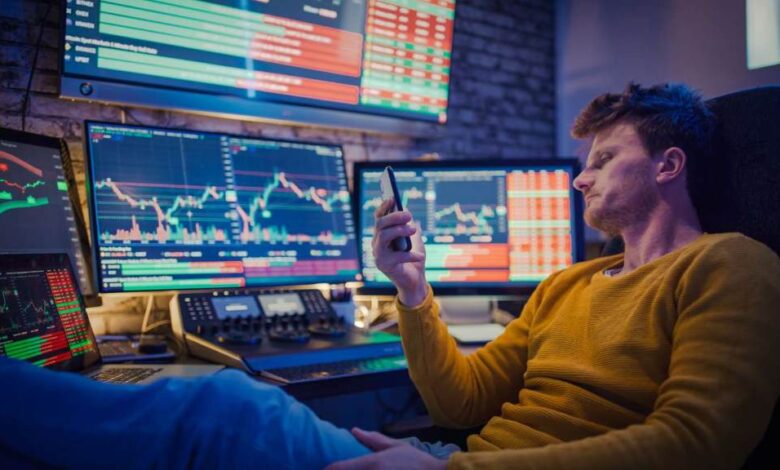
Technical analysis is not just a skill; it’s a discipline. For traders aiming to outperform the market, using technical analysis platforms like a pro is critical. In a world dominated by noise, these platforms offer clarity, insights, and a competitive edge. But how do you elevate your use from basic to expert? Let’s dive deep.
The Foundation of Technical Analysis Platforms
Before mastering the tools, one must understand their foundation. Technical analysis revolves around price action and market psychology. It studies historical data to forecast future trends. Unlike fundamental analysis, which focuses on company health, technical analysis zeroes in on chart patterns, volume, and momentum.
Platforms like TradingView, MetaTrader 5, and Thinkorswim have become essential. They provide real-time charts, drawing tools, indicators, and even backtesting capabilities. As of 2024, over 70% of retail traders use technical platforms to aid their decisions (source: Statista). That’s no accident—data drives action.
Choosing the Right Platform
Not all platforms are created equal. Choosing the right one depends on your trading style, asset preference, and level of experience.
- TradingView offers cloud-based flexibility, thousands of user-created indicators, and an intuitive interface.
- MetaTrader 5 appeals to Forex and CFD traders with its algorithmic trading capabilities.
- Thinkorswim, powered by TD Ameritrade, suits US stock traders looking for deep research tools.
Professional traders usually test multiple platforms before committing. Consider latency, customization, mobile access, and cost. According to Investopedia, traders who use platforms with customizable alerts and backtesting tools report a 23% improvement in decision-making.
Mastering Chart Types and Timeframes
Understanding charts is fundamental. Line, bar, and candlestick charts dominate the space. Among them, candlestick charts are the most popular due to their detailed price action visibility.
Timeframes vary from 1-minute to monthly. Scalpers prefer shorter frames like 1-minute or 5-minute charts. Swing traders use 1-hour to daily charts. Longer-term investors rely on weekly or monthly trends.
Using multiple timeframes provides context. For example, if a stock is bullish on the daily but bearish on the 15-minute, caution is warranted. This technique—called multi-timeframe analysis—is often overlooked by beginners but heavily used by professionals.
Utilizing Indicators Efficiently
Indicators are powerful—if used correctly. Overuse leads to confusion and contradiction.
- Moving Averages (SMA, EMA) help identify trend direction.
- Relative Strength Index (RSI) reveals overbought or oversold conditions.
- MACD tracks momentum and trend reversals.
- Bollinger Bands measure volatility and potential breakouts.
The key is convergence. If multiple indicators suggest the same outcome, confidence increases. However, relying on a single indicator often leads to poor results. According to a 2023 report by MarketWatch, traders using a confluence of 2–3 indicators saw a 37% increase in trade accuracy.
Drawing Tools and Patterns
Technical analysis is also visual. Platforms provide tools to draw trendlines, support/resistance levels, Fibonacci retracements, and chart patterns like triangles, head and shoulders, and flags.
Chart pattern recognition is both art and science. Software can assist, but manual interpretation refines skill. Experts know that drawing tools tell a story. A horizontal support line that’s tested three times has psychological weight.
Platforms like TradingView even allow automated pattern recognition, but experienced traders still manually validate them. After all, automation helps, but intuition completes the picture.
Risk Management Through Technical Platforms
No strategy works without risk control. Technical platforms allow you to set stop-loss, take-profit levels, and calculate position size.
The risk/reward ratio is vital. If you risk $100 to potentially gain $300, that’s a 1:3 ratio—ideal. Top traders risk less than 2% of their capital per trade. Platforms offer position sizing calculators and trailing stop options to protect capital.
Professional use involves consistent discipline. One bad trade won’t kill your account, but repeated reckless decisions will. In fact, over 85% of traders fail due to poor risk management, not bad entries (source: FXCM study, 2023).
Leveraging Backtesting and Strategy Development
Backtesting turns theory into verified data. Most top-tier platforms allow you to test strategies on historical charts.
For instance, if your EMA crossover strategy worked 70% of the time in the past year, it’s worth testing live. However, curve fitting—tweaking your strategy too much to fit historical data—leads to false confidence.
Use backtesting wisely. Always include drawdown metrics, win/loss ratios, and profit factors. According to NerdWallet, strategies with a profit factor above 1.5 are considered viable for live trading.
Read More:
Things You Should Avoid When Starting A Small Business
Fast Business Loan Approval: Tricks and Tips for Small Businesses
Community and Social Trading Features
Platforms now integrate community insights. TradingView, for example, lets traders publish ideas, copy strategies, and comment on setups.
Social trading doesn’t mean blindly copying others. Instead, use it for inspiration and validation. Seeing other traders identify the same breakout level strengthens your conviction.
However, always do your own analysis. Echo chambers create bias. Platforms with active communities tend to be more valuable long-term, helping users stay updated on evolving trends and techniques.
FAQs
What is the best technical analysis platform for beginners?
TradingView stands out for beginners due to its user-friendly interface and free tier with essential tools.
Can I rely solely on technical analysis for trading success?
While powerful, technical analysis works best when paired with sound risk management and market awareness.
How many indicators should I use on a single chart?
Limit yourself to 2–3 key indicators to avoid analysis paralysis and contradictory signals.
How do I know if a pattern is reliable?
The more times a pattern appears and respects levels, the more reliable it becomes. Volume confirmation also helps.
Is backtesting necessary for every strategy?
Yes. Backtesting ensures your strategy has historical merit and improves decision-making confidence.
Should I use the same platform for all assets?
Not necessarily. Choose platforms that specialize in your asset class, whether it’s stocks, forex, or crypto.
Can I automate my technical analysis strategies?
Many platforms support scripting languages (like Pine Script on TradingView) to automate strategies and alerts.
Final Thought
Learning how to use technical analysis platforms like a pro in stock market isn’t just about tools—it’s about mindset. The platforms are merely extensions of your analytical discipline. The real edge comes from consistency, clarity, and risk control.
With the right approach, these platforms transform from charts and lines into profit-generating machines. Master them with patience, use data wisely, and always evolve. Remember, markets change, but disciplined traders adapt.
By applying these principles, you’ll not just survive the market—you’ll dominate it.
