
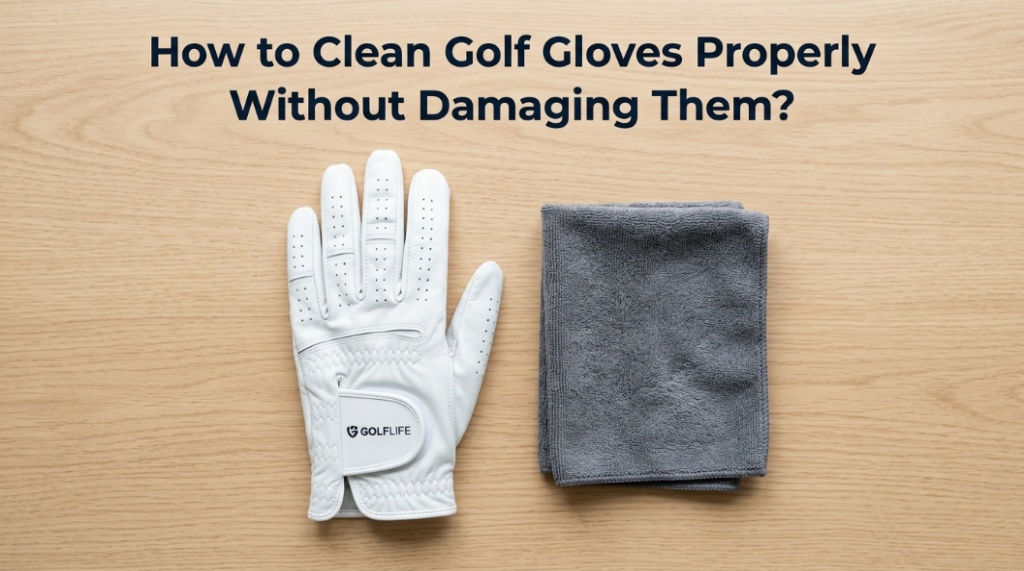
The safest way to clean golf gloves properly is to hand wash them in cold water with mild soap, gently scrub dirt with your fingers, rinse thoroughly, and air dry flat—never use heat or machine drying.
Why Cleaning Golf Gloves Matters More Than You Think
Your golf glove starts out soft, grippy, and perfectly fitted. Then after a few rounds, it turns stiff, sweaty, and slippery. That loss of grip doesn’t just feel bad—it directly impacts your swing control and shot consistency.
Most golfers either ignore dirty gloves or make a costly mistake: throwing them into a washing machine or drying them under heat. Both methods destroy leather fibers, shrink the glove, and reduce lifespan significantly.
How to clean golf gloves properly is about preserving grip, flexibility, and durability without weakening the material. Whether you use Cabretta leather gloves or synthetic blends, the wrong cleaning method can cut their lifespan in half.
According to golf equipment studies, a well-maintained glove can last up to 2–3x longer than one exposed to sweat buildup and improper washing. Dirt, oils, and moisture break down the material faster than actual play.
This guide gives you a step-by-step system to clean your gloves safely, extend their life, and maintain peak performance—without damaging them.
What is the best way to clean golf gloves at home?
The best way is gentle hand washing with cold water and mild soap, followed by air drying while maintaining the glove’s shape.
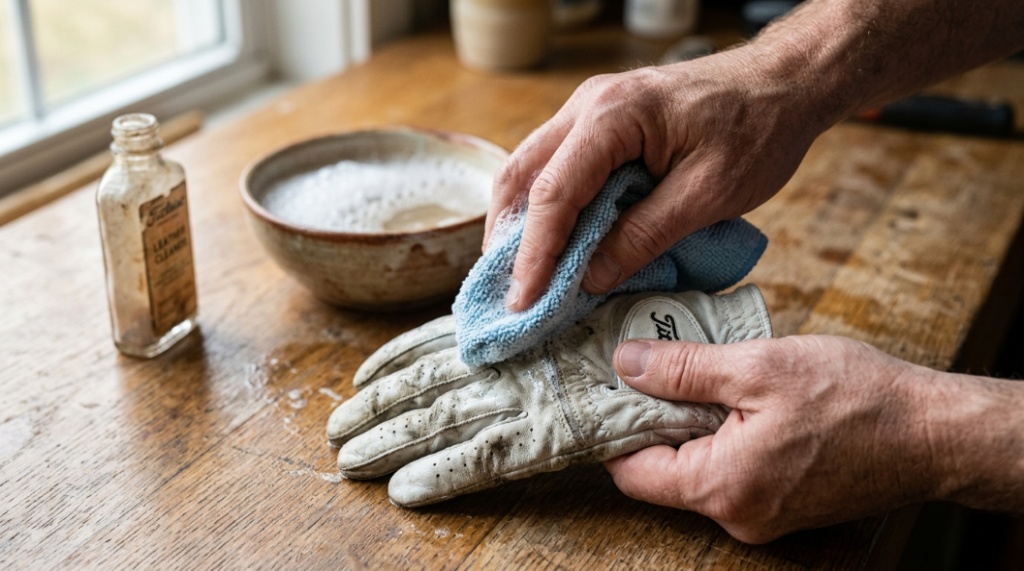
Cleaning golf gloves at home doesn’t require special tools. The key is avoiding harsh friction and heat. Here’s a simple method:
- Fill a bowl with cold or lukewarm water
- Add a small amount of mild detergent or hand soap
- Submerge the glove and gently massage dirt areas
- Focus on palm and finger grip zones
- Rinse thoroughly with clean water
- Press (don’t wring) to remove excess water
- Lay flat or wear briefly to reshape while drying
This process removes sweat, oils, and dirt while keeping the glove structure intact.
Can you wash golf gloves in a washing machine?
No, washing machines can damage golf gloves by stretching, tearing, or weakening the material.
Even on delicate cycles, machines create friction and agitation that leather gloves cannot handle. Synthetic gloves are slightly more durable, but still at risk.
Why machines are risky:
- High spin cycles distort glove shape
- Friction causes surface wear
- Heat exposure leads to shrinkage
- Velcro closure can snag or weaken stitching
If you value durability, always choose hand washing.
What type of soap is safe for golf gloves?
Use mild soap or detergent without harsh chemicals, bleach, or strong fragrances.
Golf gloves—especially leather ones—are sensitive materials. Strong cleaning agents strip natural oils, making them stiff and brittle.
Safe options include:
- Baby shampoo
- Hand soap (gentle formula)
- Mild laundry detergent
Avoid:
- Bleach-based cleaners
- Fabric softeners
- Dishwashing liquids with degreasers
These products break down fibers and reduce grip performance.
How do you dry golf gloves without shrinking them?
Air dry golf gloves naturally in a cool, shaded area while maintaining their original shape.
Drying is where most damage happens. Heat is the biggest enemy.
Correct drying method:
- Gently press water out using a towel
- Lay flat on a clean surface
- Keep away from direct sunlight
- Avoid heaters, dryers, or hair dryers
For best results, wear the glove for a few minutes while damp. This helps maintain a snug fit as it dries.
How often should you clean your golf gloves?
You should clean your golf gloves every 3–5 rounds or whenever they feel sweaty, stiff, or lose grip.
Frequency depends on usage and weather conditions.
- Hot weather: Clean more frequently due to sweat buildup
- Rainy conditions: Clean immediately after use
- Occasional play: Clean once every few weeks
Regular cleaning prevents permanent damage caused by salt and oils from sweat.
Does cleaning improve grip performance?
Yes, proper cleaning restores grip by removing oils and dirt that reduce friction.
When gloves get dirty, the surface becomes slick. Cleaning removes residue and restores the natural tackiness.
Golfers often replace gloves prematurely, thinking they’re worn out—when they just need cleaning.
Real-world example: Many amateur golfers report improved control and feel after cleaning gloves, especially in humid conditions.
Leather vs Synthetic Gloves: Does cleaning method differ?
Yes, leather gloves require more delicate handling, while synthetic gloves are slightly more durable but still need gentle care.
| Feature | Leather Gloves | Synthetic Gloves |
|---|---|---|
| Durability | Lower | Higher |
| Cleaning sensitivity | High | Moderate |
| Machine wash safe | No | Not recommended |
| Drying method | Strict air dry | Air dry only |
| Grip quality | Superior | Good |
Leather gloves offer better feel but need careful cleaning. Synthetic gloves last longer but still degrade under heat or harsh washing.
How do you remove bad odor from golf gloves?
Use mild soap cleaning and allow proper air drying to eliminate odor-causing bacteria.
Odor comes from sweat and bacteria buildup.
Extra odor removal tips:
- Add a small amount of vinegar to rinse water
- Dry in a well-ventilated area
- Store gloves in breathable spaces
Avoid storing gloves in golf bags immediately after use. That traps moisture and accelerates odor.
What are common mistakes when cleaning golf gloves?
The most common mistakes are using heat, harsh detergents, and machine washing.
- Using hot water
- Wringing the glove aggressively
- Drying under direct sunlight
- Using bleach or strong chemicals
- Ignoring cleaning until damage occurs
Each of these reduces glove lifespan significantly.
Can you extend the life of golf gloves with proper care?
Yes, proper cleaning and storage can extend glove life by up to three times.
In addition to cleaning, follow these practices:
- Rotate between multiple gloves
- Air dry after every round
- Store flat, not crumpled
- Avoid leaving in hot car interiors
Professional golfers often rotate gloves during rounds to maintain performance and longevity.
Conclusion: Clean Smarter, Play Better
Golf gloves are small but critical performance tools. When neglected, they lose grip, comfort, and durability quickly. The solution isn’t replacing them frequently—it’s maintaining them properly.
Learning how to clean golf gloves properly gives you a clear advantage: better grip, improved consistency, and reduced equipment costs.
Stick to simple rules—cold water, mild soap, gentle handling, and air drying. Avoid shortcuts like machine washing or heat drying.
If you want better control over your swing and more value from your gear, start treating your glove like an essential part of your performance system—not a disposable accessory.
Action step: Clean your current glove today using this method and compare the grip difference in your next round.
FAQ: How to Clean Golf Gloves Properly
Can I wash golf gloves with regular laundry?
No, washing golf gloves with regular laundry can damage them due to agitation, heat, and harsh detergents.
Is it safe to use warm water?
Use only cold or slightly lukewarm water, as hot water can shrink and weaken the material.
How long does it take for gloves to dry?
Golf gloves typically take 12–24 hours to air dry completely, depending on humidity.
Can I use a hair dryer to speed up drying?
No, heat from hair dryers can shrink and stiffen the glove, reducing flexibility and lifespan.
Why does my glove feel stiff after washing?
Stiffness occurs if the glove dried improperly or lost natural oils due to harsh soap or heat exposure.
Should I clean a brand-new glove?
No, new gloves do not need cleaning unless exposed to dirt or sweat after use.
What is the best way to store golf gloves?
Store gloves flat in a cool, dry place with airflow to prevent moisture buildup and odor.
📌 Related Reads
👉 Learn how to find stable fishing kayaks for large anglers easily


