How to Sharpen Garden Shears

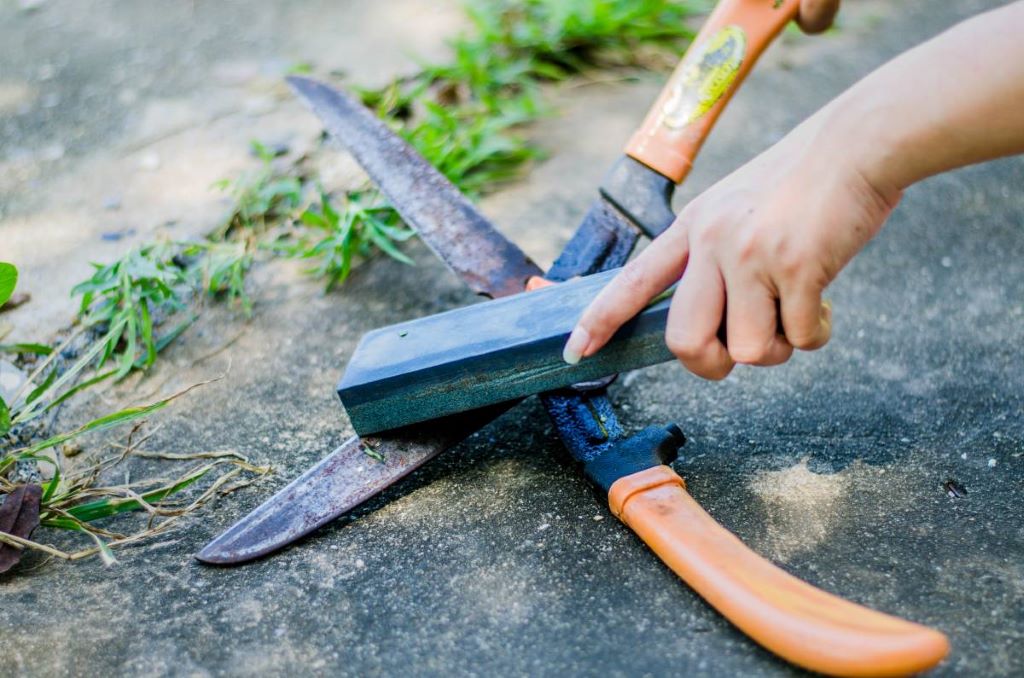
In the world of gardening, few tools are as essential as garden shears. Whether you’re a seasoned horticulturist or a casual gardener, having well-sharpened shears is paramount to the health and vitality of your plants. Dull shears not only make your gardening tasks more challenging but can also harm your plants by tearing and bruising rather than cleanly cutting. In this comprehensive guide, we’ll walk you through the process of sharpening your garden shears, ensuring they stay in top condition for seasons to come.

Creative Ideas for a Stunning Garden Makeover

With summer in full swing, you may be starting to feel like your garden is not as appealing as it could be. Your garden should feel like an outdoor haven for you and your family and offer a great space for outdoor activities. However, it is easy for a garden to become overgrown and the idea of giving it a makeover can be very daunting. However, there are some easy ways that you can breathe new life into your garden and turn it into an outdoor wonderland. In this article, we will discuss some of these tips so you can make your garden the envy of the neighbourhood.

Tips for Maximising the Potential of Your Garden Space

If you have recently moved into a new home, your garden should be looked at as a blank canvas waiting to be transformed into a versatile and captivating outdoor haven. Whether you have a large or small garden space, by implementing some creative ideas, you can make the most out of your space and create an inviting atmosphere that can be enjoyed by your friends and family. In this article, we will explore some features you can add to your garden to turn it into a functional and beautiful retreat.

How Long Do Peonies Take to Grow?

Welcome to our comprehensive guide on peonies, where we explore the question that has captivated the hearts of gardening enthusiasts and floral enthusiasts alike: How long do peonies take to grow? Peonies are renowned for their stunning beauty and delicate fragrance, making them a beloved addition to gardens and floral arrangements. In this article, we will delve into the various stages of peony growth, from planting to blooming, and provide you with valuable insights to help you successfully cultivate these remarkable flowers.

What to Consider While Choosing Best Outdoor Papasan Chair

Outdoor Papasan chairs are a great addition to any patio or backyard. They offer a comfortable and relaxing seating option for outdoor gatherings or just a peaceful afternoon in the sun. However, with so many different types of Papasan chairs available, it can be difficult to choose the right one. In this article, we’ll explore some key considerations to keep in mind when selecting the best outdoor Papasan chair for your needs.

Material

The first thing to consider when choosing an outdoor Papasan chair is the material it’s made from. Most chairs are constructed from either wicker or metal, with wicker being the most popular choice. Wicker chairs are typically made from synthetic materials that are designed to withstand exposure to the elements, while metal chairs are often coated with a rust-resistant finish to protect them from rust and corrosion.

Size

The size of your Papasan chair is also an important consideration. You’ll want to choose a chair that is large enough to comfortably fit the people who will be using it, but not so large that it takes up too much space on your patio or deck. It’s also important to consider the weight capacity of the chair, especially if you plan to use it with multiple people at once.

Comfort

Comfort is key when it comes to outdoor seating, and Papasan chairs are no exception. Look for chairs that have plenty of padding and support to ensure maximum comfort, even during extended periods of use. Additionally, consider the shape of the chair itself – some chairs have a more traditional rounded shape, while others have a more flattened design that provides a slightly different feel.

Style

Papasan chairs come in a wide range of styles, from traditional to contemporary. Consider the overall aesthetic of your outdoor space and choose a chair that complements it. If you’re looking for a more modern look, consider chairs with sleek, streamlined designs. On the other hand, if you prefer a more traditional look, opt for chairs with more ornate details and finishes. Check this out https://houseilove.com/bringing-the-outdoors-in-the-egg-chair-with-stand-indoor/.

Price

Papasan chairs can range in price from very affordable to quite expensive. It’s important to choose a chair that fits within your budget, but also provides the level of quality and comfort that you’re looking for. Consider the features and materials of each chair, and choose the one that offers the best balance of quality and value for your needs.

Durability

Finally, it’s important to choose a Papasan chair that is built to last. Look for chairs that are made from high-quality materials and designed to withstand exposure to the elements. Additionally, read reviews and ratings from other customers to get an idea of how well the chair holds up over time.

In conclusion, choosing the right outdoor Papasan chair requires careful consideration of a variety of factors, including material, size, comfort, style, price, and durability. By taking the time to consider each of these factors, you can find a chair that not only looks great in your outdoor space but also provides the comfort and relaxation that you’re looking for.

5 Design Ideas to Set Up a Backyard Studio

If you’re a creative professional or an art enthusiast looking for a dedicated space to work or create, backyard studios can be an excellent option. With a bit of creativity and careful planning, you can transform a small backyard or patio into a fully functional workspace that inspires and motivates you. Here are five design ideas to set up a backyard studio that fits your needs and style.

Interesting Facts About The Alocasia Green Dragon Plant

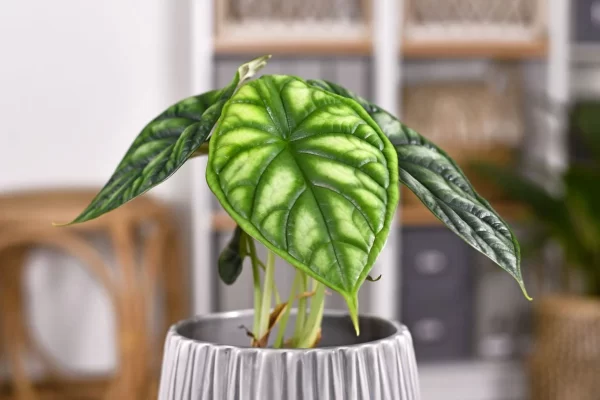
Alocasia Green Dragon is a plant from Southeast Asia. It has the ability to grow up to 5 feet tall in height and can be found in many homes due to its beauty, hardiness, and ease of care. Learn more about this interesting plant in this blog article!

What is an Alocasia Green Dragon?

An Alocasia Green Dragon is a type of succulent plant that is native to Southeast Asia. These plants are often used as houseplants because of their attractive appearance and easy care.

Alocasia Green Dragons are usually a light green color, but they can also be shades of brown or purple. Their leaves are oval-shaped and their flowers are small, violet-colored orbs.

The Alocasia Green Dragon is a type of succulent plant that is native to Southeast Asia. These plants are often used as houseplants because of their attractive appearance and easy care. Discover does polyester stretch?

How does it Grow?

The Alocasia Green Dragon plant is a succulent that grows best in warm climates.

The Alocasia Green Dragon plant is a succulent that grows best in warm climates. It can tolerate a wide range of temperatures, from the coldest parts of winter to the hottest parts of summer.

The Alocasia Green Dragon plant also enjoys moist, well-drained soil. Soil that is too wet or too dry will not do well for this plant.

The Alocasia Green Dragon plant can grow up to 2 feet (60 cm) tall, but it is typically much shorter.

Interesting Facts about Alocasia Green Dragon

1. Alocasia green dragon plants are some of the most unusual plants in the world.

2. They are often considered to be a type of succulent, although they are not technically a succulent.

3. They are natives to Madagascar and other parts of Southeast Asia.

4. Alocasia green dragon plants are often used in decorative purposes, such as in planters and as part of home gardens.

5. They are relatively easy to care for, and they can be kept indoors or outdoors.

6. The Alocasia green dragon plant typically grows to about 3 feet in height and 12 inches wide from the base.

7. The Alocasia green dragon plant is also an excellent houseplant, as it can withstand several degrees of frost.

8. It commonly produces offsets, which can be grown as a baby alocasia plants, or they can be used as a cutting for propagation purposes.

9. Although this plant does not produce flowers, it does have some interesting foliage compared to most houseplants that are indoor plants because of its green color and distinctive markings on the leaves.

10. There are numerous varieties of the A-green dragon plant; however, some of the best ones include: Malabar Alocasia. Do you know how much does a cast iron tub weigh?

Steps to care Alocasia Green Dragon

The Alocasia Green Dragon plant, also known as the Snake Plant or Philodendron, is a great addition to any home because of its many interesting facts. Here are some steps to care for this plant:

1) Water your Alocasia Green Dragon plant regularly, soaking the soil in between waterings. Let the soil dry between waterings.
2) Fertilize your Alocasia Green Dragon with a balanced fertilizer once a month during the growing season.
3) Remove dead leaves and flowers annually.
4) Prune back excess branches in late winter or early spring.

Conclusion

The alocasia green dragon plant is a rare and beautiful succulent that can be found in the wild only in Madagascar. These plants grow to be up to three feet tall and have large, glossy leaves with a variegated pattern of light and dark greens. The flowers on this plant are unusual as they are shaped like an upside-down triangle, which gives the plant its common name.

Garden Lights: A Shopping Primer

Lighting your garden takes it from a great place to hang out during the day, to a great place to hang any time.  A well designed and planned layout is the key to achieving a highly functional and attractive backyard.

You have many options when it comes to buying lights.  There are solar lights that do not need any wiring, LED (light-emitting diode) lights that need to be wired but only use a tiny amount of electricity, or traditional garden lights.  The choices can seem daunting, so read on to understand your options.

The normal installation of garden lighting is pretty straightforward and can be done in a weekend.  You have to decide if you want your lights to be on an automatic timer or a manual switch.  No serious electrical knowledge is necessary.

Planning

The best way to start designing and planning your lighting scheme is to draw an overhead view of your garden and make a few copies of it.  The drawing doesn’t have to be great, you just need to be able to see what different layouts will look like.  Spend some time drawing different layouts of lights to see what you like best.

Some things to keep in mind-

  • Can you still mow the lawn with lights in it?
  • Will there be enough sun for solar lights?
  • Are there any wires or pipes (drip system) in the area you need to run wires?
  • Where will the power source be?
  • Will the lights be in the way of the kids playing?

With your drawing and keeping these things in mind start your design.  Generally, you want your lighting setup to be symmetrical and the lights are an even distance apart.  Lighting pathways are probably the most common use of garden lights.  Some less common, but still attractive, ideas are-

  • Across the front of a raised bed garden.
  • Around the perimeter of the patio.
  • Encircling a garden statue.
  • Pointing lights straight up the base of the tree.
  • Lighting a plant that you are particularly proud of.
  • Rope light up a tree or in the branches.

What are you waiting for?  Start drawing!!

Shopping

Now that you have a plan and vision of what your garden lighting will look like, it’s time to go shopping!  Well, almost.  Let’s go over the different types of lights first.

Solar lights charge an internal battery with sunlight.  They generally come in two different setups: 1. Individual lights with their own solar cells (no wiring), or 2. Lights wired to a central solar cell.  Both types have their advantages.  A wired setup allows you to put the solar cell in the location that gets the most sun, but you have to deal with wires.  Individual lights with cells can be stuck in the ground and you’re ready, but some lights may not be charged by the time the sun goes down.

LED lights are always wired but draw a minute amount of electricity and put out a ton of light.  LED lights are extremely efficient and are considered “low voltage.”  These are very low maintenance.

Other systems have low wattage bulbs, wired in series.  These are the most common type of garden light but consume the most electricity.

Installation

Now that you have your plan and your lights, it’s time to get them in the ground.

Place your lights in the spots you wish, dig a hole for the wire to lay in (read manufacturers instructions for this, they vary), cover everything back up, repeat.

Now sit back and enjoy your handiwork.  Nice job!