
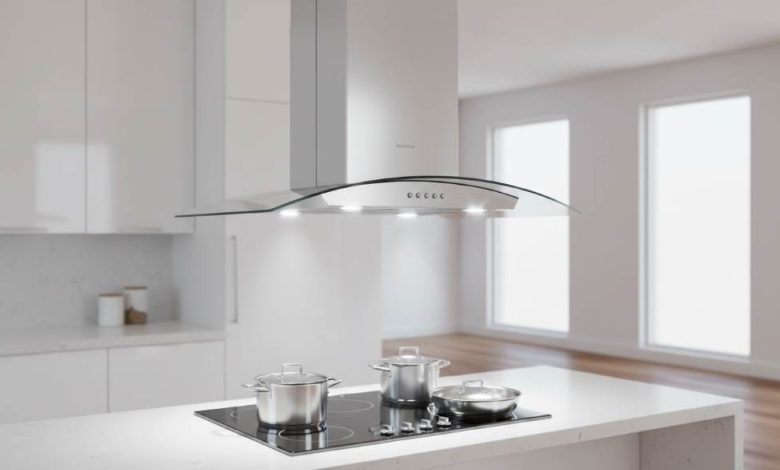
Picture this. You step into your kitchen after a long day, ready to whip up a favorite meal. Smoke fills the air, and odors linger far too long. A good range hood changes that story. It pulls away fumes, grease, and heat, keeping your space fresh and safe. For island setups in contemporary homes, a 30 inch island range hood fits perfectly over standard cooktops. Experts offer models that blend function with sleek looks. Recent data from the National Institutes of Health shows only 23 percent of range hoods fully cover front burners, leading to poor ventilation. Meanwhile, a study by Lawrence Berkeley National Laboratory reveals standard hoods capture just 30 to 40 percent of pollutants from those burners. With these facts in mind, selecting the right one matters more than ever for health and comfort.
Understanding Island Range Hoods
Island range hoods sit above cooking areas in open layouts. They differ from wall-mounted versions because no cabinets or walls support them. Instead, they hang from the ceiling, creating a focal point. This design suits modern kitchens where islands serve as gathering spots.
People often confuse them with under-cabinet hoods. But island models need stronger pull to handle air from all sides. They come in various shapes, like chimney or canopy styles. Each type affects how well they work and look. For example, a glass canopy adds light and openness.
Research from the American Society of Heating, Refrigerating and Air-Conditioning Engineers stresses proper ventilation reduces indoor pollutants. In fact, cooking releases particles that harm air quality without good exhaust. So, an island hood not only clears smoke but also protects your family’s lungs.
Key Factors in Selection
Choosing the best hood involves several steps. First, think about your cooking habits. Do you fry often or simmer gently? This guides power needs. Next, measure your space carefully. A mismatch leads to weak performance.
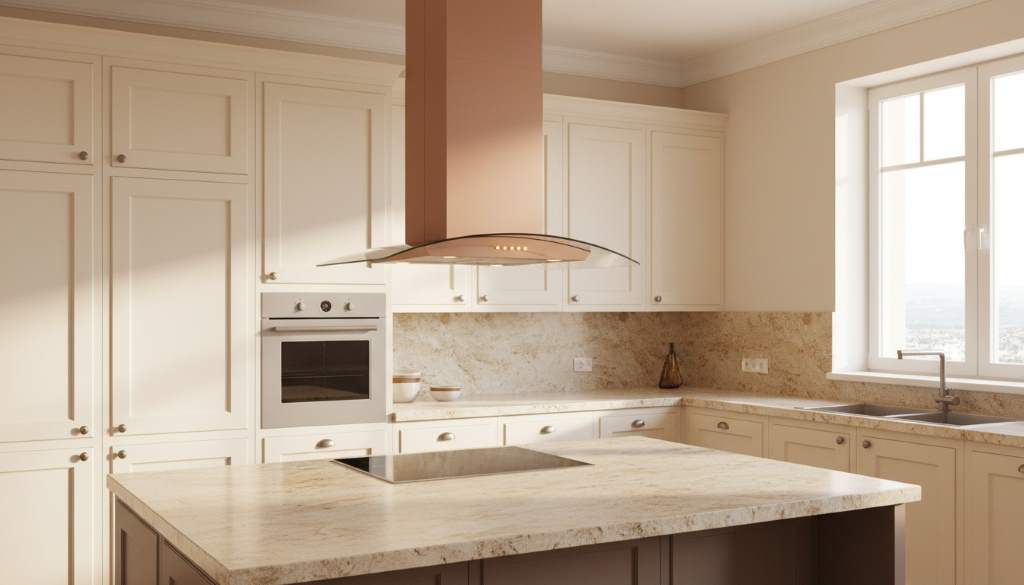
Additionally, consider materials that match your decor. Stainless steel offers durability and shine. Copper brings warmth for rustic vibes. Always check for easy-clean features too.
Moreover, balance aesthetics with function. A pretty hood fails if it lacks strength. Look at reviews from real users to see practical results. This way, you make a smart choice.
Size and Fit
Start with measurements. Your hood should extend beyond the cooktop edges. Experts recommend three inches on each side for best capture. For a 30-inch cooktop, aim for at least 36 inches wide.
However, island setups demand more coverage. Without walls, fumes escape easily. Measure ceiling height too. Low ceilings limit options. High ones allow dramatic designs.
Furthermore, check the depth. Most islands need hoods 24 to 30 inches deep. This ensures they grab rising heat effectively. A poor fit wastes energy and leaves grease behind.
Ventilation Types
Decide between ducted and ductless systems. Ducted versions vent outside, removing pollutants completely. They work best for heavy cooking.
On the other hand, ductless recirculate air through filters. Charcoal filters trap odors before pushing air back. This suits apartments without exterior vents.
Besides, some models convert between types. Flexibility helps if you move later. Recent studies show ducted systems cut indoor particles by up to 70 percent. Choose based on your home’s setup.
CFM and Power
CFM stands for cubic feet per minute. It measures air movement. Calculate needs by multiplying kitchen length, width, and height. Divide by four for minimum CFM.
For islands, add extra. The Home Ventilating Institute suggests 150 CFM per foot of cooktop width. So, a 30-inch setup needs at least 375 CFM.
In addition, consider burner strength. Gas stoves produce more heat than electric. Higher CFM handles that. But avoid overkill, as it pulls too much conditioned air.
Noise Levels
Quiet operation matters in open kitchens. Sones measure sound. One sone equals a quiet fridge. Aim for under three sones on low speeds.
Manufacturers now use better fans for less noise. Test in stores if possible. Reviews often mention real-world volumes.
Consequently, a noisy hood discourages use. Studies from the Forum for Family and Consumer Issues found people skip ventilation due to sound. Pick one that runs smoothly.
Materials and Finishes
Select durable materials. Stainless steel resists rust and cleans easily. It’s popular in modern spaces for its clean lines.
Alternatively, glass adds elegance but shows fingerprints. Powder-coated options provide color variety. Think about your kitchen’s palette.
Moreover, finishes affect light reflection. Matte reduces glare, while polished shines bright. Match to cabinets for unity. This creates a cohesive look.
Installation Height
Hang the hood 28 to 36 inches above the cooktop. Too low risks fire. Too high loses efficiency.
Measure from burners to bottom edge. Adjust for tall users. Safety codes require this range.
Additionally, secure mounting matters. Islands need strong ceiling support. Professional install ensures stability. Poor setup causes vibrations.
Features to Look For
Modern hoods offer handy extras. LED lights brighten cooking areas. They last longer than halogens.
Touch controls simplify operation. Some include timers for auto shut-off.
Furthermore, baffle filters catch grease better than mesh. They dishwasher-safe for easy care. Heat sensors boost fan speed automatically.
Matching to Modern Kitchen Styles
Today’s kitchens embrace warmth and personality. Trends for 2026 from the National Kitchen and Bath Association highlight earth tones and natural light. Your hood should complement this.
For minimalist designs, choose slim profiles. They keep sightlines open. In contrast, bold islands pair with statement hoods.
Additionally, integrate smart tech. Voice controls connect to home systems. This fits the push for intuitive spaces.
Trends in Design
Curved edges soften looks. They improve flow around islands. Organic shapes dominate, per Decorilla reports.
Colors shift to warm whites and caramels. Avoid stark grays. These create inviting atmospheres.
Moreover, unfitted layouts gain traction. Freestanding hoods add character. Mix materials for texture.
Blending Function and Aesthetics
A hood serves as art. Hammered metal adds patina. It ages gracefully.
Balance with countertops. Stone surfaces pair well with steel. This ties elements together.
Furthermore, consider lighting. Integrated spots highlight prep areas. They enhance mood too.
Installation Tips
Plan ahead for ducts. Exterior venting requires holes. Hire pros for complex runs.
Check electrical needs. Some hoods need dedicated circuits. This prevents overloads.
Additionally, level the unit. Uneven hangs affect performance. Use templates for accuracy.
DIY vs Professional Help
Simple installs suit handy folks. Follow manuals closely. Tools include drills and levels.
However, islands often need expertise. Weight demands sturdy anchors. Pros handle codes.
Moreover, test after setup. Run fans and check seals. Adjust as needed.
Maintenance and Care
Keep your hood working well. Wipe surfaces weekly. Grease builds fast.
Remove filters monthly. Soak in soapy water. Dry before replacing.
Furthermore, inspect ducts yearly. Blockages reduce efficiency. Clean vents outside too.
Common Issues and Fixes
Fans slow over time. Dust clogs motors. Vacuum gently.
Lights dim. Replace bulbs promptly. Use correct types.
Additionally, strange noises signal loose parts. Tighten screws. Call service if persists.
Common Mistakes to Avoid
Don’t undersize the hood. It fails to capture fumes. Always measure twice.
Ignore CFM needs. Weak power leaves air dirty. Calculate properly.
Moreover, skip venting options. Ductless works but ducted excels. Choose wisely.
Forget noise. Loud units annoy. Read specs carefully.
Overlook style. A mismatch ruins design. Blend seamlessly.
Benefits of Proper Ventilation
Good hoods improve air quality. They remove carbon monoxide and particles. Health improves.
Kitchens stay cooler. Heat escapes outside. Comfort rises during meals.
Additionally, walls last longer. Less grease means fewer stains. Cleanups ease.
Research from ROCIS notes cooking particles linger without hoods. Ventilation cuts risks.
Related:
Why the Toshiba Mini Rice Cooker Is Perfect for Small Kitchens & Dorms
Cooks actually recommend these kitchen gadgets
Case Studies from Real Kitchens
Take Sarah’s remodel. She picked a 30-inch ducted model. CFM matched her gas stove. Air cleared fast.
Her open layout benefited. No odors spread to living areas. Family gatherings improved.
Similarly, Mike chose stainless for his modern space. Quiet fans let conversations flow. He cooks more now.
These examples show smart choices pay off. Function meets style daily.
Advanced Technologies
New hoods use sensors. They adjust speeds automatically. Efficiency soars.
IoT connects to apps. Monitor from phones. Reminders for filter changes help.
Furthermore, swirling-flow designs capture 94 percent of pollutants. Energy saves 25 percent, per ScienceDirect.
These innovations fit 2026 trends. Smart homes demand them.
Environmental Impact
Better ventilation reduces energy waste. Variable speeds use less power.
Recyclable materials matter. Steel reuses easily. Choose eco-friendly brands.
Moreover, clean air helps indoors and out. Fewer emissions benefit all.
Studies push for mechanical systems. They cut pollutants significantly.
Conclusion
Selecting a 30-inch island range hood boils down to fit, power, and style. Measure your space, calculate CFM, and pick features that suit your life. Remember ventilation types and noise for daily ease. Match trends like warm tones and smart tech for a modern feel. Avoid common pitfalls like undersizing. With these steps, your kitchen transforms into a fresh, inviting hub. Ready to upgrade? Browse options and install one today for better cooking experiences.
FAQs
What CFM Do I Need for a 30-Inch Island Range Hood?
Aim for at least 375 CFM. This handles standard cooktops well. Factor in stove type and room size for accuracy.
Ducted or Ductless: Which Is Better for Islands?
Ducted vents outside for top performance. Ductless recirculates if venting isn’t possible. Choose based on your setup.
How High Should I Install My Island Hood?
Place it 28 to 36 inches above the cooktop. This balances safety and efficiency. Adjust for user height.
What Materials Work Best in Modern Kitchens?
Stainless steel offers sleek durability. Glass adds lightness. Match to your decor for harmony.
Can Smart Features Improve My Hood?
Yes, sensors auto-adjust fans. Apps track maintenance. They boost convenience and savings.
References