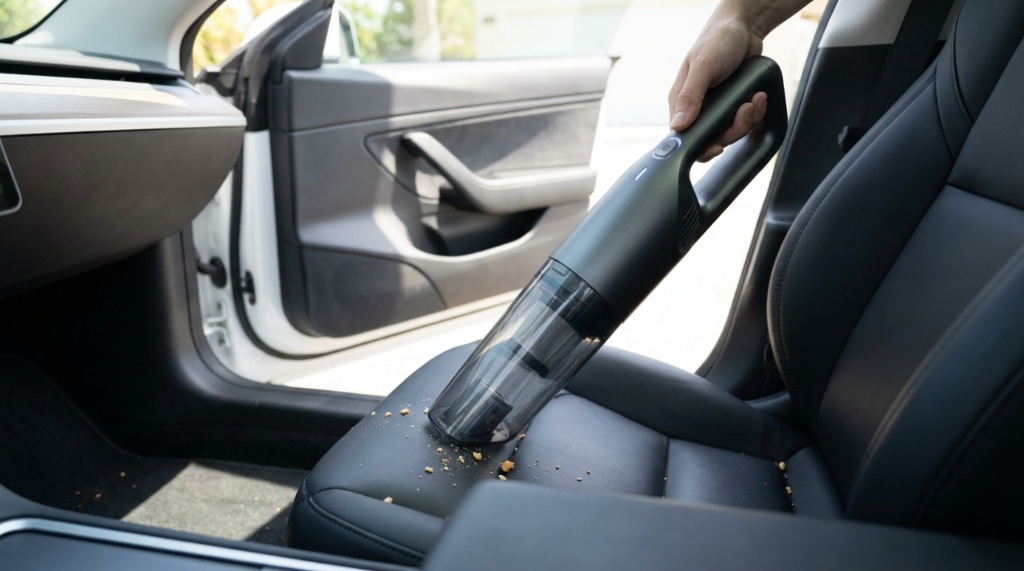
Few things are more frustrating than trying to clean your car’s interior with a bulky upright vacuum, a long extension cord, and a hose that refuses to reach the back seat. You end up wrestling with the cord, fighting static cling, and still missing the crumbs wedged between the seats. A cordless car vacuum solves this problem by giving you the freedom to move around the vehicle without hunting for an outlet. But with so many models on the market, how do you know which one is actually worth your money? This article breaks down the key features that matter, compares different use cases, and helps you choose the right tool based on how you actually clean your car.
Key Takeaways
- Battery runtime and suction power matter more than brand name when choosing a portable vacuum for car use.
- Compact stick vacuums with removable batteries offer the best balance of power and convenience for most drivers.
- Consider your specific cleaning habits—weekly maintenance, deep cleaning, or pet hair removal—before making a purchase.
- Filter type and bin capacity are overlooked factors that significantly affect long-term usability and maintenance.
- A good cordless model should handle both quick crumb pickups and more thorough interior detailing without leaving you stranded mid-clean.
What to Look for in a Cordless Car Vacuum
When you start comparing models, you will notice that specifications vary wildly between budget handhelds and premium stick vacuums. The cordless car vacuum market has expanded considerably in recent years, meaning there is now a model for nearly every budget and cleaning style. Rather than focusing solely on price or brand recognition, you need to understand which technical specifications actually translate to a better cleaning experience in a vehicle.
Suction Power and Motor Type
Suction is measured in air watts, Pascal (Pa), or just advertised as “high power,” which makes direct comparisons frustrating. In practical terms, you want a vacuum that generates at least 8,000 to 10,000 Pa of suction for everyday crumbs and dust. For embedded dirt in carpet or pet hair, look for models pushing 15,000 Pa or higher. Digital motors tend to be lighter and more efficient than traditional brushed motors, but they also cost more. Pay attention to whether the manufacturer lists actual suction ratings rather than vague marketing terms like “cyclonic power” or “turbine force.”
Runtime and Battery Design
Most cordless vacuums run between 15 and 40 minutes on a full charge. A typical car interior cleaning session takes about 10 to 20 minutes if you are being thorough. The problem is that running the vacuum at maximum power drastically reduces runtime. A model that offers 30 minutes on standard mode might only deliver 10 minutes on boost mode. Consider whether the battery is removable. Interchangeable batteries allow you to buy a spare and never worry about running out of power mid-clean. They also extend the overall lifespan of the vacuum since you can replace the battery instead of the entire unit.
Comparing Different Types of Cordless Car Vacuums
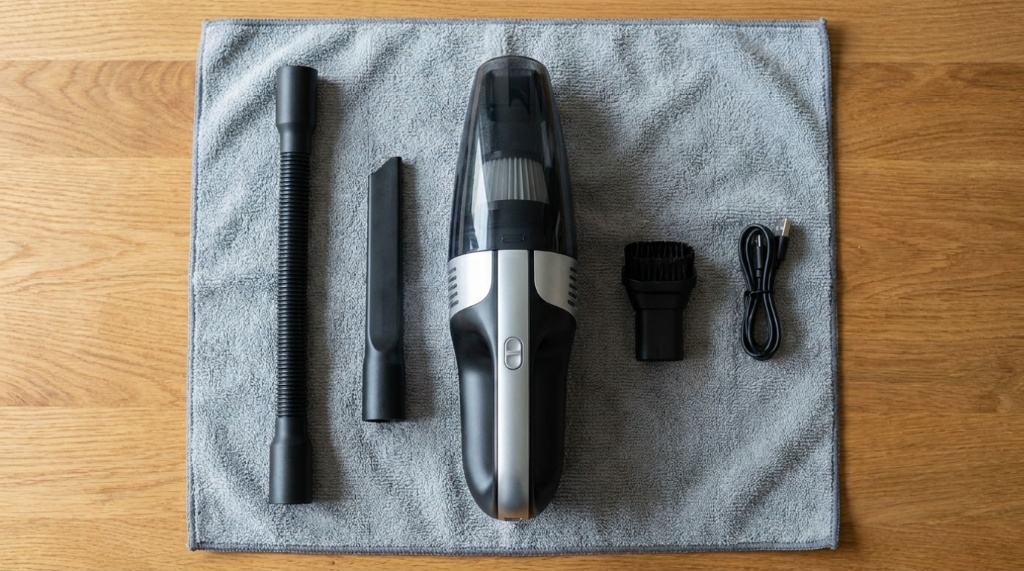
Not all cordless vacuums are created equal, and the best one for you depends heavily on how you use it. There are essentially three form factors to consider: handheld units, compact stick vacuums, and wet/dry vacuums. Each has its own set of trade-offs that make it better suited for certain scenarios.
Handheld Vacuums for Quick Cleanups
Handheld vacuums are the most portable option, easily fitting in a door pocket or trunk storage compartment. They are ideal for parents dealing with constant snack crumbs or commuters who want to quickly tidy up before a passenger gets in. To streamline your car cleaning workflows and facility management, learn more about industrial material handling systems through an Introduction to Vacuum Conveyors The downside is that most handhelds have smaller dust bins and weaker suction compared to larger units. If you let your car get seriously dirty between cleanings, a handheld will feel underpowered. However, for maintenance cleaning every few days, they are the most convenient choice.
Portable Stick Vacuums for Deep Cleaning
A compact stick vacuum with a detachable handheld mode offers the most versatility. The longer reach makes it easier to clean floor mats without bending over, while the detachable portion handles seats, cup holders, and tight crevices. These models typically have larger dust cups and more powerful motors than dedicated handhelds. The main consideration is storage — they take up more space in your garage or trunk than a simple handheld unit.
Wet/Dry Vacuums for Heavy Duty Needs
If you frequently deal with spills, wet messes, or heavy debris like mulch and gravel tracked into the car, a cordless wet/dry vacuum is worth considering. These units can handle liquids without damaging the motor, something standard vacuums cannot do. They tend to be bulkier and heavier, but they offer the most versatile cleaning capability. For families with young children or outdoor enthusiasts who regularly haul gear, this type of vacuum earns its place.
Considerations for Pet Owners and Allergy Sufferers
Pet hair is one of the most challenging things to remove from car upholstery. Standard suction alone rarely pulls embedded hair from fabric. Look for models that include a rubberized brush attachment or a motorized brush roll designed specifically to agitate pet hair loose. If you have allergies, the filter system becomes critical. A vacuum with a HEPA filter traps fine dust particles, pollen, and dander instead of blowing them back into the cabin air.
Filter Types and Maintenance
Most cordless vacuums use either foam filters, HEPA filters, or a combination of both. Foam filters are washable and cost less to replace, but they may not capture the finest particles. True HEPA filters provide better filtration but cost more and require more careful maintenance. Washable filters should be cleaned regularly to maintain suction performance. A clogged filter reduces airflow and makes the motor work harder, which drains the battery faster. Check whether replacement filters are readily available before purchasing, as some brands discontinue parts after a few years.
Practical Buying Decisions Based on Your Driving Habits
Your daily routine should determine which vacuum features matter most. A rideshare driver, a weekend off-roader, and a parent with young children all have different cleaning requirements. Before making a purchase, honestly assess how your car gets dirty and how often you clean it.
For Daily Commuters
If your car stays relatively clean and you just want to handle the occasional coffee spill or fast-food wrapper situation, a small handheld unit with at least 15 minutes of runtime is sufficient. Prioritize portability and ease of storage over maximum power.
For Families and Frequent Mess Makers
Families with kids generate crumbs, dropped snacks, and mysterious sticky spots on a regular basis. A compact stick vacuum with a motorized brush and a larger dust bin will make weekly cleaning manageable. Look for models with crevice tools that extend into tight spaces where Goldfish crackers tend to hide.
For Pet Owners
If you transport dogs or cats, prioritize rubber bristle attachments and strong suction. Pet hair embeds itself in carpet fibers and upholstery, requiring both airflow and agitation to remove effectively. A vacuum that does not include a pet-specific attachment will likely leave you frustrated.
The Importance of Maintenance and Longevity
Buying a quality vacuum is only half the battle. Proper maintenance extends the life of your tool and keeps it performing at peak efficiency. The most common cause of reduced suction in cordless vacuums is a dirty filter or a clogged hose. Make it a habit to empty the dust bin after every use. Wash the filter monthly, or more frequently if you vacuum up fine dust or drywall debris.
Battery care is equally important. Lithium-ion batteries degrade over time, and how you charge them affects their lifespan. Avoid leaving the vacuum on the charger for extended periods after it reaches full capacity. If your model has a removable battery, store it in a cool, dry place when not in use. Extreme heat, such as leaving the vacuum in a closed car during summer, accelerates battery degradation significantly.
Frequently Asked Questions
How long should a cordless car vacuum battery last?
Most cordless car vacuums run between 15 and 40 minutes per charge depending on the power setting. For average car cleaning, 20 to 30 minutes of runtime is sufficient. Models with removable batteries allow you to swap in a fully charged spare for extended cleaning sessions.
Is higher suction always better for car cleaning?
Not necessarily. While stronger suction removes embedded dirt more effectively, it also drains the battery faster and can make the vacuum harder to maneuver on delicate surfaces. A vacuum with adjustable power settings gives you flexibility — high suction for carpets and lower settings for upholstery or hard surfaces.
Can I use a regular home vacuum for my car?
You can, but it is inconvenient. Standard home vacuums require an electrical outlet, have long hoses that are awkward in tight spaces, and are too bulky to maneuver around seats and consoles. A cordless car vacuum is designed specifically for the confined space and portability needs of vehicle cleaning.
What is the difference between a wet/dry car vacuum and a regular one?
A wet/dry vacuum can safely pick up liquids without damaging the motor or electrical components. Regular vacuums should never be used on wet surfaces or standing liquid, as this poses an electrical hazard and can ruin the device. Wet/dry models are essential if you need to handle spills or clean wet floor mats.
How often should I replace the filter in my cordless car vacuum?
Washable filters should be cleaned every 1 to 2 months depending on usage frequency. Replaceable HEPA filters typically last 6 to 12 months before they lose effectiveness. Check your user manual for specific recommendations, and replace filters sooner if you notice a decline in suction power.
Conclusion
Choosing the best cordless car vacuum comes down to matching the tool to your specific cleaning habits. For quick maintenance and portability, a handheld unit with decent suction works well. For thorough cleaning of mats, seats, and carpets, a compact stick vacuum with a motorized brush offers better power and versatility. Pet owners and those dealing with frequent spills should prioritize rubber brush attachments and wet/dry capability. Whichever model you choose, remember that regular maintenance—emptying the dust bin, washing filters, and properly caring for the battery—will keep your vacuum performing well for years. Identify the features that matter most for your lifestyle, set a realistic budget, and choose a model that strikes the right balance between power, runtime, and convenience.