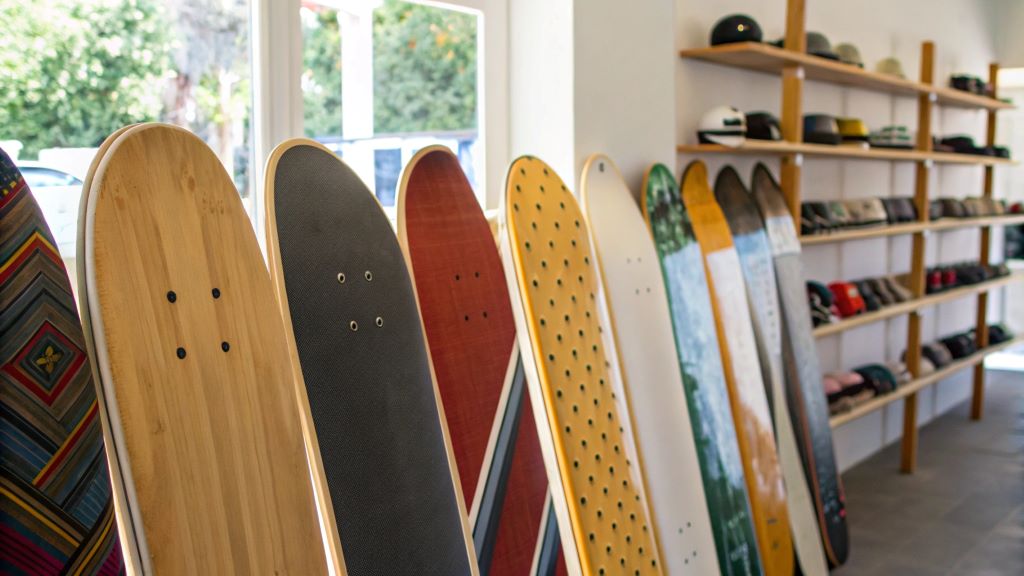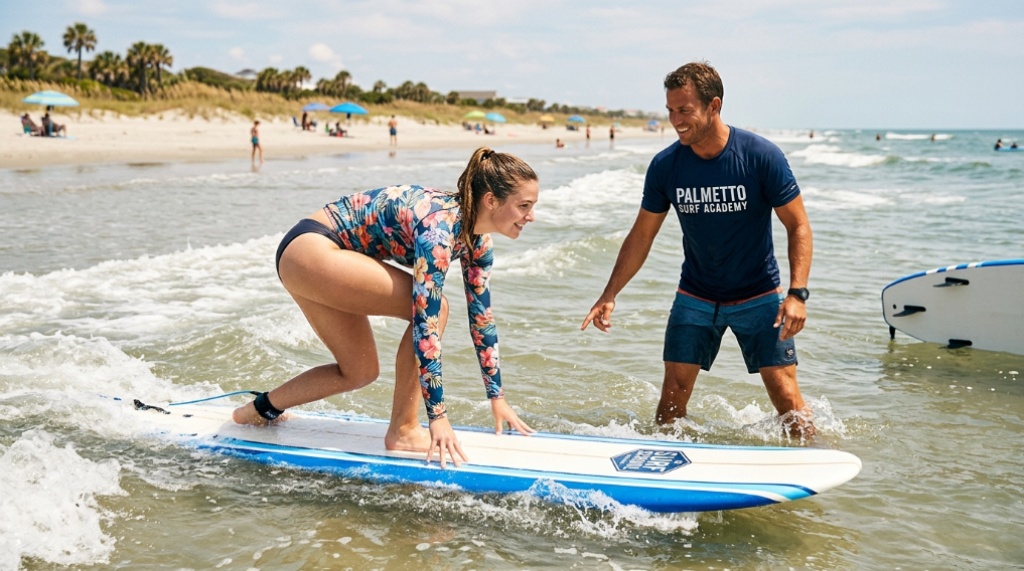
The South Carolina coast is a fickle but rewarding place to surf. One week you’re catching waist-high peelers in 80-degree water, and the next it’s flat for days. Knowing when to paddle out — by season, swell, and tide — makes the difference between a wasted trip and a memorable session. If you’re planning a surf trip or just getting into the sport here, the timing question comes up fast, and the small details matter as much as the big picture. For coastal essentials like TheSurfingVillage, sand socks included, gearing up for the season is part of the routine. Here’s what actually drives good surf along the Palmetto State.
Quick Answer
The best overall time to surf in South Carolina is fall (September through November), followed closely by winter for experienced surfers. Fall delivers the most consistent hurricane and tropical swell combined with warm water and manageable air temperatures. Winter produces the cleanest, most powerful waves but requires a full wetsuit. Spring is inconsistent, and summer is mostly small, warm, and crowded — though it still offers fun longboard days.
Key Takeaways
- Fall (Sept–Nov) is the sweet spot: warm water, offshore winds, and peak tropical swell activity.
- Winter produces the best-shaped waves but demands a 3/2 to 4/3 wetsuit and cold tolerance.
- Summer is the most forgiving season for beginners but the least consistent for size.
- Hurricane season (June–November) can deliver the biggest waves of the year, but safety and local closures matter.
- Regardless of season, tide and wind direction usually matter more than the calendar for a single session.
Why South Carolina Surf Timing Is Different
South Carolina doesn’t get the reliable groundswell that California or Hawaii does. Its waves come from a mix of sources: tropical systems far offshore, winter low-pressure systems pushing across the Atlantic, and occasional nor’easters. That means swell is event-driven rather than constant. You don’t surf South Carolina on a schedule the way you might surf a point break with a predictable season. You watch the forecast, then you go.
Two features shape the coastline’s surf more than anything else: the shallow continental shelf and the many jetties and inlets along the Grand Strand and Lowcountry. The shelf limits how much open-ocean energy reaches shore, which is why a storm 500 miles out may produce only knee-high waves. Jetties at places like Murrells Inlet and the Charleston harbor entrance can concentrate sand and create better-shaped peaks than the surrounding beach.
Season-by-Season Breakdown
Each season has a distinct personality. Understanding that personality helps you decide when to plan a trip and what board to bring.
Fall: The Prime Window
September through November is widely considered the best window. Water temperatures stay in the 70s well into October, air temps are mild, and the Atlantic hurricane season is peaking. Even when a storm stays out to sea, the long-period swell it sends can light up the entire coast. Offshore winds become more common as cold fronts push through, grooming the wave faces into clean, surfable lines.
The trade-off is unpredictability. A flat week can be followed by a solid overhead swell, and vice versa. If you have flexibility, keep an eye on the tropics and be ready to go when a system develops.
Winter: Best Shape, Coldest Water
December through February produces South Carolina’s cleanest and most powerful waves. Cold fronts sweeping off the continent generate steep, well-organized swell, and offshore winds are frequent. The downside is water temperature — often in the low 50s or even upper 40s — which calls for a 4/3mm wetsuit, booties, and possibly a hood on the coldest days. Crowds thin out dramatically, so if you don’t mind the cold, winter can offer uncrowded, high-quality surf. Beginners should approach winter cautiously; the cold water and stronger currents raise the risk level.
Spring: Hit or Miss
March through May is a transitional period. Water warms gradually, winds shift, and swell becomes less reliable. You can still catch good days, especially in March when leftover winter swell lingers, but consistency drops. This is a good time if you’re visiting and just want a chance at decent waves without committing to a winter wetsuit.
Summer: Small, Warm, and Crowded
June through August is the easiest season for beginners and the hardest for anyone chasing size. Waves are typically small — knee to waist high on average — but the water is bathtub-warm and the vibe is relaxed. Tropical systems can change everything overnight, producing the biggest waves of the year, but those events are sporadic. Expect more crowds at popular breaks like Folly Beach and the Myrtle Beach area, and plan around early mornings to beat both the heat and the lineup.
How Swell, Wind, and Tide Affect Your Session
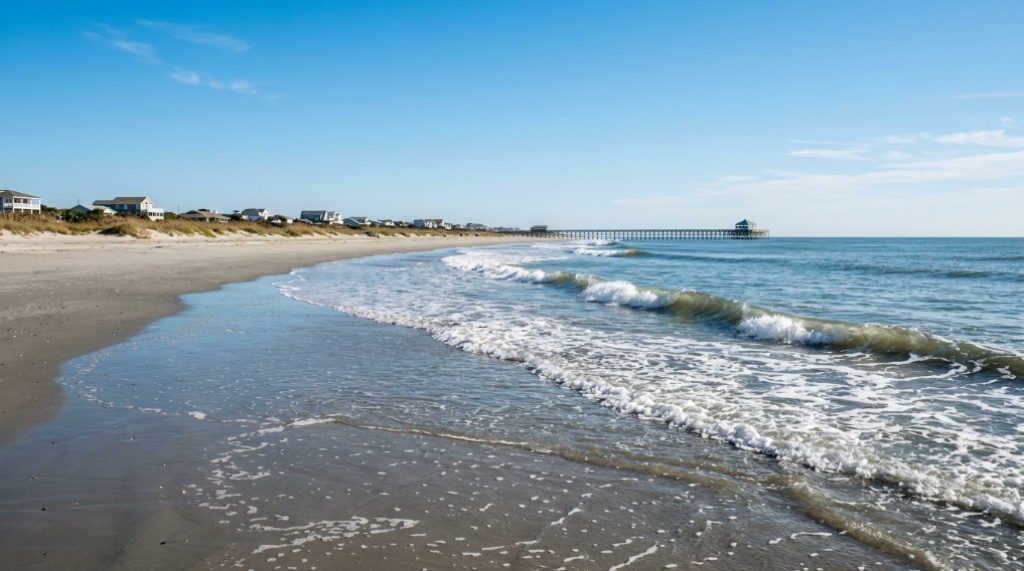
Season sets the baseline, but a single session’s quality is decided by three variables you can check the morning of.
Swell Direction and Period
South Carolina’s coast faces roughly southeast, so swell from the east through southeast tends to hit the beaches most directly. Long-period swell (10 seconds or more) generally produces better-shaped waves because the energy has traveled farther and organized itself. Short-period wind swell is choppier and weaker. Tropical systems far offshore are the classic source of long-period swell here.
Wind Direction
Offshore winds — blowing from land toward the ocean — groom wave faces and hold them up, producing cleaner, more hollow waves. In South Carolina, that usually means winds from the west or northwest. Onshore winds from the east or southeast create chop and mush. Cross-shore winds fall somewhere in between. Wind is often the deciding factor between a fun session and a frustrating one, Planning a trip to the coast for your next adventure? For an inspiring read on unexpected wave encounters, check out how Matthew Hayden Ex-Australia opener in surfing accident navigated his thrilling ocean experience.
Tide
Tide matters a lot on this coast because so much of the surf breaks over sandbars and near jetties. Many spots work best on a rising mid-tide, but it varies by location. Some breaks improve at high tide, others at low. Learning your local spot’s tide preference is one of the most useful things a South Carolina surfer can do. Check a tide chart before you paddle out, and note what worked so you can repeat it.
Beginner vs Experienced: Different “Best” Times
If you’re new to surfing, the best time is summer. Small, warm, forgiving waves let you practice popping up and paddling without the intensity of winter swell or the hazards of a hurricane swell. Fall can also work if you stick to smaller days and avoid storm-driven surf. Winter and major hurricane swells are best left to experienced surfers with the right equipment and water confidence.
If you’re experienced, fall and winter are where the payoff is. The waves are bigger, cleaner, and less crowded. The main cost is cold water and the need for a proper wetsuit setup. Many local surfers consider a solid fall run the highlight of the year.
Safety and Local Considerations
- Hurricane swell: Never paddle out during an active storm or when local authorities close the beach. Large, powerful swell from a nearby system can create dangerous rip currents.
- Rip currents: Common along South Carolina beaches, especially after storms. Know how to identify and escape one.
- Water quality: After heavy rain, runoff can affect water quality near inlets and outfalls. Check local advisories before surfing.
- Crowds and etiquette: Summer and fall weekends draw crowds at popular breaks. Respect the lineup and know basic priority rules.
- Wildlife: Sharks are present but encounters are rare. Avoid surfing at dawn or dusk near inlets and areas with active fishing.
Planning a Trip Around the Forecast
The most practical approach is to treat South Carolina surf as a forecast-driven activity rather than a calendar-driven one. Pick your season for water temperature and general swell odds, then watch the marine forecast for swell height, period, wind, and tide. A few days out, you’ll usually know whether a trip is worth it. If you live locally, keep a board ready and go when the window opens — the best sessions here are often the ones you didn’t plan weeks in advance.
Frequently Asked Questions
What is the most consistent month for surfing in South Carolina?
September is often the most consistent single month because hurricane season is active, water is still warm, and offshore winds become more frequent. October and November are close behind.
Can you surf in South Carolina in the winter?
Yes, and the waves are often the best of the year. You’ll need a 3/2 to 4/3mm wetsuit, booties, and possibly a hood. Water temperatures can drop into the upper 40s or low 50s.
Is summer a bad time to surf in South Carolina?
Not bad, just small. Summer is ideal for beginners and longboarders. Waves are typically knee to waist high, and the water is warm. Tropical systems can occasionally deliver big swell.
Do I need to worry about hurricanes when planning a surf trip?
You should monitor the tropics from June through November. Hurricane swell can produce the best waves of the year, but active storms and beach closures mean you should never surf during a system’s direct impact.
What tide is best for surfing in South Carolina?
It depends on the break. Many spots work best on a rising mid-tide, but some favor high or low. Learn your local spot’s preference by checking tide charts and noting what conditions produced good waves.
Where can I find gear for South Carolina surf conditions?
Local surf shops along the coast carry wetsuits, boards, and accessories suited to the region’s water temperatures and wave types. Match your gear to the season — warm-water boardshorts in summer, full wetsuits in winter.
Conclusion
Fall is the best all-around time to surf in South Carolina, offering warm water, consistent tropical swell, and favorable winds. Winter delivers the cleanest waves for those willing to brave the cold, while summer is best for beginners and casual sessions. Since swell here is event-driven, the smartest approach is to pick your season based on water temperature and swell odds, then watch the forecast closely. When the window opens, go — that’s how the best sessions happen on this coast.