You’ve just finished a grueling pickup game. Your feet are throbbing, your sneakers are soaked with sweat, and the last thing you want to do is stuff them into your gym bag next to your clean practice jersey and laptop. This is the daily dilemma that drives most players to search for a better solution. The answer lies in choosing a basketball backpack with shoe compartment a purpose-built bag designed to isolate your footwear from the rest of your gear. However, the market is flooded with options that range from flimsy drawstrings to bulky tactical packs, making the selection process overwhelming. This guide cuts through the noise, offering a practical framework based on durability, ventilation, fit, and organization to help you find a bag that survives the season and keeps your gear fresh.
What Makes a Basketball Backpack Different from a Standard Gym Bag?
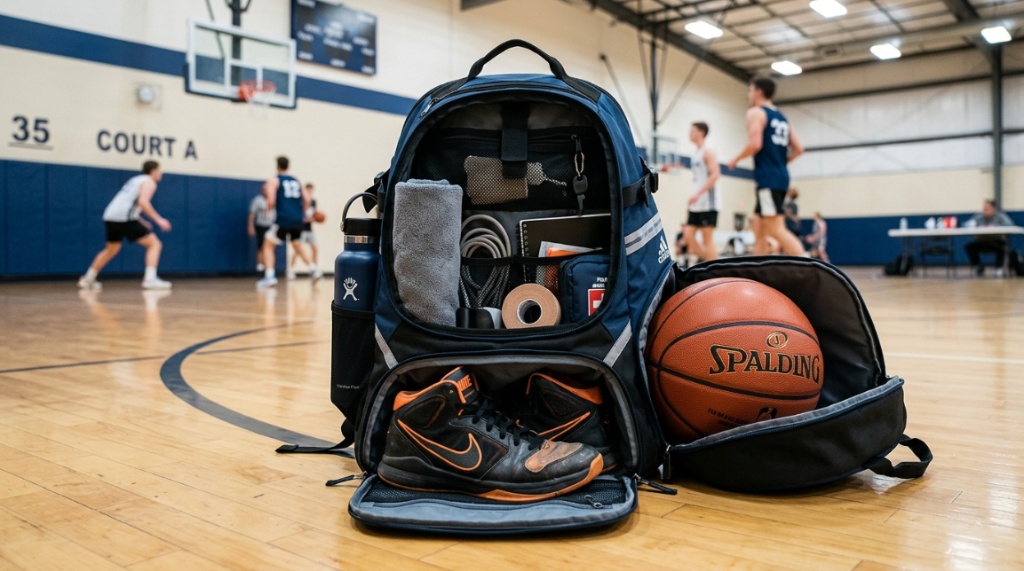
A standard gym bag is a simple catch-all. A basketball backpack with a shoe compartment is a specialized piece of equipment. It features a dedicated, isolated section at the bottom or side of the pack specifically designed to hold dirty, sweaty sneakers, preventing cross-contamination with your clean clothes, electronics, and books. This design also shifts weight distribution, making it more comfortable to carry heavy loads on your back rather than over one shoulder.
The Core Functional Difference: Isolation
The primary engineering distinction is the physical barrier between your shoes and the main compartment. The best models use a full-length fabric divider, not just a mesh pocket. This barrier prevents dirt, moisture, and odor from migrating upward. Look for a bag where the shoe area has its own zipper and is fully enclosed—this is the only way to guarantee that a muddy pair of size 15s won’t ruin your dry-fit shirt.
Weight Distribution: Carrying Comfort
When you place heavy sneakers at the bottom of a standard bag, the weight pulls backward and downward, straining your shoulders and lower back. In a dedicated design, the shoe compartment is positioned close to your lumbar spine. This keeps the center of gravity stable and reduces the “swinging” effect when you walk or bike to the gym. This ergonomic benefit is often overlooked but is crucial for players who carry laptops and textbooks alongside their gear.
Material Durability: Built for the Court
Basketball gear is heavy, and shoes have abrasive soles. A cheap backpack will tear at the seams within months. High-end models use ballistic nylon or high-denier polyester (typically 900D or higher) for the base. The shoe compartment specifically needs reinforced stitching and a waterproof interior coating to handle the moisture and friction. If the material feels like a standard school backpack, it’s likely too thin for regular court use.
Why Is Ventilation Critical in a Shoe Compartment?
The primary complaint about non-dedicated bags is the “gym smell” that permeates everything. This happens because bacteria thrive in dark, damp, and enclosed spaces. A proper basketball backpack with shoe compartment must include ventilation features—either mesh panels, air vents, or waterproof lining with anti-bacterial treatment—to promote airflow and inhibit odor-causing microbes. Without this, you are simply moving the problem from your locker to your back,
Looking to practice your outdoor moves after getting your gear sorted? Find Affordable Skate Ramps in Texas to test out your agility and board balance on local setups. Top 5 Basketball Backpacks Review
Identifying Airflow Features
Look for a breathable mesh panel on the exterior wall of the shoe compartment. This allows moisture to escape rather than condensing inside. Some premium bags add a small zippered vent that you can open to “air out” the shoe area while you walk. Additionally, check if the interior lining has a silver-ion or antimicrobial coating. These claims aren’t just marketing; they are chemical treatments that kill bacteria on contact, reducing the frequency you need to deep-clean the bag.
Cleaning Considerations for Hygiene
Ventilation helps, but you will still need to clean the compartment. A seamless, waterproof interior is non-negotiable. You should be able to wipe the inside of the shoe pocket with a disinfectant wipe without the liquid soaking into the fabric. If the compartment has seams that are taped or welded, this is a sign of high quality. Removable shoe bags are a bonus feature—they allow you to take the dirty pocket out and wash it separately.
How Should a Basketball Backpack with Shoe Compartment Fit Your Body?
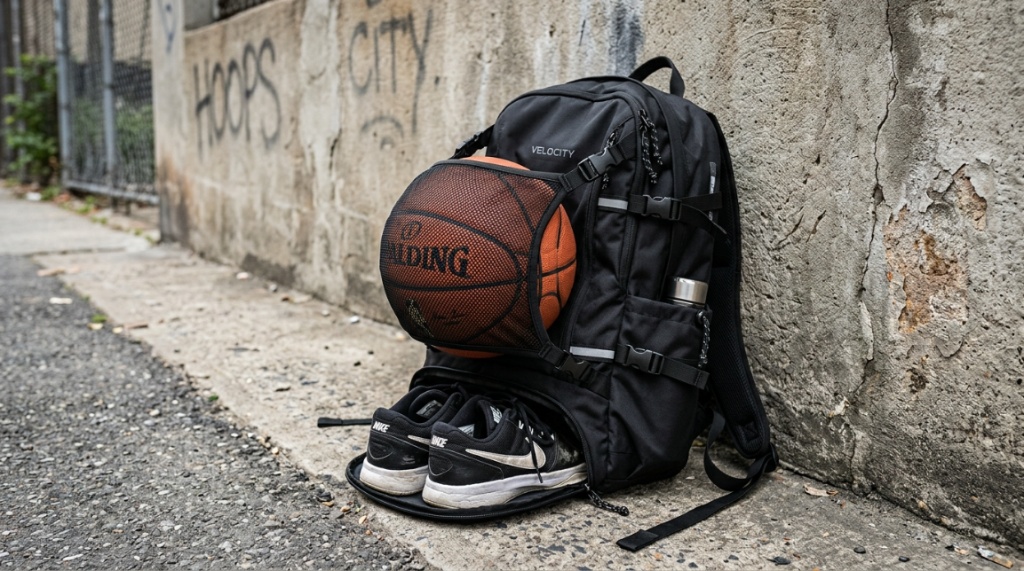
Proper fit is not just about shoulder strap padding; it’s about torso length and strap geometry. A bag that hangs too low will bounce during a sprint to the train, causing back pain. The ideal fit positions the top of the backpack at your shoulders and the bottom near your hip bones. The weight of the shoes should sit in the curve of your lower back, not on your glutes.
Adjustable Straps and Sternum Clips
You need padded S-curved shoulder straps that follow the natural contour of your shoulders, preventing lateral slipping. A sternum strap (the clip that connects across your chest) is essential for stabilizing the load when you are walking briskly or riding a bike. It pulls the straps inward, transferring weight from your shoulders to your torso. Test the adjustability range—if the straps are too short, a tall player will feel cramped; if too long, a shorter player will have straps digging into their armpits.
Back Panel Padding and Airflow
A flat back panel will cause sweating. Look for a contoured, foam-padded back panel with ventilation channels (often called an “Airflow Back System”). This keeps a channel of air moving between your back and the pack. While this doesn’t directly affect the shoe compartment, it ensures that you don’t finish your commute with a soaked shirt, which is a common reason players abandon backpacks for duffel bags.
Volume and Capacity: Matching Your Gear Load
Measure your daily carry. If you carry a 15-inch laptop, a change of clothes, and a pair of high-top sneakers, you need at least a 25-liter pack. If you carry textbooks or a separate pump and ball, you’ll need 30-35 liters. The shoe compartment itself should accommodate your shoe size without forcing the zipper to stretch. A manufacturer that lists “fits up to size 13” gives you a reference point. If you wear size 15, you need a bag with a longer vertical shoe pocket, not just a wider one.
Which Materials Offer the Best Durability and Weather Protection?
You will carry this bag through rain, snow, and blazing summer heat. The fabric must be water-resistant at minimum, and ideally waterproof on the bottom. The shoe compartment is the most vulnerable area because it’ is closest to the ground and splashes. Look for a TPU (thermoplastic polyurethane) coating on the base, which is a rubberized layer that repels water and resists abrasion from concrete floors.
Choosing Nylon vs. Polyester
Nylon is stronger and more abrasion-resistant, but it is more expensive. Polyester is lighter and better at retaining its shape, but it can tear more easily if snagged on a fence. For a basketball pack, a blend of 600D polyester for the main body and a 900D nylon base for the shoe compartment offers the best balance of weight and toughness. You can test this by feeling the fabric—grabbing a handful should feel thick, not papery.
Waterproofing and Zipper Quality
Waterproofing is a common point of failure. A coated zipper (like a YKK AquaGuard) is crucial for the shoe compartment. If you set the bag down in a puddle, the zipper is the first place water enters. Also, verify if the zippers are reverse-coil (the teeth face inward). This prevents dirt from getting stuck between the teeth, which is critical when you are shoving sandy shoes inside.
What Are the Different Compartment Configurations Available?
Not all shoe compartments are created equal. Some are top-loading (you drop the shoes from above). Others are front-loading (like a drawer). The configuration affects how you pack the bag. A front-loading compartment is easier to access but may reduce the main bag’s volume. A side-loading compartment is unique—it allows you to slide the shoes in horizontally, which is excellent for long boots but can be awkward for bulky basketball shoes.
The Standard Bottom Compartment
This is the most common design. A separate zip pocket occupies the bottom 4-6 inches of the backpack. It’s simple, keeps weight low, and works well for shoes up to size 12. The downside is that it can interfere with the main compartment’s space if the divider is not insulated to prevent bulging into your clothes.
The Vertical Side Compartment
Some bags have a shoe pocket that runs the full height of the side of the bag. This allows you to fit taller shoes and utilizes otherwise dead space on the sides. It also makes the bag more compact horizontally. However, this design shifts weight to one side, which can cause asymmetric strain on your back. It’s best for players who carry minimal items in the main compartment.
Removable Shoe Bags and Divider Systems
Premium bags offer a removable drawstring bag inside an external pocket. This gives you the flexibility to take the dirty shoe bag out, shake out the dirt, or wash it in a machine. Additionally, look for a pass-through divider inside the main compartment. This is a fabric wall with a zip that allows you to convert the shoe area into extra packing space when you aren’t carrying shoes, effectively giving you two bags in one.
How Do You Maintain and Clean a Backpack with a Shoe Compartment?
Cleaning a dedicated shoe backpack requires a specific routine. You cannot simply throw a high-quality pack in the washing machine. The waterproof coating and foam back panel will degrade. The key to maintenance is to prevent smells from forming in the first place. This involves drying the compartment after every use and using specialized cleaning agents designed for technical fabrics.
Daily Maintenance Routine
After removing your shoes, leave the shoe compartment unzipped and open for at least 30 minutes to air out. If possible, shake out loose dirt into a trash can. Wipe the interior with a dry microfiber towel to absorb residual moisture. This 2-minute habit prevents the need for deep cleaning later.
Deep Cleaning Methods
For deep cleaning, use a mixture of warm water and a small amount of Nikwax Tech Wash or a mild dish soap. Dip a soft brush (like a toothbrush) into the solution and gently scrub the interior of the shoe compartment and any dirty zippers. Hang the bag upside down to dry—this allows water to drain out of the seams rather than pooling in the bottom. Never machine wash it, as the agitation will break down the waterproof seal on the bottom,Most quality basketball backpacks with shoe compartment options have a TPU or PVC lining to ensure cleanliness.
Odor Elimination Solutions
Baking soda is your best friend for removing persistent odors. Sprinkle a thin layer of baking soda inside the shoe compartment and let it sit overnight. Vacuum it out the next morning. For tough, mildewy smells, a 50/50 solution of white vinegar and water sprayed inside the compartment is a natural antibiotic agent. Do not use bleach, as it will degrade the fabric and cause yellowing.
When Should You Upgrade to a Premium Basketball Backpack?
If you are playing recreationally once a week and walking from your car to the gym, a budget bag will suffice. But if you are a frequent player, a commuter, or a student who carries valuable electronics, the premium price is justified. The tipping point is usually around the $70-$90 price range. Below that, you often sacrifice some of the critical features—like durable zippers and water-repellent bases—that make the bag last.
Signs You Need a Replacement
If the zipper on your shoe compartment catches repeatedly, it will eventually break, rendering the compartment useless. If the fabric at the bottom feels thin and you can feel the sharp edges of your shoes through it, it’s about to tear. Also, if the odor has seeped into the internal foam lining, no amount of cleaning will remove the bacteria. At this point, upgrade to a model with a fully taped interior,Take control of your gear management now, and enjoy a cleaner, more comfortable commute to the court. For those ready to explore top-tier options, check out our curated list of the best basketball backpack with shoe compartment models designed for Texas players.
Price vs. Value: Analyzing the Features
A $40 bag might have a shoe compartment, but it typically lacks the airflow system and the durable base. A $100 bag will offer higher denier fabric, a lifetime warranty, and ergonomic straps. Calculate the cost per game. If you play 200 times a year, a $100 bag costs $0.50 per game. A $40 bag that lasts six months costs $0.65 per game and leads to the frustration of a broken zipper during the season. Consider the long-term utility.
Can a Basketball Backpack with Shoe Compartment Also Work as a School or Work Bag?
Absolutely. The best designs on the market are crossover packs. They are designed to look stylish enough for campus or the office while remaining functional for the gym. The primary feature that enables this crossover is the separation system—your laptop and folders have a designated padded sleeve that is isolated from the compression of the shoes. The external appearance is usually a clean, minimal design without flashy neon logos.
The Laptop Sleeve and Organization Panel
Check for a dedicated, padded laptop sleeve that is suspended from the top of the bag. This “floating” design protects your laptop from impact if you drop the bag. A good organizational panel with pen slots, key clips, and a phone pocket is essential to keep smaller items from getting lost at the bottom of the main compartment. A design that uses a false bottom is also vital—it prevents your laptop from slamming into the shoe compartment below.
Transitioning from Court to Office
Look for a bag that uses non-athletic colors like black, navy, or grey with minimal branding. Leather-trimmed handles or metal hardware can elevate the look. This allows you to go from a morning pickup game to a client meeting without looking out of place. The key is to check that the shoe compartment does not bulge into the main area when the shoes are packed, ruining the laptop’s flat surface.
How to Pack Your Basketball Backpack for Maximum Efficiency
Packing order matters. If you force your shoes in first, you may compress the space for your clothes. The optimal method involves a sequence that balances weight and protects fragile items. Start by packing the main compartment with your loose, soft items at the bottom (like a towel), then place heavier items (books, shoes in their compartment) closer to your back, and finish with the lighter, fragile items on top.
Step-by-Step Packing Guide
- Place your basketball shoes in the designated compartment, ensuring they are heel-first and laced. Push them down to compress the air out.
- Roll your dirty practice jersey and socks tightly and place them around the outside edges of the main compartment, not on top of your laptop.
- Place your laptop or tablet in the dedicated suspended sleeve.
- Put your water bottle in the side pocket (make sure it is dried off).
- Place heavier books and notebooks closer to the back panel, behind the laptop sleeve.
- Store your keys, wallet, and phone in the front organizational pocket for quick access.
Compression and Space-Saving Tricks
Use a compression sack for your laundry. This reduces the volume of your dirty clothes by up to 50%, leaving more room for equipment. Roll your clean clothes instead of folding them—this prevents wrinkles and saves space. If your bag has a pass-through sleeve on the back, slide it over the handle of your luggage for travel. This reduces the strain on your shoulders during long airport walks.
What Are the Top Features to Look for in High-End Basketball Backpacks?
High-end bags (usually over $100) introduce features that dramatically improve the user experience. These are not just gimmicks; they address specific pain points. Key features include magnetic buckles that allow one-handed opening, insulated cool pockets for a post-game protein shake, and structured bases that allow the bag to stand upright on its own. The latter is critical—a bag that falls over constantly will get dirty and damage gear.
The Self-Standing Base
When you get to the court, you toss your bag on the floor. If it doesn’t stand up, it rolls around and your gear shifts. A reinforced, rigid base (often made with a hard plastic insert) prevents this. This also protects the shoe compartment from wear and tear when you set it down on rough concrete. Test this in a store by placing the bag on the floor and gently pushing it forward—it should stay balanced.
Thermal-Insulated and Thermo-Shielded Compartments
Your shoes get hot, and your electronics should not. Some high-end bags add a thermal barrier between the shoe compartment and the laptop sleeve. This is a layer of aluminumized mylar or thick foam that acts as an insulator. It prevents the heat from your sweaty shoes from damaging your laptop battery or warping your tablet screen. This is a subtle but crucial addition for players who go straight from the sun-baked court to the library.
Hidden Anti-Theft Pockets
In a gym environment, your bag is left unattended. A lockable zipper system is a great security feature. Look for a lock that attaches the main zipper pulls together. A hidden slash-proof pocket on the back panel (the side against your back) is also excellent for storing your wallet and phone, as pickpockets cannot access it without you noticing. This small detail adds a layer of security that standard bags lack.
Frequently Asked Questions
Can any basketball backpack hold size 15 shoes?
No. Most standard shoe compartments fit up to a size 12 or 13. For larger sizes, you must look for a backpack with an extended vertical shoe pocket or a front-loading pocket that allows longer shoes to slide in diagonally. Always check the product specifications for the maximum shoe size listed by the manufacturer.
How do I stop my basketball shoes from smelling in the bag?
You need to combine ventilation with moisture absorption. After each game, air out the shoe compartment for at least 30 minutes. Do not leave your shoes in a closed bag overnight. Use a silica gel packet or charcoal shoe deodorizer inside the compartment overnight. Clean the interior with a vinegar solution weekly to kill bacteria.
Is it safe to put a laptop in the same backpack as basketball shoes?
Yes, if the backpack has a dedicated, padded laptop sleeve and a rigid divider separating that sleeve from the shoe compartment. The purpose of the shoe compartment is to isolate the footwear, so there should be no physical contact. However, you should also ensure the laptop sleeve is suspended to prevent impact damage if you drop the bag.
How often should I wash my basketball backpack?
You should spot clean the exterior and interior every two weeks if you use it daily. However, a full deep clean (soaking with mild detergent) should only be done monthly. Avoid using the washing machine, as this breaks down the waterproof coating and can warp the backpack’s frame. Always hand wash to preserve the integrity of the materials.
Are waterproofed shoe compartments necessary?
Yes, it is a critical feature. Even if you don’t play in the rain, your shoes are soaked with sweat. A waterproof or water-resistant coating prevents that sweat from seeping into the rest of the bag and into your clothes.
What is the best size for a daily-use basketball backpack?
For daily use, a 25-30 liter capacity is optimal. This size is large enough to fit a 15-inch laptop, a change of clothes, a pair of shoes, and a small ball or pump. Anything smaller than 25 liters will struggle to fit full-size gear, and anything above 35 liters becomes too bulky for daily commuting.
Are there backpacks with removable shoe compartments?
Yes, some premium models offer a removable shoe sleeve or bag that sits inside a dedicated pocket. This allows you to lift the dirty shoe pouch out to wash it separately or to use the space for additional cargo when you aren’t carrying shoes. This dual-purpose design adds unmatched flexibility, though it often adds a little weight.
Conclusion
Selecting the right basketball backpack with shoe compartment is a decision that impacts your daily convenience, your gear’s lifespan, and your comfort during transit. The key factors include a robust physical divider, proper ventilation, breathable yet durable materials, and a fit that distributes weight effectively. By focusing on the specific features we discussed—like waterproof zippers, self-standing bases, and removable shoe bags—you can elevate your game-day routine. Avoid impulse buying a cheap pack that lacks a rigid base; instead, measure your shoes, count your daily tech items, and choose a model that fits your lifestyle. Take your time to research and invest in a quality bag that will survive several seasons.