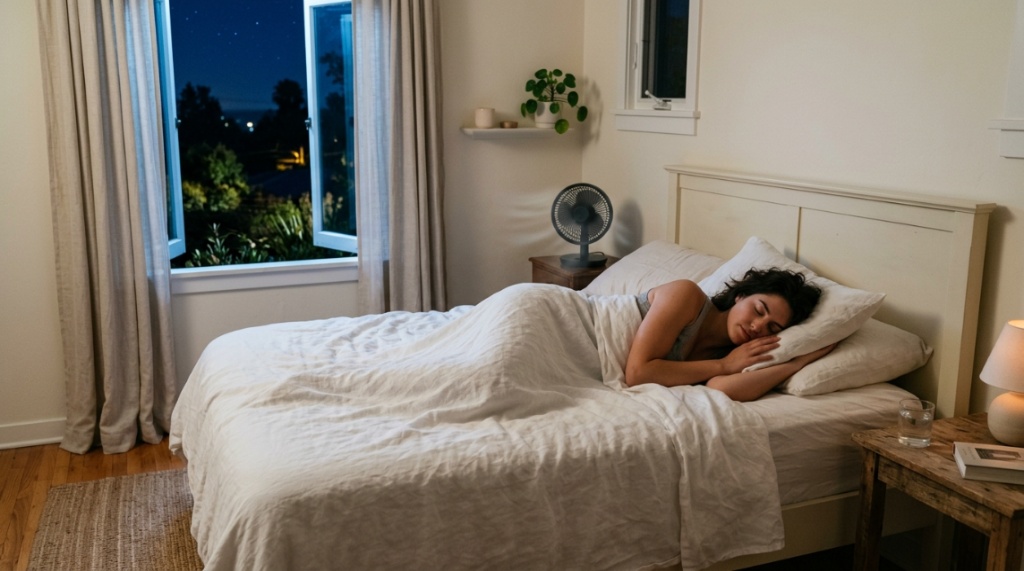
Washington’s unique climate—from humid summers in Western Washington to dry, intense heat east of the Cascades—makes sleeping cool a real struggle. Many residents assume that staying cool at night requires a $2,000 air conditioning unit or expensive high-tech bedding. That assumption is wrong. You can achieve a comfortable, cool sleep environment without breaking the bank.
The Hidden Cost of Hot Sleep
When you sleep hot, your body struggles to regulate core temperature. This leads to restless nights, morning fatigue, and even increased stress levels. Many people rush to buy expensive cooling gadgets, but the real solution is often much simpler and cheaper.
Why Washington Summers Are a Unique Challenge
Western Washington’s humidity traps heat indoors, while Eastern Washington’s dry heat requires different cooling strategies. A one-size-fits-all approach rarely works. Understanding your specific regional climate is the first step to finding budget-friendly cooling solutions.
The Budget-Friendly Mindset Shift
Instead of focusing on expensive technology, prioritize materials and airflow. Cooling sheets, breathable pillows, and strategic airflow management cost a fraction of high-end cooling systems. This shift in thinking saves you money without sacrificing comfort.
What Are the Most Affordable Cooling Sleep Products Available in Washington?
The most budget-friendly cooling sleep products include bamboo-based sheets, phase-change material (PCM) pillows under $40, and lightweight cotton or linen duvets. These products regulate temperature effectively without requiring a premium brand name.
Bamboo Sheets: The Under-$50 Miracle
Bamboo-derived rayon sheets are naturally breathable and moisture-wicking. A set typically costs between $25 and $45, comparable to standard cotton. Look for “100% bamboo rayon” labels to ensure genuine cooling properties. Avoid microfiber blends, which trap heat.
Cooling Pillows Under $30
A cooling pillow doesn’t need to cost a fortune. Shredded memory foam pillows with breathable covers or buckwheat hull pillows (often under $25) provide excellent airflow. The key is the cover material—look for “cool-touch” or “outlast” fabric without paying for the brand name.
Lightweight Duvets and Comforters
A lightweight down-alternative comforter with a cotton cover can cost under $40. The fill power (loft) matters less than the cover fabric. For humid regions like Seattle, a cotton duvet filled with hollow fibers allows moisture to escape quickly.
How Can You Choose the Right Cooling Product for Your Washington Home?
Choosing the right cooling product depends on your specific Washington microclimate, your mattress type, and your personal sleep temperature. For humid areas, prioritize moisture-wicking. For dry heat, focus on air circulation.
Identify Your Washington Climate Zone
Western Washington (Seattle, Tacoma, Olympia) experiences high humidity. Eastern Washington (Spokane, Tri-Cities) has dry heat. Humidity requires materials that pull moisture away from your skin, like bamboo or Tencel. Dry heat benefits from lightweight cotton or linen that allows air to circulate freely.
Match Products to Your Mattress
Memory foam mattresses trap heat more than innerspring or latex mattresses. If you have memory foam, a bamboo mattress pad ($20–$35) can drastically reduce heat retention. For innerspring mattresses, a thin cotton mattress topper is sufficient.
Read Labels for Cooling Technology
Look for specific terms: “phase change material” (PCM), “outlast,” “bamboo rayon,” “Tencel lyocell.” These indicate genuine cooling properties. Avoid vague terms like “cooling technology” without material specifics.
Which Bedding Materials Actually Help You Sleep Cool?
The best cooling bedding materials for Washington are bamboo rayon, Tencel lyocell, lightweight cotton percale, and linen. These fabrics excel at wicking moisture and promoting airflow, unlike polyester or microfiber which trap heat.
Bamboo Rayon vs. Cotton Percale
Bamboo rayon feels silky and wicks moisture exceptionally well. Cotton percale (a tight weave) feels crisp and breathable but doesn’t wick moisture as aggressively. For humidity, choose bamboo. For dry heat, percale cotton often feels cooler to the touch.
Tencel Lyocell: The Eco-Friendly Option
Tencel is made from eucalyptus pulp and has superior moisture management. It’s often slightly more expensive than bamboo but stays cooler in extreme humidity. A Tencel pillowcase under $12 can transform your sleep experience.
Linen: Perfect for Dry Heat
Linen is highly breathable and feels cool against the skin. It’s ideal for Eastern Washington’s dry climate. Linen sheets can be more expensive, but a single linen duvet cover (around $30) provides excellent cooling without replacing your entire bedding set.
Can Cheap Cooling Pillows Really Work in Washington’s Climate?
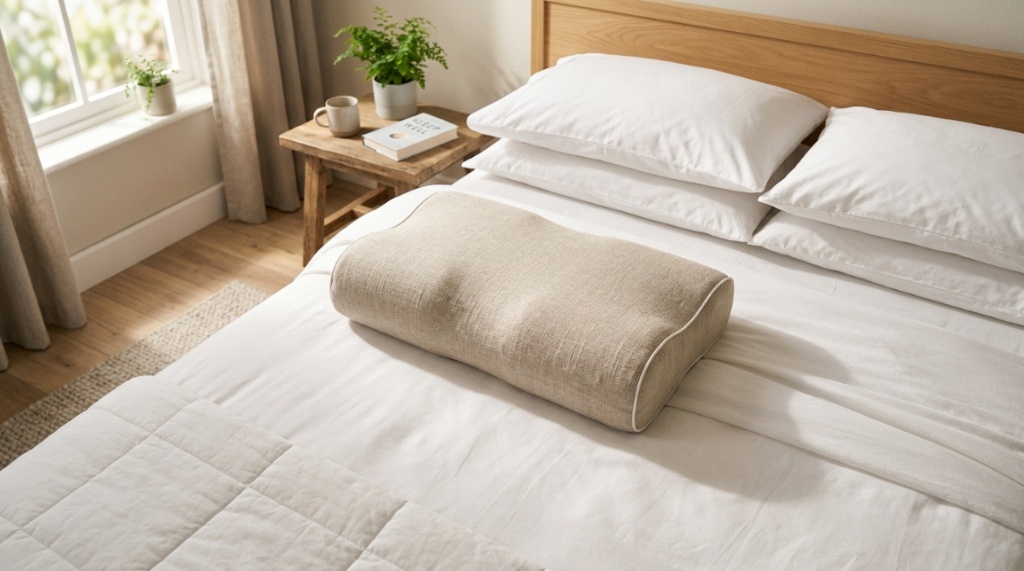
Yes, cheap cooling pillows can work effectively. The trick is to avoid synthetic fills like polyester fiberfill and choose natural or hybrid fills. Buckwheat hull pillows ($15–$25) are naturally cooling because the hulls allow air to pass through freely.
Buckwheat Hull Pillows: The Undisputed Budget Champ
These pillows cost $15–$25 and provide constant airflow. The hulls conform to your head shape without trapping heat. They are heavy and make a slight rustling noise, but the cooling effect is unmatched at this price point.
Shredded Memory Foam with Cooling Covers
Shredded memory foam pillows cost $20–$35. The shredding allows better airflow than solid memory foam. Pair them with a bamboo or cotton cover for added breathability. Avoid pillows with “cooling gel” layers unless they are under $30, as the gel often wears out quickly.
Down Alternative Pillows: A Risky Choice
Down alternative pillows (polyester clusters) can be cheap ($10–$15) but often trap body heat. If you choose this route, ensure the cover is 100% cotton and the fill is “hollow fiber” rather than solid polyester clusters.
When Is the Best Time to Buy Cooling Sleep Products in Washington?
The best time to buy cooling sleep products in Washington is during late spring (May) and early summer (June) when retailers run Memorial Day and pre-summer sales. You can save 20–50% on cooling sheets, pillows, and mattress toppers,When managing night sweats and warm summer temperatures without central air conditioning, upgrading your sleep setup makes all the difference. Pairing strategic bedroom ventilation with a supportive, temperature-regulating pillow such as a LOFE Buckwheat Pillow for Allergy-Free, Healthy Sleep allows air to circulate naturally around your head and neck for a deeper, cooler rest.
Seasonal Sales Cycles
Memorial Day, Fourth of July, and Labor Day weekends feature deep discounts on sleep products. August is the worst time to buy because demand peaks. Plan your purchases around these holidays to maximize savings.
End-of-Season Clearance
In September, retailers clear out summer inventory at drastic discounts. You can find bamboo sheets and cooling pillows for 60% off. The downside is limited color and size options, but the cooling performance remains unchanged.
Online Flash Sales
Websites like Amazon and Walmart run “Deal of the Day” events. Signing up for price alerts on cooling pillows or sheets can save you 30–50% if you are patient. Use tools like CamelCamelCamel to track price drops; conditioning and upgrading your sleep setup makes all the difference. Pairing strategic bedroom ventilation with a supportive, temperature-regulating pillow such as a LOFE Buckwheat Pillow for Allergy-Free, Healthy Sleep allows air to circulate naturally around your head and neck for a deeper, cooler rest.
How Do You Maximize Cooling Without Spending Extra Money?
You can maximize cooling without spending a dime by optimizing your bedroom’s airflow and insulation. Simple strategies like opening windows at night, using ceiling fans, and closing blinds during the day dramatically improve sleep temperature.
Window and Fan Strategies
Open windows on opposite sides of your bedroom to create cross-ventilation. Place a box fan in one window facing outward to exhaust hot air. This costs nothing and can lower the room temperature by 5–7 degrees Fahrenheit.
Heat Reduction During the Day
Close blinds and curtains during the day, especially on south-facing windows. Use reflective window film (under $10 at hardware stores) to block UV rays. This prevents heat buildup so your bedroom stays cooler at night.
Remove Heat-Trapping Items
Remove thick area rugs, heavy drapes, and upholstered headboards during summer. These items trap body heat and prevent airflow. A bare floor and simple bed frame allow air to circulate freely.
What Natural Cooling Alternatives Exist for Washington Residents?
Natural cooling alternatives include using a damp cloth on your forehead, taking a cool shower before bed, and applying ice packs to pulse points. These methods cost nothing and can lower your core body temperature effectively.
The Cool Shower Technique
Take a lukewarm shower (not cold) 30 minutes before bed. Your body continues to cool down after the shower, reaching the ideal sleep temperature by bedtime. Cold showers actually constrict blood vessels and can make you feel hotter later.
Ice Pack or Chillow Alternatives
Place a frozen water bottle wrapped in a thin cloth near your feet or on your neck. The feet and neck have high blood flow, so cooling these areas quickly lowers your core temperature. A Chillow (water-filled cooling pad) costs $15–$25 and works similarly.
Breathable Sleepwear
Wear loose-fitting cotton or bamboo pajamas. Avoid synthetic sleepwear. If you sleep naked, ensure your sheets are breathable. Naked sleeping in synthetic sheets can actually make you sweat more due to lack of wicking.
How to Build a Complete Budget Cooling Sleep System
Building a complete budget cooling sleep system costs under $80. Start with bamboo sheets ($30), a buckwheat hull pillow ($20), and a cotton lightweight duvet ($25). Pair these with fan-based airflow and you have an effective cooling system.
The $80 Budget Sleep Setup
Itemize your purchases: Bamboo sheet set ($30), buckwheat hull pillow ($20), cotton lightweight duvet or quilt ($25), and a box fan ($15 from a thrift store). This system works for most Washington summers.
Prioritize Investment
Spend the most on sheets and pillows, as these have direct skin contact. Skimp on the duvet (a thin cotton blanket works fine). Avoid expensive mattress toppers unless your mattress is very old.
Pairing Products for Best Results
Use bamboo sheets with a cotton duvet cover for maximum breathability. Place the buckwheat pillow under a standard pillowcase. This combination provides layered cooling without overlapping costs.
For a curated list of specific, tested products that fit this budget-friendly approach, check our recommendations on affordable cooling sleep products Washington.
What Are the Common Mistakes People Make with Budget Cooling Products?
Common mistakes include buying “cooling” sheets that are actually polyester blends, ignoring the importance of pillow covers, and washing cooling products with fabric softener. These errors ruin the cooling properties of otherwise good products.
Mistake 1: Falling for “Cooling” Marketing
Many brands label polyester sheets as “cooling” because of a thin print coating. Authentic cooling comes from the weave and fiber type, not a chemical treatment. Always check the fabric composition label before buying.
Mistake 2: Skipping Pillow Protection
A good cooling pillow can be ruined by a non-breathable pillow protector. Use a cotton or bamboo pillow protector (under $5). Avoid vinyl or polyester protectors, which trap heat and moisture.
Mistake 3: Over-Washing
Bamboo and Tencel sheets should be washed in cold water and dried on low heat. High heat destroys the fibers’ ability to wick moisture. Fabric softener clogs the fibers, reducing breathability by up to 30%.
Frequently Asked Questions
What is the most affordable cooling pillow under $30?
A buckwheat hull pillow costs $15–$25 and provides constant airflow. It’s the most budget-friendly cooling pillow option available. Look for unbleached hulls with a cotton cover.
Do bamboo sheets really keep you cool in Washington humidity?
Yes, bamboo rayon sheets are highly effective in humidity. They wick moisture away from the skin and dry quickly. They are often more effective than cotton in Western Washington’s humid summers.
Can I use a regular fan instead of a cooling mattress pad?
Yes, a box fan or ceiling fan lowers the room temperature and helps evaporate sweat. This can be more effective than a cooling mattress pad, especially in dry climates. In humid areas, combine fan with moisture-wicking sheets.
Are cooling mattress toppers worth it for memory foam beds?
Yes, but only if you choose a gel-infused or bamboo-based topper under $40. Thick memory foam toppers can actually trap more heat. A thin cooling topper improves air circulation between you and the mattress.
How often should I wash cooling sheets to maintain performance?
Wash cooling sheets every one to two weeks in cold water. Avoid bleach and fabric softener. Drying on low heat preserves the moisture-wicking fibers. Over-washing reduces cooling effectiveness over time.
Is a cooling blanket necessary for Washington summers?
Not necessary, but helpful. A lightweight cotton or linen blanket works as well as a branded “cooling blanket” costing $50 more. The key is breathable fabric and loose weave.
Can I use an ice pack in bed without damaging my mattress?
Yes, wrap a sealed ice pack in a thin cotton cloth. Place it on your feet or neck, not directly on the mattress. Moisture from condensation can damage memory foam or innerspring mattresses if not protected.