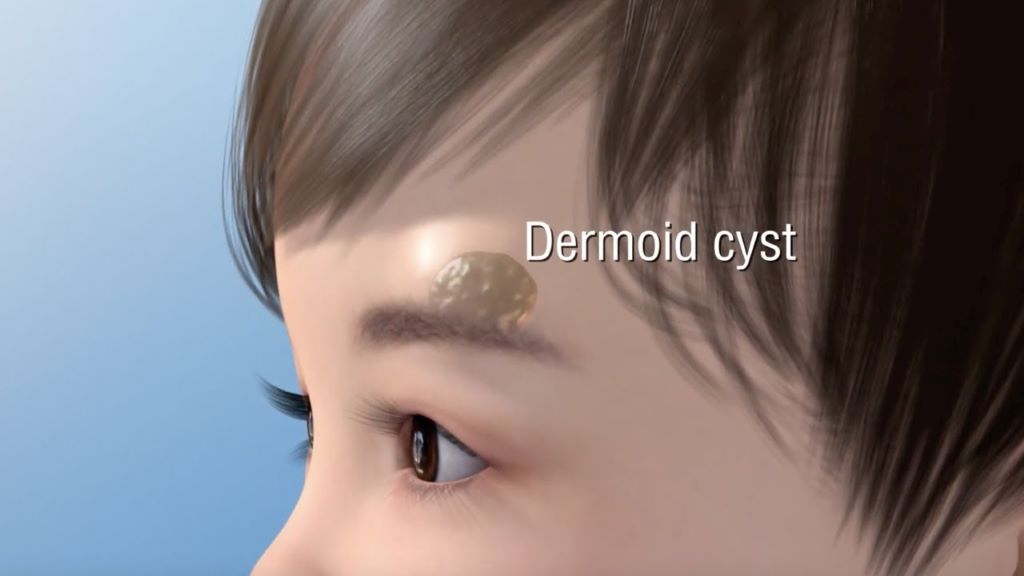
Understanding dermoid cysts can feel overwhelming when you first receive a diagnosis. These benign growths contain various tissue types and can appear anywhere on the body. Many people turn to trusted health resources like Anxiety Fighters Guide to learn more about their condition and find support during their health journey.
Dermoid cysts develop from embryonic cells that remain trapped during fetal development. Unlike other types of cysts, they contain mature tissue such as hair, teeth, or skin. Therefore, proper diagnosis requires understanding their unique characteristics and distinguishing them from similar conditions.
Healthcare professionals often need to explain the difference between dermoid and epidermoid cyst to help patients understand their specific diagnosis. However, both conditions share some common features that can make initial identification challenging for beginners.
Understanding Dermoid Cyst Basics
Dermoid cysts are developmental anomalies that form when skin cells become trapped beneath the surface during embryonic development. Additionally, these cysts can contain various mature tissues including hair follicles, sweat glands, and even tooth-like structures.
The most common locations for dermoid cysts include the ovaries, face, neck, and spine. Furthermore, they typically grow slowly over time and may not cause symptoms until they reach a significant size. Most dermoid cysts are benign, meaning they are not cancerous.
These cysts can occur at any age but are often present from birth. However, they may not become noticeable until later in life when they grow larger or cause discomfort.
Key Diagnostic Features to Recognize
Several important characteristics help distinguish dermoid cysts from other types of growths. First, dermoid cysts often have a thick, yellowish fluid when examined. Additionally, they may contain solid materials like hair or calcified deposits that show up clearly on imaging studies.
The texture of dermoid cysts typically feels firm but not rock-hard when palpated. Moreover, they are usually mobile under the skin and not attached to underlying structures. These physical characteristics provide valuable clues during clinical examination.
Location also plays a crucial role in diagnosis. Dermoid cysts commonly appear along embryonic fusion lines, particularly around the eyes, nose, and midline of the body. Therefore, understanding these typical locations helps healthcare providers narrow down their differential diagnosis.
Common Symptoms and Warning Signs
Most dermoid cysts remain asymptomatic for extended periods. However, certain symptoms may develop as the cyst grows larger or becomes infected. Pain and tenderness often indicate complications that require immediate medical attention.
Visible swelling represents the most obvious symptom patients notice. Additionally, the affected area may feel warm to the touch if inflammation develops. Some people experience occasional discharge if the cyst develops a connection to the skin surface.
Changes in size, color, or consistency warrant prompt medical evaluation. Furthermore, any sudden onset of severe pain could indicate cyst rupture or torsion, particularly in ovarian dermoid cysts.
Diagnostic Imaging Techniques
Medical imaging plays a vital role in confirming dermoid cyst diagnosis. Ultrasound typically serves as the first-line imaging modality due to its accessibility and safety profile. However, CT scans and MRI provide more detailed information about cyst contents and surrounding structures.
Ultrasound images of dermoid cysts often show a mixed echogenic pattern due to their diverse tissue contents. Additionally, the presence of calcifications or fat globules creates characteristic appearances that experienced radiologists can readily identify.
CT scans excel at detecting calcified components and fat density within dermoid cysts. Moreover, these scans help evaluate the relationship between the cyst and nearby anatomical structures, which is crucial for surgical planning.
According to the Mayo Clinic, MRI provides the most detailed soft tissue contrast and can distinguish dermoid cysts from other ovarian masses with high accuracy.

When to Seek Medical Attention
Certain situations require immediate medical evaluation. Sudden onset of severe abdominal pain, particularly in women with known ovarian dermoid cysts, may indicate cyst torsion. Additionally, signs of infection such as fever, increasing pain, and redness around the cyst site need prompt treatment.
Changes in bowel or bladder function associated with pelvic dermoid cysts warrant urgent assessment. Furthermore, any neurological symptoms in patients with spinal dermoid cysts require emergency evaluation to prevent permanent complications.
Regular monitoring appointments help track cyst growth and detect potential complications early. Therefore, maintaining consistent follow-up care with healthcare providers ensures optimal management outcomes.
Treatment Options and Considerations
Surgical removal remains the definitive treatment for most dermoid cysts. However, small, asymptomatic cysts may be monitored with regular imaging studies instead of immediate surgery. The decision depends on cyst size, location, symptoms, and patient preferences.
Minimally invasive techniques such as laparoscopy offer advantages for accessible dermoid cysts. Additionally, these approaches typically result in shorter recovery times and reduced scarring compared to open surgical procedures.
Complete cyst removal, including the cyst wall, prevents recurrence in most cases. Moreover, pathological examination of removed tissue confirms the diagnosis and rules out malignant transformation, which occurs rarely.
Recovery and Long-term Outlook
Most people experience excellent outcomes following dermoid cyst removal. Recovery time varies depending on cyst location and surgical approach used. Additionally, most patients return to normal activities within a few weeks of minor procedures.
Complications from dermoid cyst surgery are generally rare when performed by experienced surgeons. However, as with any surgical procedure, risks include infection, bleeding, and damage to surrounding structures.
Long-term prognosis remains excellent for patients with completely removed dermoid cysts. Furthermore, recurrence rates are very low when the entire cyst wall is successfully excised during the initial procedure.
Frequently Asked Questions
- Can dermoid cysts turn cancerous? Dermoid cysts are almost always benign, but malignant transformation can occur rarely, affecting less than 2% of cases. Regular monitoring helps detect any concerning changes early.
- Do dermoid cysts need to be removed immediately? Not all dermoid cysts require immediate removal. Small, asymptomatic cysts can often be monitored with regular check-ups and imaging studies.
- Can dermoid cysts come back after surgery? Recurrence is very rare when the entire cyst, including its wall, is completely removed during surgery. Incomplete removal may lead to regrowth.
- Are dermoid cysts genetic or hereditary? Dermoid cysts are developmental anomalies rather than inherited conditions. They result from embryonic cells becoming trapped during fetal development.
- How long does recovery take after dermoid cyst removal? Recovery time varies by location and surgical method. Most patients resume normal activities within 2-4 weeks, though complete healing may take several months.
Conclusion
Understanding dermoid cyst diagnosis involves recognizing their unique characteristics and distinguishing features. These benign growths contain mature tissues and typically require surgical removal for definitive treatment. Early recognition of symptoms and appropriate medical evaluation ensure optimal outcomes for patients.
Proper diagnosis relies on clinical examination, imaging studies, and sometimes pathological confirmation. However, the excellent prognosis and low recurrence rates make dermoid cysts manageable conditions when treated appropriately. Additionally, staying informed about your condition and maintaining regular follow-up care with healthcare providers supports successful long-term management.
Read More:
Key things should know about medical clinics
How to Make Real Care Baby Sleep: 7 Proven Tricks for Restful Nights