

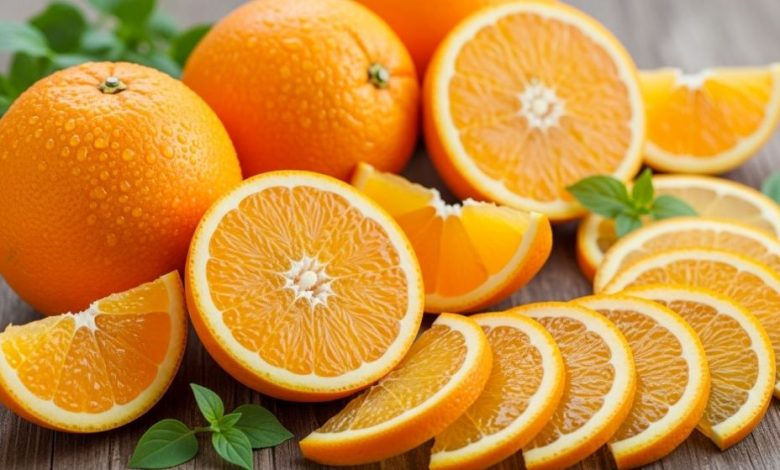
Oranges offer more than just refreshing flavor and vibrant color. These citrus fruits contain powerful compounds that fight oxidative stress in your body. Understanding how oranges combat cellular damage can help you make better dietary choices for long-term health.
Oxidative stress occurs when harmful molecules called free radicals overwhelm your body’s defenses. This imbalance damages cells, proteins, and DNA over time. However, the antioxidants in oranges provide natural protection against these destructive processes.
Understanding Oxidative Stress and Its Health Impact
Free radicals form naturally during normal metabolic processes in your body. Additionally, environmental factors like pollution, cigarette smoke, and ultraviolet radiation increase free radical production. These unstable molecules steal electrons from healthy cells, causing a chain reaction of damage.
When oxidative stress persists, it contributes to numerous health problems. Chronic inflammation develops as your body struggles to repair ongoing cellular damage. Furthermore, oxidative stress accelerates aging and increases disease risk. Scientists link it to heart disease, cancer, diabetes, and neurodegenerative conditions.
Your body produces its own antioxidants to neutralize free radicals. Nevertheless, modern lifestyles often create more oxidative stress than internal defenses can handle. Therefore, consuming antioxidant-rich foods like oranges becomes essential for maintaining cellular health.
Powerful Antioxidants Found in Oranges
Vitamin C stands out as the most abundant antioxidant in oranges. A single medium orange provides over 90 percent of your daily vitamin C requirement. This water-soluble vitamin neutralizes free radicals throughout your body’s fluids and tissues.
Flavonoids represent another crucial group of antioxidants in oranges. Hesperidin, the primary flavonoid in oranges, demonstrates strong anti-inflammatory properties. Similarly, naringenin and quercetin contribute additional protective benefits. These compounds work together synergistically for enhanced effects.
Carotenoids give oranges their characteristic color while providing antioxidant protection. Beta-cryptoxanthin, the main carotenoid in oranges, converts to vitamin A in your body. Additionally, it offers unique anti-inflammatory benefits distinct from other antioxidants.
How Vitamin C in Oranges Fights Oxidative Damage
Vitamin C directly neutralizes various types of free radicals before they harm cells. This antioxidant donates electrons to unstable molecules without becoming harmful itself. Consequently, vitamin C prevents the chain reactions that amplify oxidative damage.
Beyond direct antioxidant action, vitamin C regenerates other antioxidants in your body. It restores vitamin E after this fat-soluble antioxidant neutralizes free radicals. Moreover, vitamin C supports glutathione production, your body’s master antioxidant. This cooperative effect multiplies overall antioxidant capacity.
Regular vitamin C intake from oranges supports your immune system’s oxidative stress response. White blood cells use high concentrations of vitamin C during infections. Therefore, consuming oranges helps your body manage the oxidative stress that accompanies immune responses.
Flavonoids and Their Unique Antioxidant Properties
Hesperidin demonstrates remarkable ability to reduce oxidative stress markers in research studies. This flavonoid strengthens blood vessel walls and improves circulation. Better blood flow delivers more oxygen and nutrients while removing oxidative waste products efficiently.
The anti-inflammatory effects of orange flavonoids complement their antioxidant actions. Chronic inflammation generates continuous free radical production. However, flavonoids interrupt this cycle by reducing inflammatory signaling molecules. According to Harvard Health Publishing, consuming flavonoid-rich foods like oranges supports cardiovascular health and reduces disease risk.
Flavonoids in oranges also protect your brain from oxidative damage. These compounds cross the blood-brain barrier and accumulate in brain tissue. Subsequently, they defend neurons against age-related oxidative stress and cognitive decline.
Maximizing Antioxidant Benefits from Fresh Oranges
Eating whole oranges provides superior antioxidant benefits compared to juice alone. The white pith beneath the peel contains concentrated flavonoids and fiber. Additionally, the fiber slows sugar absorption and supports beneficial gut bacteria that produce their own antioxidants.
Freshly consumed oranges deliver maximum antioxidant potency. Vitamin C degrades when exposed to air, light, and heat. Therefore, eat oranges soon after cutting them open. Similarly, drink fresh-squeezed orange juice within a few hours for optimal benefits.
Organic oranges may contain higher antioxidant levels than conventionally grown fruit. Plants produce more protective compounds when facing natural stresses without synthetic pesticides. Furthermore, organic oranges eliminate concerns about pesticide residues that can increase oxidative stress.
Combining Oranges with Other Antioxidant Foods
Pairing oranges with vitamin E-rich foods enhances overall antioxidant protection. Nuts, seeds, and avocados provide vitamin E that works alongside orange vitamin C. These two vitamins regenerate each other, creating a powerful antioxidant partnership.
Adding oranges to meals containing iron improves mineral absorption. Vitamin C converts plant-based iron into a more absorbable form. Moreover, adequate iron intake supports antioxidant enzyme production that fights oxidative stress.
Green tea and oranges create an exceptional antioxidant combination. Tea catechins and orange flavonoids target different types of free radicals. Consequently, this pairing provides comprehensive cellular protection throughout your body.
Daily Orange Consumption for Oxidative Stress Reduction
One to two oranges daily provides substantial antioxidant benefits for most people. This amount supplies ample vitamin C without excessive sugar intake. However, individual needs vary based on stress levels, health conditions, and overall diet quality.
Spreading orange consumption throughout the day maintains steady antioxidant levels. Your body cannot store excess vitamin C, so it eliminates surplus amounts. Therefore, eating oranges at different meals ensures continuous free radical protection.
Some people benefit from higher orange intake during periods of increased oxidative stress. Physical training, illness, or high pollution exposure raises free radical production. Additionally, smokers and heavy alcohol users experience greater oxidative damage requiring extra antioxidant support.
Orange Varieties and Their Antioxidant Profiles
Navel oranges offer excellent all-around antioxidant content with sweet, easy-to-peel convenience. These seedless oranges contain high vitamin C levels and moderate flavonoid concentrations. Their thick pith provides additional fiber and hesperidin.
Blood oranges contain unique anthocyanin antioxidants responsible for their red color. These compounds provide extra cardiovascular and anti-inflammatory benefits. Furthermore, blood oranges generally contain higher overall antioxidant capacity than other varieties.
Valencia oranges excel for juicing while maintaining strong antioxidant properties. Their thin skin and abundant juice make them popular for fresh consumption. Moreover, Valencia oranges remain available when other varieties finish their seasons.
Scientific Evidence Supporting Oranges for Oxidative Stress
Research consistently demonstrates that citrus fruit consumption reduces oxidative stress markers. Studies measuring blood antioxidant levels show significant increases after regular orange intake. Additionally, markers of oxidative damage decrease when people eat oranges daily.
Long-term studies reveal that citrus consumers experience lower rates of oxidative stress-related diseases. Heart disease, certain cancers, and metabolic disorders occur less frequently among regular orange eaters. However, oranges work best as part of an overall healthy lifestyle rather than a single solution.
Clinical trials examining orange consumption show improvements in various health markers. Blood pressure, cholesterol levels, and inflammatory markers improve with regular citrus intake. According to Medical News Today, the antioxidants in oranges contribute to these cardiovascular benefits.
Incorporating Orange Peel for Enhanced Benefits
Orange zest contains concentrated essential oils with potent antioxidant properties. D-limonene, the primary oil in orange peel, demonstrates strong free radical scavenging ability. Additionally, orange peel contains higher flavonoid concentrations than the fruit flesh.
Grating organic orange zest into recipes boosts antioxidant content significantly. Add zest to smoothies, yogurt, oatmeal, or baked goods for extra protection. However, always use organic oranges when consuming peel to avoid pesticide exposure.
Orange peel tea offers another way to access these concentrated antioxidants. Steep dried organic orange peel in hot water for a caffeine-free antioxidant beverage. This preparation extracts beneficial compounds without the fruit’s natural sugars.
Timing Orange Consumption for Maximum Impact
Eating oranges with breakfast jumpstarts your daily antioxidant protection. Morning consumption provides vitamin C when cortisol levels naturally peak. Higher stress hormones increase oxidative stress, making morning antioxidants particularly valuable.
Pre-exercise orange consumption may reduce workout-induced oxidative stress. Intense physical activity generates free radicals as a normal byproduct. Therefore, having an orange 30 to 60 minutes before exercise provides protective antioxidants when you need them most.
Evening orange consumption supports overnight cellular repair processes. Your body performs significant maintenance during sleep. Consequently, providing antioxidants before bed ensures protection during these critical repair hours.
Potential Considerations and Precautions
Some individuals need to moderate orange intake due to specific health conditions. People with gastroesophageal reflux may find citrus fruits trigger symptoms. Additionally, those with kidney problems should consult healthcare providers about vitamin C intake levels.
Excessive orange consumption can contribute to dental erosion from natural fruit acids. Rinse your mouth with water after eating oranges to protect tooth enamel. Furthermore, avoid brushing teeth immediately after consuming acidic foods.
Medication interactions may occur with large amounts of citrus fruit. Some drugs metabolize differently when consumed with citrus flavonoids. Therefore, discuss orange consumption with your healthcare provider if taking prescription medications regularly.
Conclusion
Oranges provide powerful natural protection against oxidative stress through their rich antioxidant content. Vitamin C, flavonoids, and carotenoids work together to neutralize free radicals and reduce cellular damage. Regular orange consumption supports your body’s defense systems while offering delicious nutrition.
Incorporating one to two oranges into your daily diet delivers meaningful health benefits. Whether eaten whole, added to recipes, or combined with other antioxidant foods, oranges contribute to long-term wellness. Moreover, choosing various orange types throughout the year ensures consistent antioxidant intake.
The science supporting oranges for oxidative stress reduction continues to strengthen. From cardiovascular protection to brain health, these citrus fruits demonstrate impressive preventive potential. Start enjoying oranges today as part of your comprehensive strategy for reducing oxidative stress and promoting optimal health.
Frequently Asked Questions
Can orange juice provide the same antioxidant benefits as whole oranges?
Orange juice contains vitamin C and some flavonoids but lacks the fiber found in whole fruit. The fiber slows sugar absorption and provides additional health benefits. Therefore, whole oranges offer superior overall nutrition, though fresh-squeezed juice still provides valuable antioxidants when consumed in moderation.
How quickly do oranges reduce oxidative stress in the body?
Vitamin C from oranges enters your bloodstream within 30 minutes to two hours after consumption. Antioxidant activity begins almost immediately as vitamin C neutralizes free radicals. However, sustained reductions in oxidative stress markers require consistent daily orange consumption over several weeks.
Do cooked oranges retain their antioxidant properties?
Heat degrades some vitamin C content in oranges, reducing overall antioxidant capacity. However, flavonoids remain relatively stable during cooking. Using lower temperatures and shorter cooking times preserves more antioxidants. Fresh oranges always provide maximum antioxidant benefits.
Can you consume too many oranges for antioxidant benefits?
Eating excessive oranges can cause digestive discomfort and provide more sugar than needed. Most people benefit from one to three oranges daily without adverse effects. Your body eliminates excess vitamin C naturally, so toxicity rarely occurs from food sources alone.
Are orange supplements as effective as eating fresh oranges?
Whole oranges provide synergistic combinations of antioxidants, fiber, and other beneficial compounds. Isolated vitamin C supplements lack these complementary nutrients and phytochemicals. Therefore, fresh oranges offer more comprehensive health benefits than supplements alone, though supplements can help when fresh fruit is unavailable.
Related Topics:


