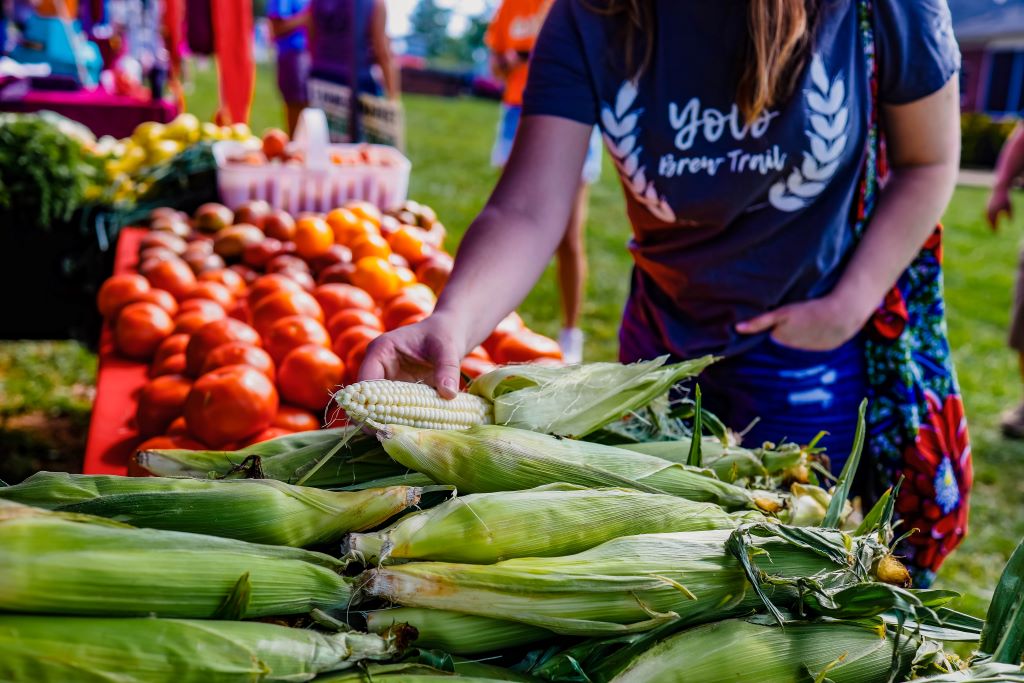
Every year, as the weather shifts and nature unveils its bounty, communities across the country come alive with seasonal farmers markets and local food events. These vibrant gatherings offer more than just fresh produce. They’re cultural experiences that connect people with their food, their farmers, and their neighbors.
Why Seasonal Farmers Markets Matter More Than Ever
In 2024, the U.S. Department of Agriculture reported over 8,000 active farmers markets nationwide, a 15% increase from a decade ago. This trend reflects a growing demand for sustainable, locally grown food. At the heart of it lies consumer trust—shoppers want to know where their food comes from and how it’s grown.
Farmers markets give consumers direct access to that information. You can talk to the growers, understand their practices, and make informed decisions. This transparency helps reduce food miles, supports eco-friendly farming, and boosts local economies.
The Local Food Movement and Its Rising Popularity
The local food movement has gained momentum with the rise of food awareness, environmental concerns, and the need for healthier lifestyles. According to Statista, over 76% of Americans prefer to buy local when given the option. That preference is fueling growth in community-supported agriculture (CSA) programs and food festivals celebrating regional cuisine.
These events often go beyond vegetables. You’ll find pasture-raised meats, artisanal cheeses, homemade jams, and farm-baked breads. These aren’t just transactions—they’re meaningful interactions with the people who nourish your community.
What Makes Seasonal Markets and Events Unique?
Each season brings a distinct flavor to the table. Spring markets overflow with tender greens, radishes, and asparagus. Summer introduces juicy tomatoes, berries, and sweet corn. Fall brings pumpkins, apples, and hearty root vegetables. Winter markets, though smaller, offer preserved goods, meats, and handmade crafts.
Local food events often coincide with these seasonal transitions. For example:
- The Tomato Festival in Sacramento draws thousands during peak summer harvest.
- The Vermont Maple Festival celebrates early spring with syrup tastings and sugarhouse tours.
- Portland’s Winter Light Market features hot cider, smoked meats, and fire-roasted seasonal fare.
These celebrations aren’t just fun—they preserve culinary heritage and educate the next generation about seasonal eating.
Real Benefits You Can Taste—and Feel
Eating locally and seasonally isn’t just trendy—it’s scientifically backed. The Harvard School of Public Health emphasizes that produce eaten soon after harvest retains more nutrients. In contrast, imported or out-of-season items often lose nutritional value during storage and transport.
Additionally, local food has a lower carbon footprint. A report from the National Resources Defense Council shows that conventional produce travels an average of 1,500 miles from farm to plate. Buying locally slashes those miles and reduces emissions.
Moreover, spending money at local food events keeps dollars in your community. Studies show that for every $100 spent at a local business, $68 stays in the local economy—versus just $43 at national chains.
How to Find Seasonal Farmers Markets and Local Food Events Near You
Here’s how to uncover the best seasonal farmers markets and local food events near you:
- Visit LocalHarvest.org – This trusted directory lists markets, CSAs, and food festivals by zip code.
- Check Your Local Extension Office – Many counties offer seasonal calendars of market events.
- Follow Social Media Pages – Local farms and markets frequently update their offerings and event details.
- Download Farm Market Apps – Apps like Farmstand and MarketMaker are excellent tools for real-time listings.
Look for events that feature chef demos, live music, or hands-on workshops. These additions create a festive environment and keep families engaged.

Popular Markets and Events to Explore
Here are a few standout examples across the country:
- Dane County Farmers Market (Madison, WI): The largest producer-only market in the U.S.
- Santa Monica Farmers Market (CA): Famed for its chef clientele and year-round offerings.
- Taste of Chicago (IL): Combines seasonal produce vendors with world-class food trucks and local restaurants.
- Georgia Peach Festival: Home to the world’s largest peach cobbler and showcases Georgia’s finest stone fruits.
These markets not only provide food but also reflect the region’s culture, climate, and community pride.
Overcoming Barriers to Access
Not every community has the same access to fresh, local food. However, programs like SNAP, WIC, and “Double Up Food Bucks” make markets more inclusive. In fact, over 50% of U.S. farmers markets now accept SNAP benefits, making them accessible to lower-income families.
Some local governments even subsidize market produce through voucher programs or senior market nutrition initiatives. These programs aim to reduce food insecurity and improve public health outcomes, especially in urban food deserts.
The Role of Volunteers and Local Leaders
Behind every successful seasonal market is a team of passionate individuals. Volunteers help with setup, promotions, and educational programs. Local chefs often partner with farmers for cooking demos or “farm-to-table” meals. School groups participate in harvest-themed events, planting seeds of curiosity in young minds.
This sense of ownership and collaboration turns a basic market into a community cornerstone.
FAQs About Seasonal Farmers Markets and Local Food Events Near You
- How do I find seasonal farmers markets near me?
Use tools like LocalHarvest.org or your county extension’s website for updated listings. - What months are best for visiting farmers markets?
Spring through fall is peak season. However, some areas host winter markets with baked goods, meats, and preserved items. - Can I use food stamps at local markets?
Yes, many accept EBT/SNAP, and some offer matching dollar programs to increase purchasing power. - Are local food events kid-friendly?
Absolutely. Many offer petting zoos, cooking demos, scavenger hunts, and crafts for children. - Is produce at farmers markets organic?
Not always. Ask vendors directly. Many follow organic practices without formal certification. - Are prices higher at seasonal markets?
Not necessarily. While artisan items may cost more, fresh produce is often competitively priced, especially in-season. - What should I bring to a farmers market?
Reusable bags, small bills or tokens, a cooler if buying perishables, and your appetite for discovery.
Final Thought
Seasonal farmers markets and local food events near you aren’t just places to buy groceries—they’re gateways to a healthier, more connected lifestyle. They offer a feast for the senses, real nutrition for your body, and vital support for your local economy. In an age where food origins are increasingly scrutinized, these markets deliver authenticity, flavor, and community in one visit.
Don’t just shop—experience your food. Whether you’re a seasoned locavore or a curious newcomer, step into your local market this season and savor what your region has to offer.
Read More:
How to Style Pastel Colors for Autumn: Embrace the Soft Hues of Fall