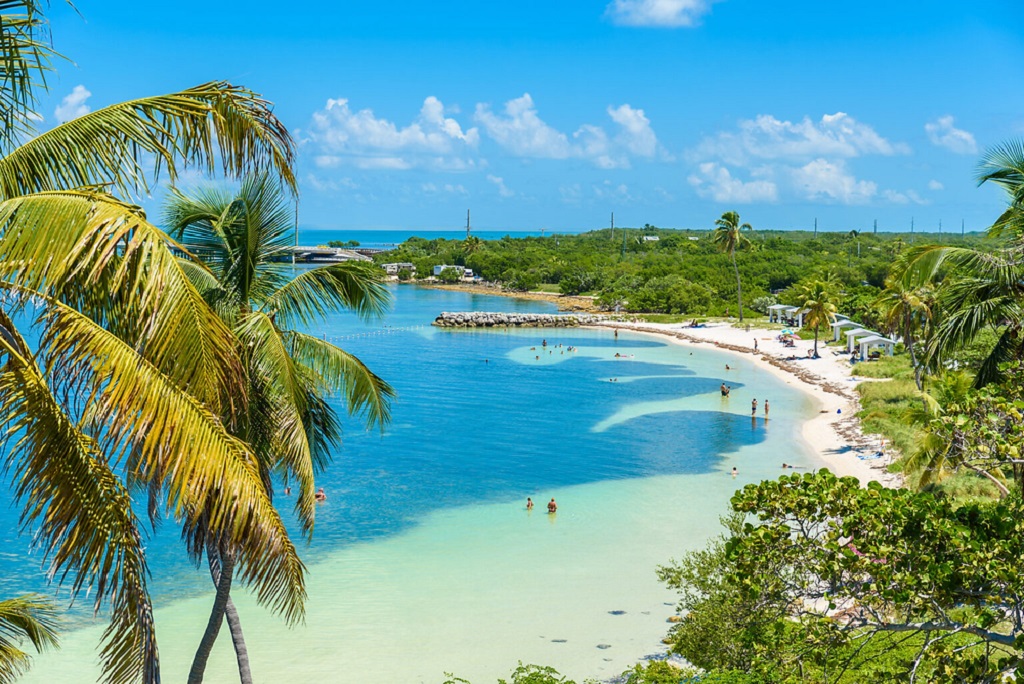
Camping in Florida is not like camping anywhere else in the United States. You are dealing with relentless humidity, sudden afternoon thunderstorms, and temperatures that often demand layers even in winter. When you are searching for the right backpack for women camping in fl, you cannot simply grab the same pack you would use in Colorado or California. The equipment must be lighter, more breathable, and more weather-resistant to handle the subtropical climate. This guide breaks down exactly what features matter most, how to get a proper fit, and what capacity you realistically need for a Florida trail or beachfront campsite.
Key Takeaways
- Florida’s humidity and heat make ventilated backpanel designs and moisture-wicking materials non-negotiable for comfort.
- For weekend trips, stick to a 40-50 liter pack; for longer treks, consider 55-65 liters but only if you need the extra space.
- Your torso length, not your height, determines the correct backpack size; a poorly fitted hip belt places all weight on your shoulders.
- Look for packs made with weather-resistant fabrics and rain covers, as sudden downpours are a constant risk in Florida.
- Internal frames are the better choice for most women because they hug the body and keep the load stable on uneven terrain.
Why a Standard Hiking Backpack Fails in Florida
The biggest mistake female campers make is using a unisex or male-oriented pack. These models are often built wider in the shoulder and torso, which causes the hip belt to sit incorrectly on a woman’s body. But beyond gender differences, the Florida environment presents a specific challenge: moisture. The average relative humidity in Florida often exceeds 75% in summer months. That means your back will sweat heavily within minutes of putting on the pack. A standard nylon pack with a flat back panel traps heat and turns your torso into a swamp.
Furthermore, heavy-duty fabrics used in winter packs become uncomfortable and unnecessary in this climate. The right choice is a lightweight yet durable pack that prioritizes airflow, like those made with mesh suspension systems. Additionally, you need to consider that Florida soil is often sandy, and your pack will inevitably hit the ground. Look for reinforced bottom panels that resist abrasion.
Key Features for a Florida-Specific Backpack
When evaluating your next backpack, focus on specific design features that directly address Florida’s unique terrain and weather patterns. Here is what separates a good pack from a great one in the Sunshine State.
Ventilated Backpanel and Airflow
Your back needs space between the pack and your body to allow air circulation. Curved, trampoline-style back panels are the gold standard. They create a gap that lets heat escape and prevents fabric from sitting directly against your skin. A pack that lacks this feature will leave your t-shirt soaked within the first mile, increasing the risk of chafing and general misery.
Weather Resistance and Rain Covers
Florida is known for its “pop-up” thunderstorms that appear with little warning. Your pack should either be made from a waterproof fabric or come with an integrated, stowable rain cover. Some lightweight packs use a water-resistant coating on the outside, but the zippers are often the weak point. If you camp frequently, consider buying a pack with sealed seams or budget for a dry bag liner for your clothes. My personal policy is to always use a pack liner, regardless of the pack’s fabric.
Hip Belt and Load Transfer
A well-designed women’s hip belt is contoured to sit over the curve of the hip. It should transfer about 80% of the total weight from your shoulders to your pelvis. Look for belts with firm padding that wraps around your hip, not just resting on top. In Florida, you will likely wear the pack with less clothing, so the belt must be smooth to prevent skin irritation. Adjustable sternum straps and load-lifter straps are essential for fine-tuning the fit during a long hike.
Sizing: How to Measure Torso Length
Many women shop based on their height or weight, but this is generally incorrect. Backpack sizes are determined by your torso length, which is measured from the C7 vertebra (the bony bump at the base of your neck) to your iliac crest (the top of your hip bone). This measurement tells you your size: Small (14-17 inches), Medium (16-19 inches), or Large (18-21 inches).
Here is a step-by-step method to get it right:
- Tilt your head forward and find the prominent bone at the base of your neck.
- Place your hands on your hips with your thumbs pointing backward; find the top of your hip bones.
- Ask a friend to measure the distance between those two points along your spine.
Use that number to select the pack size. Most quality brands publish their specific measurements on the product page. Do not guess—an oversized torso will cause the hip belt to sag, and a too-small pack will pull your shoulders backward.
The Impact of Pack Weight
Base weight matters more in Florida than anywhere else known for intense heat. The heavier the pack, the slower you walk, and the more energy you burn in the heat. I recommend keeping your base weight under 15 pounds. Since Florida does not require bulky winter sleeping bags or heavy down jackets, this is highly achievable even on a budget. Many hikers move to a 35-liter to 45-liter pack simply to prevent the temptation of packing too much.
Capacity: What Size is Right for Your Trip?
Your trip duration dictates the liter size, but Florida’s warm climate allows you to pack lighter than you would in colder regions. You do not need to carry a -20 degree sleeping bag or a huge stove, so you can often downsize your pack.
| Trip Duration | Capacity (Liters) | Example Load |
|---|---|---|
| Overnight (1-2 days) | 30 – 40 L | Tent, sleeping bag, pad, stove, food for 2 days |
| Weekend (3-4 days) | 40 – 50 L | Extra clothes, more food, water purification |
| Weeklong (5+ days) | 50 – 65 L | Resupply points, more fuel, maybe a book or device |
As a general rule, resist the urge to buy a 70-liter pack unless you are doing serious remote expeditions. A larger pack simply encourages you to carry more weight, which becomes burdensome in Florida’s humidity. You can always get a compression sack for a multi-day trek.
Internal vs. External Frames
Internal frames are the standard modern choice for almost all camping. They sit closer to the back, feel lighter, and allow for better weight distribution during scrambling or uneven hiking. External frames used to be popular for heavy loads, but they are tall and awkward in brush. For Florida, internal frames are strictly the better choice because they keep the load stable when you traverse sandy hills or boardwalks.
If you are exploring different options, you can find valuable comparisons and deeper analysis of the best gear in this backpack for women camping in fl guide, which examines popular models with specific attention to heat management and breathability—qualities that make or break a Florida trip.
Material and Durability Considerations
Fabric Weight and Denier Rating
The denier (D) rating tells you the thickness of the fabric. 600D polyester is quite durable and can withstand dragging on rocks. 100D nylon is softer and lighter but less abrasion-resistant. Because Florida has sandy trails that can be rough, I suggest a pack made with at least 210D fabric on the main body and 420D on the bottom. This prevents leaks and tears if you set the pack down on a gravelly campsite.
Waterproofing and Lining
The terrain can be muddy and wet, so a pack that has a separate bottom compartment with a waterproof liner is beneficial. Many packs now incorporate built-in rain covers located in a dedicated compartment at the bottom of the pack. You can deploy the cover quickly without removing the pack, which is crucial when a storm hits. I always recommend carrying a silenced DWR treatment (Durable Water Repellent) spray to restore the coating after extended use.
Fit and Comfort: The “Real” Test
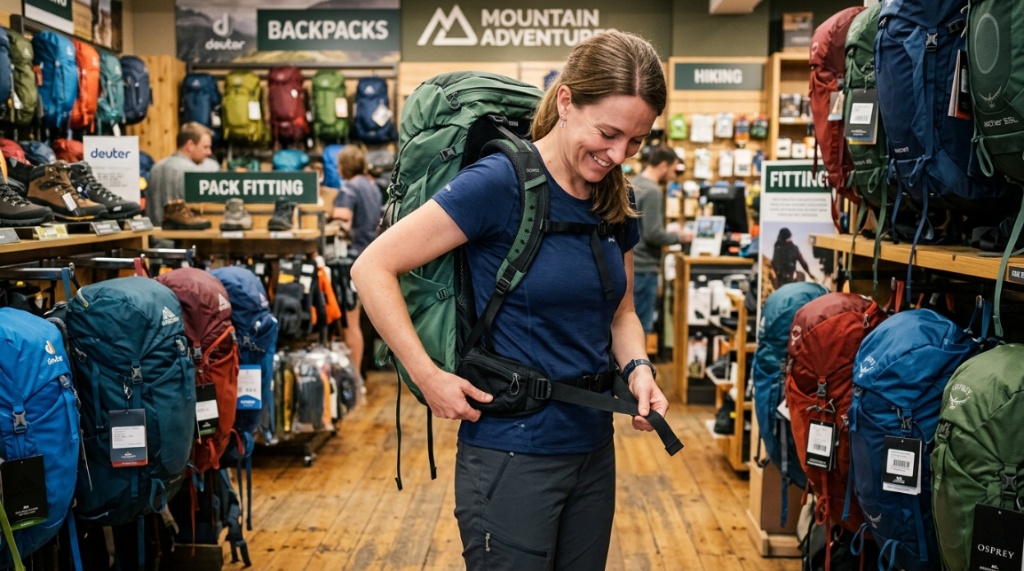
Reading reviews is useful, but nothing beats trying on a pack with weight. Go to a local store, place a 20-pound sandbag in the pack, and walk around for at least 20 minutes. Check pressure points. The hip belt should sit snugly on your hip bones, not above them, and the shoulder straps should wrap your shoulders without pressure spaces. If you cannot try it physically, order two sizes and test at home. Proper fit is non-negotiable for avoiding shoulder pain and back strain.
Women-Specific Geometry
Women’s packs typically have narrower shoulder straps, a shorter torso length, and a hip belt that flares inward. This design accommodates a smaller shoulder frame and typically guides the straps to avoid digging into the neck area. If you have a shorter torso (under 16 inches), look for packs labeled “extra small” or “petite” if available. These packs place the hip belt at the right place so you can use the load-lifter straps effectively.
Common Mistakes When Buying a Florida Camping Backpack
- Choosing a pack without a rain cover: You will get caught in the rain in Florida eventually.
- Ignoring the hip belt padding: A thin belt will dig into your hip when you carry more than 20 pounds.
- Buying too large: A 60L pack is overkill for a weekend and prevents proper load compression, leading to a shifting load.
- Using a pack that is too dark in color: Dark colors absorb heat, making the pack hotter on your back. Lighter colors reflect light but are harder to keep clean—find a balance.
Frequently Asked Questions
What is the best backpack capacity for a weekend trip in Florida?
For a standard weekend trip (2-3 days), choose a pack between 40 and 50 liters. This size comfortably fits a sleeping bag, tent, stove, and food for 2 days while still keeping the total weight manageable. In Florida’s heat, avoid carrying extra gear you don’t need.
Can I use a daypack for overnight camping in Florida?
Only if the daypack is at least 30 liters and has an internal frame. On a 10-15 pound load, a simple daypack may be sufficient for ultralight campers. However, most overnight trips require a tent or bivy and a sleeping pad that will not fit in a 25-liter pack.
How important is the waterproofing of the backpack?
Waterproofing is extremely important in Florida. The frequent rain and flood-prone trails mean your pack must be protected. Even if the fabric is treated, you should use a dry bag liner for your clothes, because zippers are often the weakest point under heavy rain.
Does a women’s pack make a significant difference?
Yes. Women’s packs are shorter in the torso and have specially shaped straps that don’t dig into the neck or armpits. If you buy a unisex pack, check the torso measurements carefully. A unisex small size often fits women better than a men’s medium, but it depends on your shoulder width.
What is the ideal total weight of a filled backpack?
For most women, the total base weight (with food and water) should be under 20% of your body weight. If you weigh 150 pounds, aim for a total pack weight of no more than 30 pounds. In Florida, even less is better due to the heat, so try to keep the base weight around 15 pounds.
Conclusion
Choosing the right pack for camping in Florida is about adapting to the environment rather than sticking to general hiking gear. Prioritize ventilation, lightweight materials, and a proper women’s fit. Remember to measure your torso, choose the appropriate capacity, and invest in a pack with a rain cover. The correct backpack allows you to enjoy the stunning springs, dense forests, and coastal trails without physical strain. By focusing on these specific technical attributes, you’ll be set for a comfortable and rewarding trip, no matter how sudden the rain may fall.