How to plan for a food safety audit?

If you are committed to the food safety standards of your food business, then you should consider how best to plan for a food safety audit. An audit is an important part of transparency and assurance that safety standards are being met. There are some good reasons why food businesses should engage in regular audits and these include:

  • An audit is a necessary part of becoming certified to a particular recognised standard. For more details on the benefits of a BRC Audit, visit https://mqmconsulting.co.uk/services/brc-audit-global-standards-consultancy/
  • Audits are a good way to evaluate the priorities of the management and the functioning of the management systems in place.
  • To help establish commercial objectives for the business.
  • To evaluate supplier needs and those of the consumer.
  • To meet contractual or regulatory stipulations
  • To avoid incidents that may have occurred at other facilities of the business.

Image credit

There is also room for improvement and growth, no matter whether many audits have taken place in the past or if this is a first for the business. An audit doesn’t have to be simply for certification, although this is beneficial, but it can be about driving motivation and value inside the company.

The global nature of the food industry means that supply chains are becoming increasingly complex. There is therefore a greater need for standardised approaches and internationally accepted processes to ensure safety.

There are different types of audit –

  1. First Party – this is a self-assessment that an organisation carries out to check internal processes and strategies. It is a useful exercise to evaluate business objectives and set standards.
  2. Second Party – this type of audit involves an organisation coming in to evaluate a business’ performance.
  3. Third Party – these audits are conducted by independent auditors from outside the organisation and are normally carried out to gain certification from a recognised industry body.

Planning is the first step when preparing for an audit. A main objective should be identified – perhaps management systems or a specific product line. What areas will be looked at? Will it be a focused audit, a random spot check or an in depth root cause analysis of an entire department, for example.

Audits are a great time to develop improved communication within the business. Exploring viewpoints and speaking to employees is an opportunity to promote an atmosphere of ownership and to foster a culture of food safety awareness.


Image credit

Preparing for an audit can reveal areas of non-compliance and/or outdated practices. One major factor to consider is the financial cost of rectifying any identified issues. Such costs can be tough to manage, however, not all measures might be costly to fix. Some non-compliance could be easily managed with greater communication between teams before expensive actions like retraining or purchasing equipment are implemented.

The benefits of a food safety audit are many. They are great for looking at real-time information and problems that are affecting the business right now. Audits can be a proactive experience and not merely reflective or reactive.
4 Magnificent Types of Gin Tasting Events

Are you a fan of gin? The popular alcoholic beverage possibly dates back to the Middle Ages and a distilled beverage known as “genever,” according to The Manual. Gin mostly gets its flavour from juniper berries. One of the most exciting ways to enjoy alcoholic drinks is through gin tasting events. These events are similar to wine tasting and can include several types,  including the following:

Distillery Tour

It’s easier to appreciate your favourite alcoholic drink when you learn how it’s made. A distillery guided tour can provide that information. It also features alcoholic drinks like gins, whiskey, and vodka.

The specific process for making particular alcoholic drinks like gin is unique from other drinks. Thus, it’s a plus when you can learn about how the beverages are produced.

The tour might be followed by tasting, which gives you a chance to experience different gin types. It’s a practical event, for you can have a better appreciation for the alcohol-producing process after the tour.

One of the caveats of this event is there will likely be a tour capacity. So it’s essential to make your reservation for a guided tour as early as possible. Doing so will help to guarantee that you can participate in the tour on a particular day.

If you’re giving the tour as a gift,  it’s essential to book for the tour early to secure a particular date you need.

Guided Tasting

This event involves learning about different topics, including gin’s history, how it’s produced, and how a particular distillery produces gin.

This tasting event is different since gin-tasting experts lead it. You’ll likely have the chance to taste premium gins and special botanicals that a distillery produces. It’s all valuable information for fans of the alcoholic beverage.

This type of tasting event is different since gin gurus guide it. Gin types tasted are premium blends or those you might not usually buy due to the high cost.

As always make sure to learn about the tasting’s capacity. This type of event will likely have a lower capacity than regular tasting events.

Bar Reservations 

Bar reservations provide a comfy setting to enjoy a wide range of alcoholic drinks like gins, and bar snacks like peanuts. These events typically include a bar credit and time limit that allow you to order drinks like cocktails that contain gin.

These events might also include table service. This service s a special one that creates a more relaxing environment than sitting on a bar stool, for example. You can enjoy a wide range of different drinks and snacks.

Gin-making Class

These classes often include features like the history of gin. This includes the history of gin globally and locally in Australia. The info can help to provide a better appreciation for gin after learning some basics about its history.

The main feature of the class is producing your own gin. This could include teaching how to select and combine botanical distillates to create your own customized gin. You can then take the gin bottles home and enjoy the DIY spirits that you created yourself.

There are many types of gin tasting events you can experience. They include distillery tours, bar reservations, and gin-making class. Regardless of the one your pick it will help you to appreciate and enjoy the alcoholic beverage that was invented up to a thousand years ago.

Is couscous gluten-free? Gluten-free couscous recipe

Today we bring you a gluten free couscous recipe in which the main ingredient is a bit difficult to find gluten-free, and that we had not tried until now. We are talking about Cous Cous or couscous, a traditional Berber dish made from wheat semolina, so to be suitable for a gluten-free diet, it must be precooked corn flour.

Is couscous gluten free?

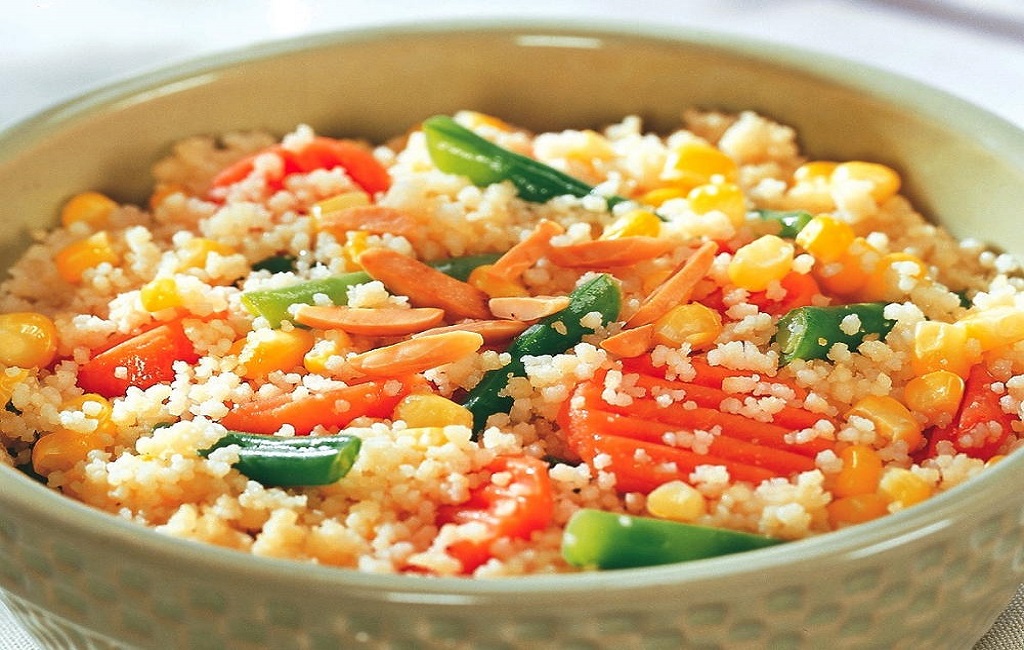
By following the recipe, you can make gluten free couscous. There are numerous ways to prepare it. We liked the idea of ​​preparing it with vegetables, raisins, and chicken, with a sweet touch, and eating it warm. To make this gluten-free recipe, you will need:

  • Couscous
  • The vegetables you like the most or have at home are cut into brunoise (into small cubes of the same size). We use green pepper, red pepper, garlic, onion, and zucchini. You can also use pumpkin, yellow pepper, leek, eggplant, etc.
  • Chicken or vegetable broth (we use chicken broth).
  • Chicken, also diced.
  • Raisins (previously hydrated).
  • Coriander or parsley.
  • Almonds
  • Olive oil.
  • Salt and pepper.
  • Spices: curry, cinnamon, cumin, and ginger.

…And get to work!

We start by making a sauce. We fry the vegetables we have chosen with a little oil (about 3 tablespoons) in a large frying pan or saucepan. We add a little salt, pepper, a teaspoon of honey, and the rest of the spices to taste, and we stir everything so that the flavors are integrated. We do not want them to poach a lot. It is interesting to leave it al dente a bit.

In a separate pan, brown the chicken with a little salt and pepper, and once it is to your liking, add it to the sauce. After a few minutes, we add the raisins to the sauce, which we have previously soaked to soften, and cook for a few more minutes. Then, we remove it from the fire.

Once we have the sauce, we begin with the preparation of the couscous. To do this, we have to add the same amount of liquid as couscous. For about 4 people, 250 ml of broth and 250 grams of couscous are recommended. Heat the broth in a saucepan until it starts to boil.

Meanwhile, we weigh 250 grams of couscous. And when the broth begins to boil, remove it from the heat and add the couscous, and leave it to hydrate for 3 minutes covered. After 3 minutes, we add a tablespoon of butter or margarine, and with a fork, we will separate the couscous so that it does not cake and remain loose.

And all that remains is to add the couscous to the stir-fry of vegetables and raisins and mix well. We chop a little fresh coriander, previously washed, and the chopped almonds to finish our gluten-free recipe and sprinkle it on top. For plating, an idea can be, for example, with the help of a glass or mold.

Gluten-free couscous with vegetables and chicken curry

Ingredients (for two people):

  • 4 boneless chicken thighs.
  • Half a large zucchini.
  • A carrot.
  • Half a medium red pepper.
  • 150 g. gluten-free couscous Schär.
  • 300 ml. of water.
  • A large onion.
  • 150 ml. of white wine.
  • 250 ml. of evaporated milk.
  • Extra virgin olive oil.
  • Gluten-free curry. Both the Jauja and DANI brands are gluten-free.

Preparation:

  • Cut the chicken into cubes, fry it in the pan until it is very well browned, season and reserve.
  • Cut the carrot and pepper into cubes and fry until they begin to soften.
  • Add the zucchini cut into cubes and continue to fry until the zucchini is done.
  • Put the 300 ml in the pan. of water and let it boil for a few minutes.
  • When the water has reduced to half, add a pinch of salt, add the couscous, and spread well throughout the pan.
  • Lower the heat to a minimum and let it rest for 2 minutes.
  • Add a splash of olive oil and stir from time to time for the next 3 minutes.
  • Remove the couscous from the heat and reserve.
  • Chop the onion as small as possible and fry with the help of a pinch of salt until it has been completely poached.
  • Add between 2 and 4 teaspoons of curry, depending on how strong we want it, and mix well.
  • Add the white wine and boil for 5 minutes to allow the alcohol to evaporate.
  • Add the evaporated milk, mix well, and reduce a little.
  • Pour all the sauce into the blender jar and blend completely. This is the time to try it, to see how the curry goes. If necessary, rectify.
  • Return the sauce to the pan, add the chicken and mix well.
  • Serve and enjoy!

How to cook fish skewers

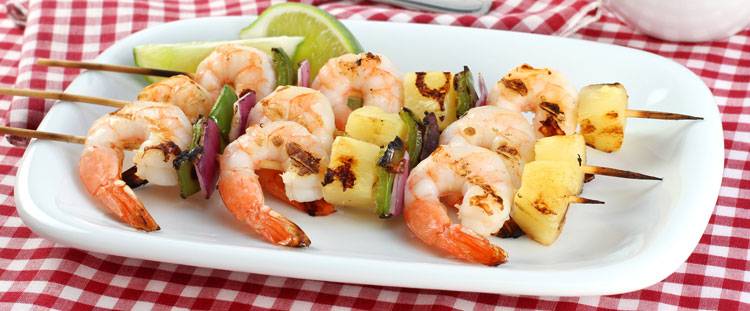
If you have in mind to prepare a fish menu, you can certainly not miss the skewers of the sea, tasty and easy to prepare. They will be perfect to propose on the menu of a dinner with friends or family and you can indulge in their preparation, alternating various types of fish, vegetables and even fruit, such as with fish and pineapple skewers. These skewers are excellent both as an appetizer and as a second course of the sea and you can cook them in the oven, in a pan, on a plate or on a barbecued skewer. Ready to discover many tasty recipes of fish skewers?

How to make homemade tomato sauce

Tomato sauce is a healthy, tasty and nutritious complement to many dishes, as well as an essential ingredient for world-famous recipes. We can all make a tomato sauce since its preparation is very simple. In addition, it has the advantage that it does not lose properties or flavor if you preserve it, so you can make a good amount and store it in jars or freeze it. Follow the instructions that we are going to give you in this UNCOMO recipe and you will know how to make homemade tomato sauce, either for pasta, for pizza or for any other dish.