
5 keys to paint the garage store: colors, materials and inspiration
All those who have their own garage store at home will surely have already realized that it is a great advantage. And also that it does not stop having some drawbacks.

The web's best source of trending topics and news
All those who have their own garage store at home will surely have already realized that it is a great advantage. And also that it does not stop having some drawbacks.

Bathroom Impeccable– The cleanliness of the bathroom is fundamental, among other things more because there live millions of germs and bacteria that cause diseases.

Ten tips and tricks to have a perfect garden. A few simple steps to unleash your neighbors’ envy!
Do you want a perfect garden using bizarre, but above all natural solutions? So do not miss out on our ten tips that will make your plants even more beautiful and healthy!

We don’t spend much time thinking about the humble radiator until something goes wrong. They work tirelessly for us all through winter, keeping us warm and toasty. Made from conductive metals, the main types are mild steel, stainless steel, cast iron and aluminium. They vary in conductivity (the speed at which heat travels through it) and price, so let’s look at the different materials and their benefits:
Cast Iron
These are the radiators that were found in Victorian homes and old libraries for example. They are a remnant of the industrial revolution, look very formidable and are said to be the most efficient. However, when compared to modern materials, they are just as efficient as stainless steel or mild steel. Because cast iron is great for releasing heat slowly, they were ideal for large, cold manors but this is not so much of a need in today’s homes. They remain popular though for their amazing antique period and ability to stay hot for a long time look but note that they are super heavy!

Steel
Steel or mild steel is a popular choice because of its relative cheapness and ability to be shaped into a huge variety of designs and styles. Steel radiators are also available in a wide range of colours, making them a great choice for fitting in with any décor style. They will require a bit of maintenance to avoid rust build-up but make a good choice if you need to purchase multiple units. For column radiators, visit http://apolloradiators.co.uk/designer-radiators/roma-horizontal-steel-column-radiator
Stainless-Steel
Another very popular material choice for radiators, stainless steel radiators are low maintenance and don’t rust. They are a bit more expensive than mild steel but hold their heat excellently. They are also available in an exciting range of weird and wonderful designs, as well as standard, simple and chic styles. Stainless steel makes a solid long-term investment that needs minimal maintenance and will stay warm for a good couple of hours after the heating goes off.
Aluminium
Many consider aluminium to the best material choice for radiators. This is because aluminium is a super-conductor, heating up quickly and spreading that heat faster than other materials. They are highly responsive but also command the highest price. The only downside is that you do need to be careful about dints and dents. Aluminium also represents a solid investment in the long run with cheaper fuel costs and you’ll feel the benefits immediately inside your home.
In conclusion, it’s clear to see how the material you choose effects the performance of a radiator. There is more to consider than the simple aesthetics. Another question to ask before you replace radiators is what will you be using it for? For example, a heated towel rail will serve a bathroom well, but you’ll want something different for the bedroom.
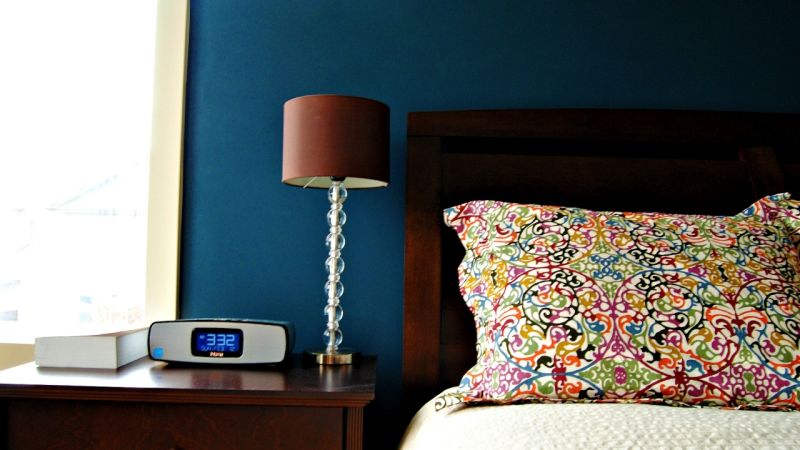
Are you having trouble falling asleep? Have you ever wondered why it is hard for you to sleep? Stress, poor diet, worries, copious dinners and technology are some factors that make it difficult to sleep more and better. But are not the only ones, as you will also need a relaxing bedroom to sleep more and better.
The decoration, the bedding, the mattress and even the temperature of the bedroom are other culprits of our sleep deficit. We help you decorate a relaxing bedroom to sleep more and better.

To most homeowners, they don’t even think about it. The insulation in our walls is so out of sight, out of mind, that it almost becomes invisible. However, it wasn’t for the insulation in your walls, there is a good chance that you would be one solid block of ice. Indeed, the insulation in our homes is vital for keeping us warm, comfortable and safe. Not only that, but it keeps the cold air out and traps the warm air in, which is important when you have the heat blasting and don’t want to waste energy. Not only is a lack of insulation uncomfortable – but it can also be a source of financial waste as well. Here are some ways that you can check your home’s insulation before winter.
Before you start choosing a new furnace for your home or taking other measures to prepare your home for the winter, you want to make sure that you have proper insulation. It’s an essential first step. Without the proper insulation, your furnace won’t be able to do its job correctly – most of the heat will simply escape through the walls. You can usually see with your own eyes the insulation in your attic and sometimes in your basement, but it can be harder to find the insulation in other walls. In order to do this, you need to unscrew phone jacks and electrical plates to get an insider view into your walls.
If it appears that you need more insulation, then you have your answer: your home needs to be re-insulated. However, there may be the case where you find that you have proper insulation, but it is the wrong kind of insulation for your region’s climate. Not only that, but your insulation may not have been properly installed – either because you live in an older home or because of shoddy workmanship. You can usually tell if it is one or the other if you start to notice that certain rooms in your home are colder than others.
When it comes down to it, your insulation should have a proper moisture barrier as well. You can find the moisture barrier by looking for what looks like a sheet of aluminum under the insulation. Also, you want to find out what the R-value of your insulation is. You can do this by spotting any numbers or text on your insulation. The R-value will connote what climatic region your insulation is intended for. If the R-value is wrong or if there is no moisture barrier, you may want to re-insulate.
Lastly, re-insulating can be an easy job, especially in the attic. In most cases, your home only needs to be re-insulated in the attic.
Having the proper insulation in the attic will prevent warm air from escaping. When hot air escapes through the roof, it can not only cool down your home -it can also melt snow and ice on your roof, which can result in water leaks and possibly water damage. So, make sure that you find out the proper R-value for your region and purchase the proper amount of insulation. At the end of the day, you should be re-insulating at the start of the cold season, but if you haven’t already – better late than never.

